



Copyright (tipos de derechos) y royalties

Con
Jay Mistry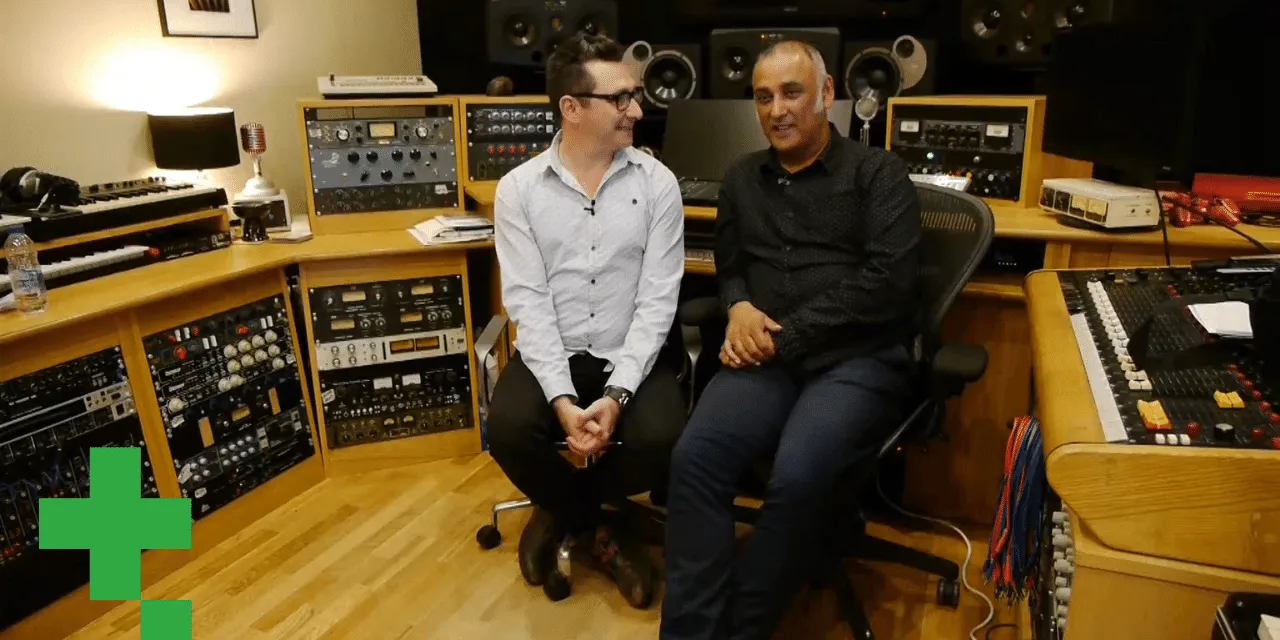
Qué incluye el curso
21 lecciones (4h 21m) · 1 gratis
01. Introducción con Harry Leckstein y Jay Mistry
11:37
02. Una breve historia de la edición musical
6:10
03. Copyright (tipos de derechos) y royalties
Estás aquí11:19
04. Consejos para artistas: cobrar y trabajar con editoriales
15:35
05. Anticipos, exclusividad y tipos de contratos editoriales
14:27
06. Empezar por tu cuenta
3:01
07. El mercado de los videojuegos
2:55
08. Entender los contratos de edición musical
11:51
09. El mundo del Sync
8:23
10. Branding sonoro y qué es un brief. Caso práctico: Ollie Raphael
3:54
11. Descifrador de la jerga del Sync y desmontador de mitos
8:38
12. Entender los roles dentro de la industria de la TV y el cine
11:43
13. Últimos consejos
9:43
01. Entrevista con Ollie Raphael: Delicious Digital y el trabajo con la radio
11:38
02. Entrevista con Dan Mallender (Phase Music) - Música, promos y tráilers para las industrias de TV, radio, cine y videojuegos
16:04
03. Entrevista con Rachel Menzies - Supervisión musical
11:19
04. Entrevista con Richard Ford (Anger Music) - Trabajar con compositores
16:23
05. Entrevista con Stuart Belsham - Descubre la PRS
37:15
06. Entrevista con Alessio Nanni (vía Skype) - Pianista y compositor
15:02
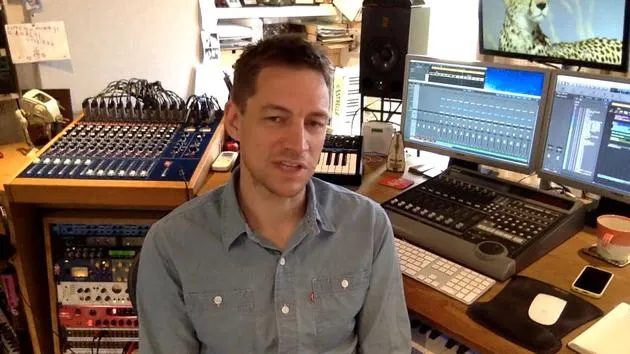
07. Entrevista con Rob Manning (por Skype) - Compositor de cine y TV
15:23

08. Entrevista con Xiaotian Shi (por Skype) - Compositor de cine y TV
18:40
Transcripción de la lección
Understanding Copyright and Royalties in Music
What is Copyright?
Copyright is fundamentally the right to copy. It encompasses:
- The intellectual property rights associated with writing, composing, or creating a work.
- Ownership of the copyright resides with the creator from the moment the work is made, provided it is original.
When you wish to duplicate your work, you can grant rights to others, such as:
- Publishers, who can exploit the music under a publishing deal.
- Record companies, which can record and distribute your music.
When Does Copyright Occur?
Copyright occurs at the moment your work is fixed in some way.
Common Questions:
- Do I need to send a copy of it to myself?
- No, sending a dated copy was a method used pre-digital revolution but is no longer necessary.
- Do I need to register my copyright with a website?
- Not required. Basic electronic dating is sufficient for proof of ownership.
Ownership of Copyright
You retain ownership of your music unless you decide to sell it or assign rights.
- Leasing Copyright: Typically during a publishing deal which lasts for a specific period (e.g., 2-3 years).
- Retention Periods: Some agreements allow for eventual return of rights to the creator.
Types of Rights within Copyright
Two distinct types of rights are inherent in copyright:
- Performance Rights: Usually belong to the publisher or composer.
- Mechanical Rights: Typically owned by a record company or artist.
Distinction Explained:
- If you cover someone else's song, you receive mechanical royalties from that recording.
- If you write and perform your own song, you benefit from performance royalties, which can also come from recordings of that song.
Mechanical vs. Performance Rights
- Mechanical Rights: Link to the recording of a song.
- Performance Rights: Link to the performance of a song.
Importance of Agreements:
When recording in a studio, ensure you have a contract that specifies:
- Your payment for recording.
- Your ownership of the master recording.
Collecting Royalties
Royalties can be collected in several ways:
Types of Royalties:
- Performance Royalties: Generated from live performances, radio play, etc.
- Mechanical Royalties: Collected from sales of physical or digital products.
- Streaming Royalties: For music played on platforms. This is primarily performance-based.
- Sync Licensing: Fees for the use of your music in videos or films.
Sync Licensing
Sync licensing has become increasingly popular because it offers:
- An upfront fee for licensing music.
- Ongoing royalties for each use of the music in TV, film, etc.
Importance of Sync:
As traditional music sales decline, composers and artists look to sync as a profitable avenue. The growth of channels creates opportunities for widespread music use.
Understanding Performance Royalties from TV
With the growth of channels, performance royalties can vary greatly:
- Cue Sheets: Outline which songs are played and are crucial for accurate royalties tracking.
- Licensing: The performance income depends heavily on factors like viewership and whether the use is properly licensed.
Key Points to Remember:
- Not all plays equate to guaranteed royalties.
- Broadcasters negotiate fees based on expected music usage and viewer statistics.
Summary
Understanding copyright and royalties is essential for anyone in the music industry:
- Differentiate between performance and mechanical rights.
- Ensure proper agreements are in place when recording.
- Explore sync licensing as a lucrative alternative revenue stream.
By grasping the mechanics of copyright ownership and royalty collection, you can better navigate the complexities of the music industry.
21 lecciones
4h 21m de lecciones en vídeo estructuradas
Funciones de vídeo avanzadas
Ralentiza, repite un pasaje, sigue la partitura
Móvil, tablet y ordenador
Practica donde quieras
Garantía de satisfacción 100%
30 días de garantía de devolución
Conoce a tu gurú
Conoce a tu gurú
Jay Mistry es un veterano de la industria musical con 30 años de trayectoria y domina la mayoría de los aspectos del negocio de la música.
Jay comenzó su carrera en la Performing Right Society antes de incorporarse a BMG Music Publishing, donde se le pidió que montara el departamento de seguimiento de ingresos desde cero. En 2003 constituyó Musical Sleuth Ltd, el primer servicio independiente de seguimiento de royalties de su clase, que tuvo entre sus clientes a Eric Clapton y The Beatles.
Tras dominar las complejidades del copyright y los royalties, se pidió a Jay que se convirtiera en Director of Music Services en The Discovery Channel en 2009. Su éxito en Discovery llevó a los emprendedores neoyorquinos Jingle Punks a incorporarlo para montar y estabilizar su operación de edición en EE. UU. mientras construían su red global de recaudación. Jay asesora actualmente a una variedad de compositores de alto nivel, bibliotecas musicales, productores de cine, editoriales y plataformas tecnológicas.
En A Guide To Music Publishing And Synchronization, Jay destila tres décadas desde dentro del negocio en una orientación clara y práctica, mostrándote cómo funcionan realmente la edición, el copyright, los royalties y los acuerdos de sync, y cómo hacer que trabajen a tu favor.







