



Entender los contratos de edición musical

Con
Jay MistryJay Mistry repasa los términos clave de un contrato de edición musical - fechas de vigencia, territorio, exclusividad, anticipos, porcentajes de royalties y garantías - usando un acuerdo de ejemplo del Musicians' Union.
Qué incluye el curso
21 lecciones (4h 21m) · 1 gratis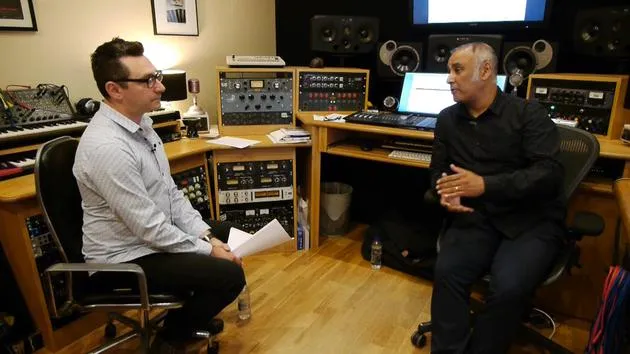
01. Introducción con Harry Leckstein y Jay Mistry
11:37
02. Una breve historia de la edición musical
6:10
03. Copyright (tipos de derechos) y royalties
Lección gratis11:19
04. Consejos para artistas: cobrar y trabajar con editoriales
15:35
05. Anticipos, exclusividad y tipos de contratos editoriales
14:27
06. Empezar por tu cuenta
3:01
07. El mercado de los videojuegos
2:55
08. Entender los contratos de edición musical
Estás aquí11:51
09. El mundo del Sync
8:23
10. Branding sonoro y qué es un brief. Caso práctico: Ollie Raphael
3:54
11. Descifrador de la jerga del Sync y desmontador de mitos
8:38
12. Entender los roles dentro de la industria de la TV y el cine
11:43
13. Últimos consejos
9:43

01. Entrevista con Ollie Raphael: Delicious Digital y el trabajo con la radio
11:38

02. Entrevista con Dan Mallender (Phase Music) - Música, promos y tráilers para las industrias de TV, radio, cine y videojuegos
16:04

03. Entrevista con Rachel Menzies - Supervisión musical
11:19
04. Entrevista con Richard Ford (Anger Music) - Trabajar con compositores
16:23
05. Entrevista con Stuart Belsham - Descubre la PRS
37:15
06. Entrevista con Alessio Nanni (vía Skype) - Pianista y compositor
15:02
07. Entrevista con Rob Manning (por Skype) - Compositor de cine y TV
15:23

08. Entrevista con Xiaotian Shi (por Skype) - Compositor de cine y TV
18:40
Transcripción de la lección
Understanding Publishing Contracts: Key Points for First-Time Reviewers
Okay, so let's start looking at the publishing contract. We're not going to get into a lot of detail or legalese, but rather focus on how someone like you can advise a person seeing a contract for the first time. Here are some important titles and headings to look out for:
Start Date and End Date (Term)
- Importance: Knowing how long you are in the contract is crucial.
- Typical Length: Usually, the term is three years, which allows ample time to produce music and for publishers to collect royalties.
- Caution: Be wary of contracts longer than three years, such as a five-year deal.
Advance Payments
- Structure: Advances can vary based on whether you're a pure songwriter or writing for an artist.
- Option for Advances: Depending on the artist's albums, advances could be:
- Paid annually or segmented (e.g. £50,000 every term).
- Minimum Song Delivery: Exclusivity agreements often include clauses on the number of songs needed per year to qualify for the next advance.
Important Terms and Clauses
Territory
- Nature of Territory: Usually, contracts are worldwide to allow publishers to collect royalties globally.
- Sub-Publishing Deals: These may be limited to specific territories (e.g., France).
- Inquiry: Ask the publisher about their sub-publishing arrangements to ensure global royalty collection.
Exclusivity
- Definition: An exclusive agreement prevents you from working with other publishing companies.
- Importance: Be aware of what you're signing if the contract states it is exclusive.
Repayment of Advances
- Understanding Repayment: Advances function like loans; they are paid back through royalties collected from your works.
- Money Flow: Before receiving additional funds, the publisher will deduct prior advances from your collected royalties.
Commitment
- Minimum Commitment: Expect an agreement on the minimum number of songs you need to create over a certain period (e.g., 10 or 20 songs).
- Quality Control: Publishers look for releases that have been recorded by artists; you can't just write any songs to meet your commitment.
Royalty Rates
- Importance: Understand how much you will earn from the deal.
- Varied Rates:
- Starting rates might be around 50/50 or 70/30.
- Rate adjustments can be made as you gain recognition.
- Differentiation: Different rates apply for various platforms such as film, TV, or the Internet.
Jurisdiction
- Critical Information: Generally found at the end of contracts, specifying the governing law of the agreement (e.g., California or UK law).
- Caution for UK Composers: If signing US contracts, ensure they are governed by UK law unless you have legal support in the US.
Warranties
- Obligations: Like commitments, warranties outline responsibilities on both sides regarding the quality and fulfillment of the contract.
Conclusion
We've covered several key terms in music publishing contracts. For specific examples of different types of contracts, please refer to the course page. Always ensure you understand each aspect of a contract before signing!
21 lecciones
4h 21m de lecciones en vídeo estructuradas
Funciones de vídeo avanzadas
Ralentiza, repite un pasaje, sigue la partitura
Móvil, tablet y ordenador
Practica donde quieras
Garantía de satisfacción 100%
30 días de garantía de devolución
Conoce a tu gurú
Conoce a tu gurú
Jay Mistry es un veterano de la industria musical con 30 años de trayectoria y domina la mayoría de los aspectos del negocio de la música.
Jay comenzó su carrera en la Performing Right Society antes de incorporarse a BMG Music Publishing, donde se le pidió que montara el departamento de seguimiento de ingresos desde cero. En 2003 constituyó Musical Sleuth Ltd, el primer servicio independiente de seguimiento de royalties de su clase, que tuvo entre sus clientes a Eric Clapton y The Beatles.
Tras dominar las complejidades del copyright y los royalties, se pidió a Jay que se convirtiera en Director of Music Services en The Discovery Channel en 2009. Su éxito en Discovery llevó a los emprendedores neoyorquinos Jingle Punks a incorporarlo para montar y estabilizar su operación de edición en EE. UU. mientras construían su red global de recaudación. Jay asesora actualmente a una variedad de compositores de alto nivel, bibliotecas musicales, productores de cine, editoriales y plataformas tecnológicas.
En A Guide To Music Publishing And Synchronization, Jay destila tres décadas desde dentro del negocio en una orientación clara y práctica, mostrándote cómo funcionan realmente la edición, el copyright, los royalties y los acuerdos de sync, y cómo hacer que trabajen a tu favor.







