



Einführung in den Kurs & historischer Kontext
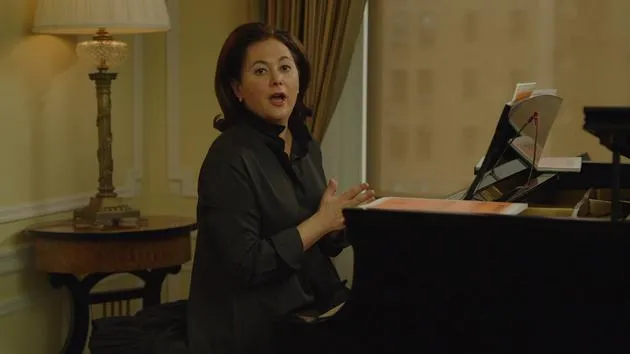
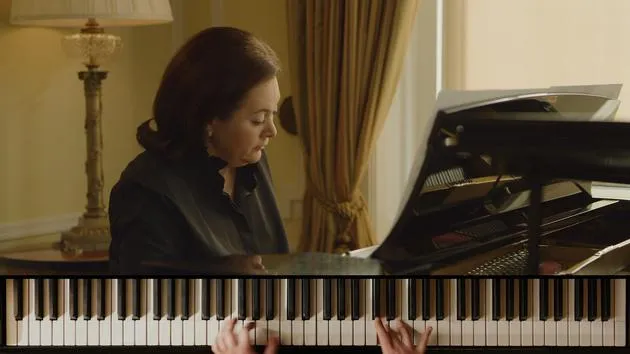
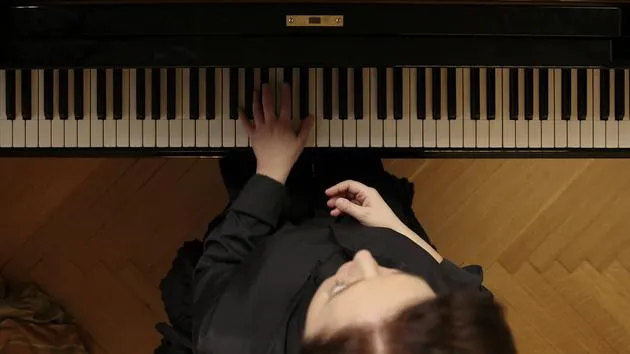
Julia Zilberquit bereitet die Bühne für Tschaikowskys „The Seasons“ und ordnet den Klavierzyklus in seinen historischen Kontext ein, bevor du mit dem Lernen der Stücke beginnst.
Das steckt im Kurs
27 Lektionen (1h 57m) · 1 gratis
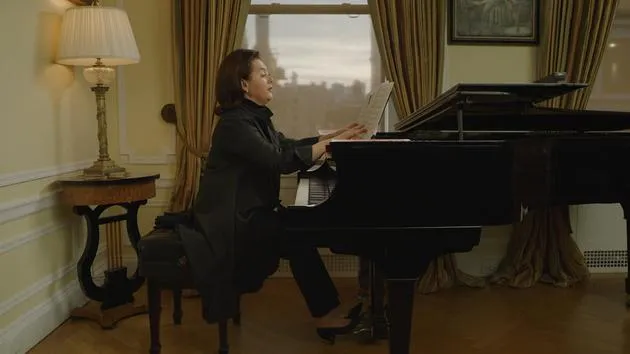
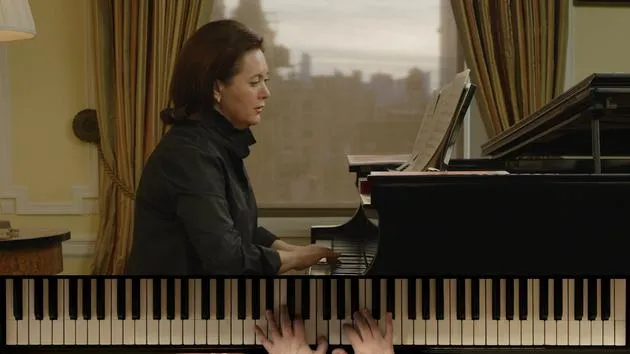
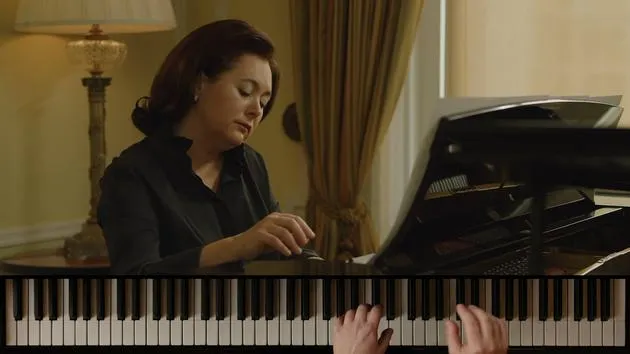
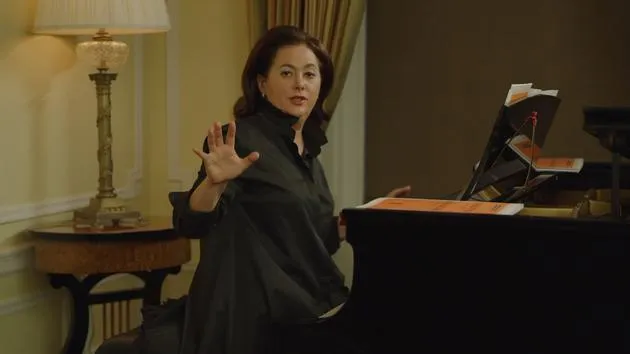
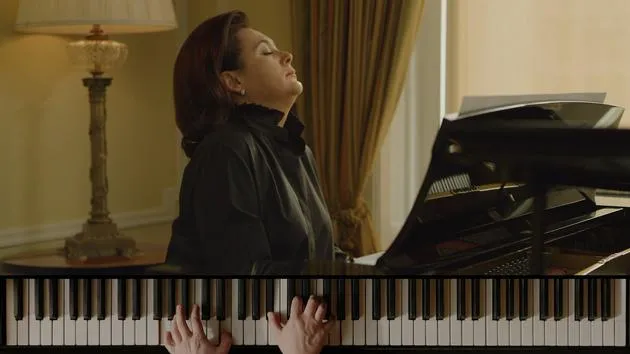
Transkript der Lektion
Discovering Tchaikovsky: The Maestro of Russian Music
Today, we will explore the world of the most respected and loved Russian composer, Pyotr Ilyich Tchaikovsky. I think he is one of the most performed Russian composers in the world. And I don't believe there is a single music lover who does not love and adore his operas, ballets, symphonies, chamber music, and, of course, solo piano music.
The Masterpiece: The Seasons
We will be discussing an absolute gem, a masterpiece from his piano miniatures cycle, The Seasons.
A Pioneering Composer
It's fair to say that not everybody knows that Tchaikovsky was the first Russian professional composer. He was born in 1840. By that time, composers like Bach, Beethoven, and Mozart had already lived their lives and created their masterpieces. But in Russia, as we know, things come later.
The Turning Point: 1861
1861 was a very important year for Russian history.
- Serfdom, or slavery, was abolished.
- Cultural and social growth began.
The outstanding Russian pianist and conductor Anton Rubinstein started music classes in St. Petersburg, initially called the Russian Musical Society. Tchaikovsky was one of the first students there.
In 1862, the Russian Musical Society was officially established. Just a year later, Anton Rubinstein opened the first Russian conservatory in St. Petersburg, and, of course, Tchaikovsky was a student there as well.
The Rise of Conservatories
Four years later, in 1866, Anton's younger brother, Nicholas Rubinstein, who was also a very famous composer, pianist, and conductor, opened the Moscow Conservatory. Tchaikovsky was very friendly with both brothers.
In 1861, a young man named Peter Jurgenson, born in Tallinn, Estonia, of Scandinavian descent, moved to Russia. He was so inspired by Nicholas Rubinstein that he started his own music publishing house.
- He began publishing musical scores and books about music.
- For half a century, it became the main Russian musical publishing house and one of the largest in the world.
Lifelong Friendship and Collaboration
In 1865, after Tchaikovsky graduated from the Conservatory, he and Jurgenson became lifelong friends. Jurgenson served as Tchaikovsky's advisor and confidant for the rest of his life.
After the 1917 October Revolution, the Bolshevik leader Vladimir Lenin nationalized Jurgenson's publishing house by decree, and it became a state publishing house called Musica or Music.
In 2008, the current owner and CEO of the publishing house, Mark Zilberquid, revitalized Peter Jurgenson's legacy, forming a conglomerate with Musica Music and Peter Jurgenson. One of the most important efforts was publishing the complete catalog of Tchaikovsky's works, similar to what KTripletchel did for Mozart.
Editions of The Seasons
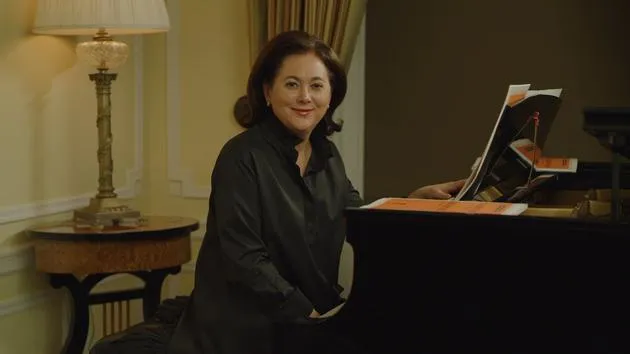
I wanted to show you two editions today of The Seasons that we will be using:
-
First Edition:
- Contains Tchaikovsky's autograph or text for 11 pieces out of 12 (for some reason, the April piece did not survive).
- Includes an article about the creation of the cycle and details about each piece.
-
Second Edition:
- Features fingering options and numerous suggestions for switching hands to aid in learning.
27 Lektionen
1 Std. 57 Min. strukturierte Videolektionen
Erweiterte Videofunktionen
Verlangsamen, Passagen loopen, mitlesen
Handy, Tablet & Desktop
Üben, wo du willst
100 % Zufriedenheitsgarantie
30 Tage Geld-zurück-Garantie
Lern deinen Guru kennen
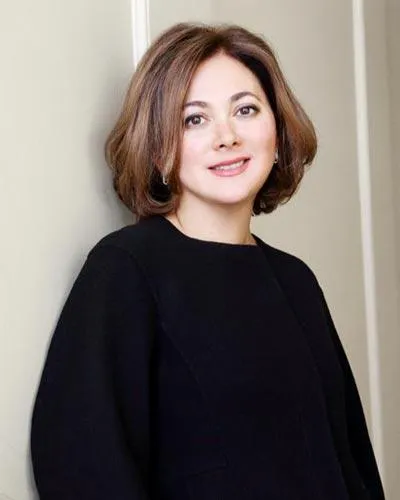
Lern deinen Guru kennen
Die in Russland geborene amerikanische Pianistin Julia Zilberquit hat als Rezitalistin, Kammermusikerin und Aufnahmekünstlerin große Anerkennung von der Kritik erhalten. The New York Times pries sie nach ihrer Aufführung von Cesar Francks sinfonischer Dichtung Les Djinns für Klavier und Orchester mit Leon Botstein und dem American Symphony Orchestra in der Carnegie Hall als "herausragende Solistin".
2014 veröffentlichte Warner Classics ihre CD Bach: Complete Solo Keyboard Concertos. Diese Aufnahme enthält die Erstaufführung zweier Bach-Vivaldi Concerti Grossi, die Frau Zilberquit für Klavier und Orchester bearbeitet hat, und wurde vom renommierten Gramophone Magazine als "herrliche Wiedergabe" gefeiert. Ihre Bearbeitung von Schostakowitschs Concertino für 2 Klaviere, Op. 94 für Klavier und Orchester wurde in der Carnegie Hall uraufgeführt; sie hat es weltweit mit großem kritischen Erfolg aufgeführt und mit Vladimir Spivakov und den Moscow Virtuosi aufgenommen. Zu weiteren Aufnahmen zählt eine Soloeinspielung, The Mystery of Bagatelles, veröffentlicht von Naxos. Die CD wurde von The Washington Post als "hervorragende Darbietung" gelobt und im Londoner Piano Magazine als "kühnes Programm, das mit ungewöhnlicher Klarheit und pointillistischer Leuchtkraft funkelt" beschrieben.
Ihre Rezitale fanden in bedeutenden Konzertsälen statt, darunter die Weill Recital Hall der New Yorker Carnegie Hall, das 92nd Street Y und die Alice Tully Hall im Lincoln Center. Zu ihren Engagements bei großen internationalen Musikfestivals zählen Auftritte in Seattle, Colmar (Frankreich), Klangbogen (Wien), Valery Gergievs "White Nights" (St. Petersburg), Richters "December Nights" (Moskau), "The Palaces of St. Petersburg", das Bard Music Festival in New York und das Penderecki Festival (Polen).
Julia Zilberquit stammt aus Moskau und wurde in eine Musikerfamilie hineingeboren. Sie schloss ihr Studium an der Moscow Gnessin School of Music und an The Juilliard School (Klasse von Bella Davidovich) ab. Sie lebt mit ihrem Mann, ihrem Sohn und ihrer Tochter in New York City.
In diesem Kurs schöpft sie aus dieser Kunstfertigkeit, um dich durch vier Sätze aus Tschaikowskis "Die Jahreszeiten" - März, April, Juni und Oktober - zu führen, damit du ihre Poesie und ihre Farbe am Klavier selbst gestalten kannst.







