



Erster Teil
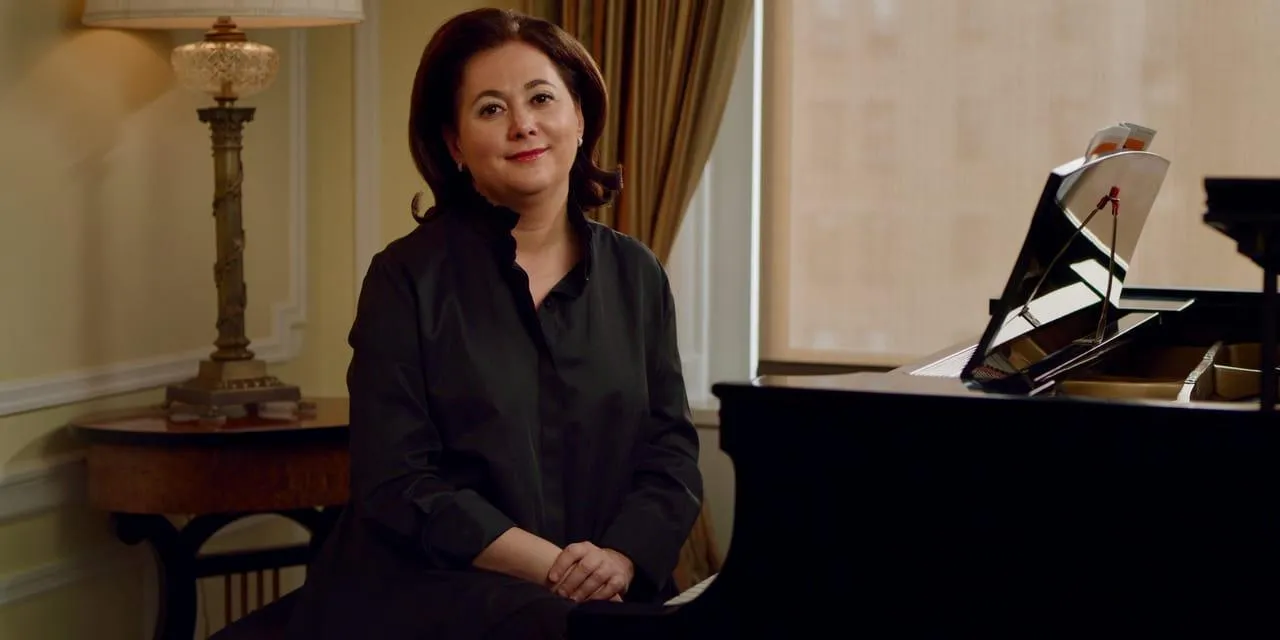
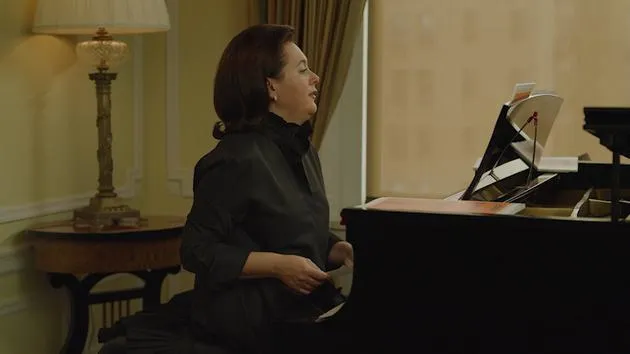
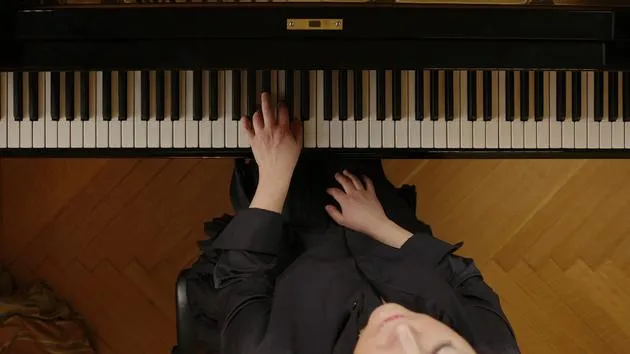
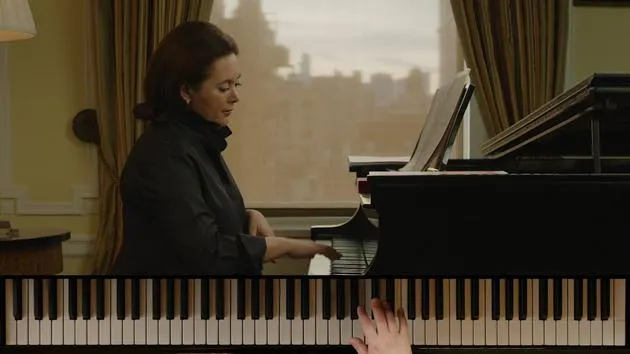
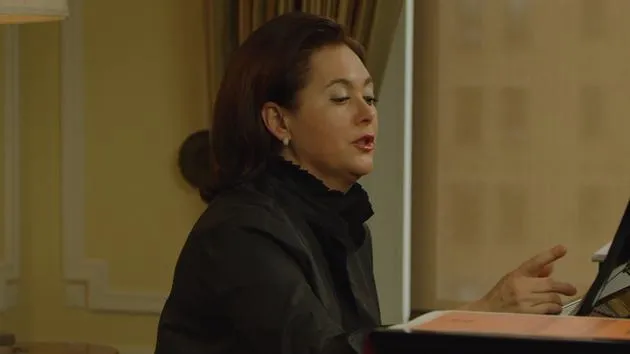
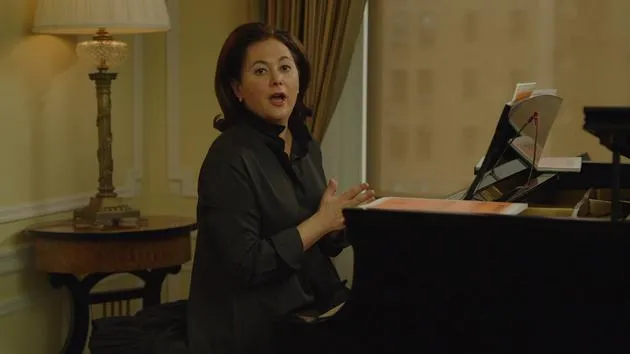
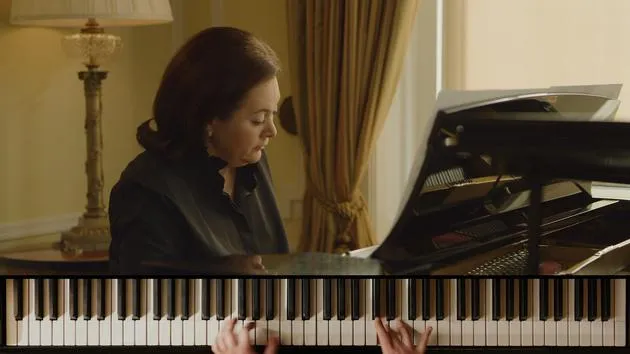
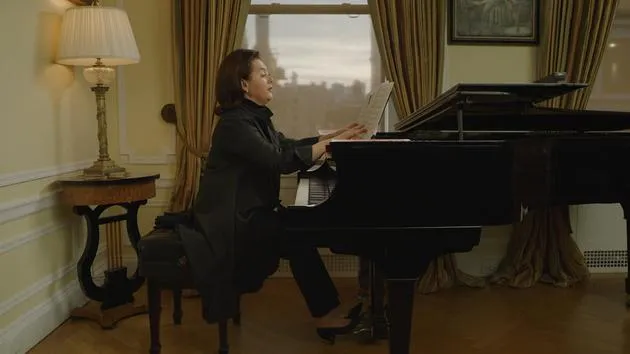
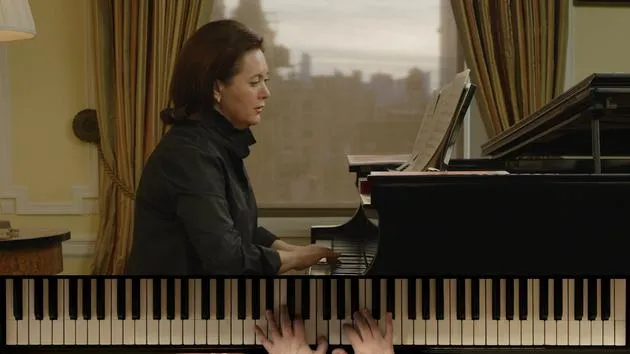
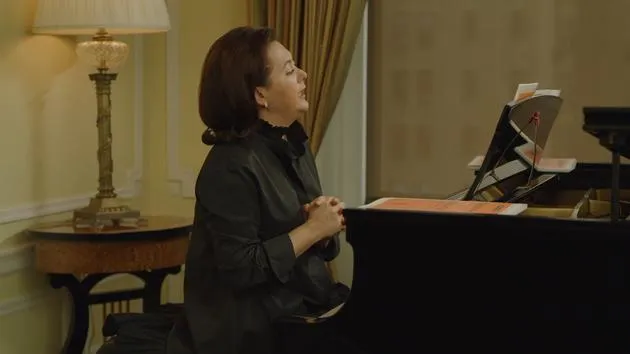
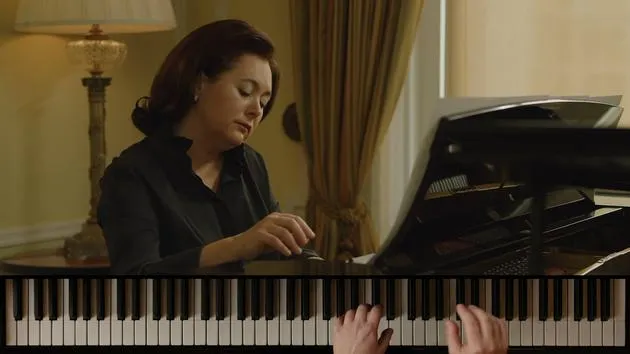
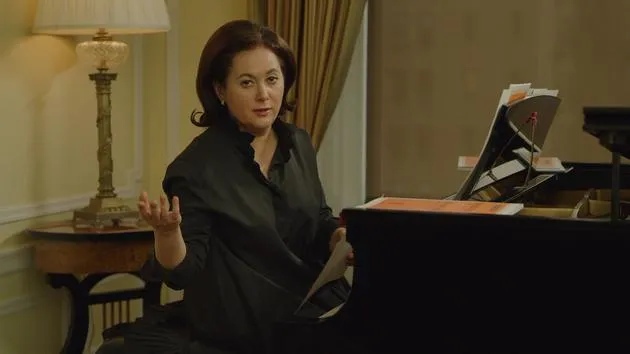
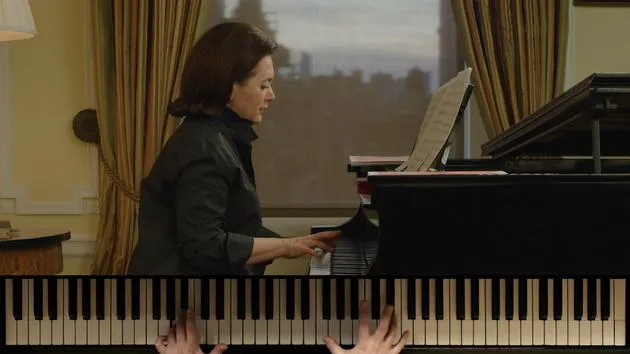
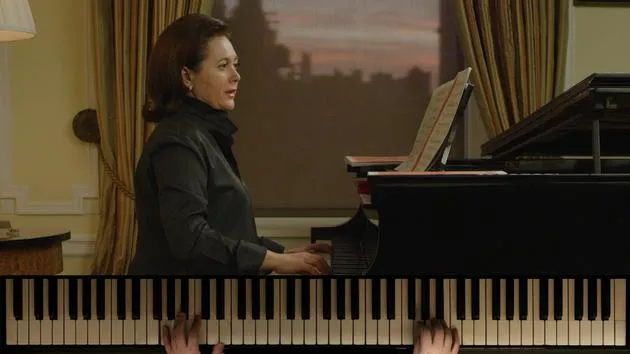
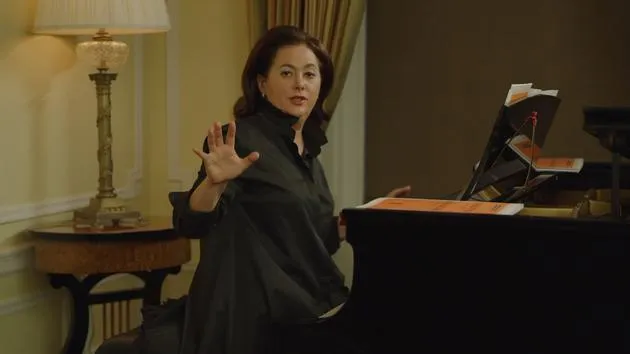
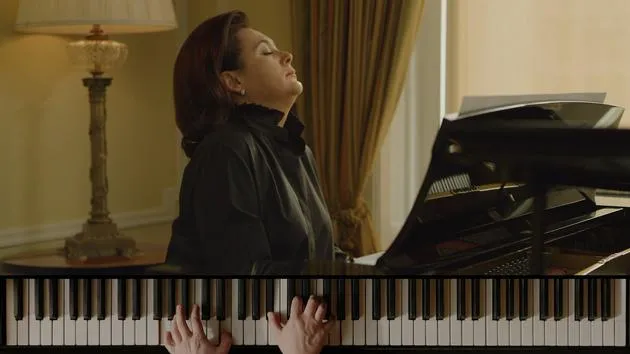
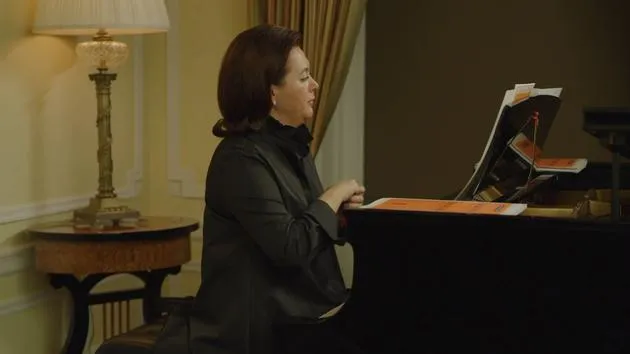
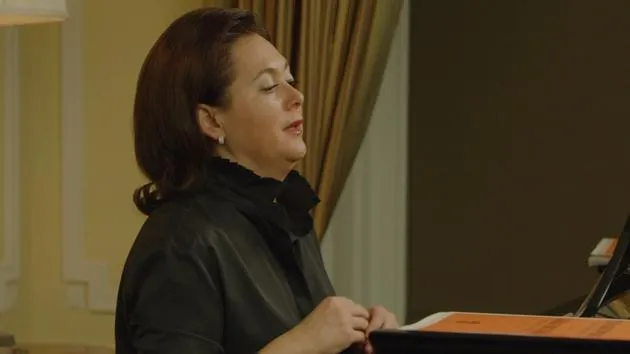
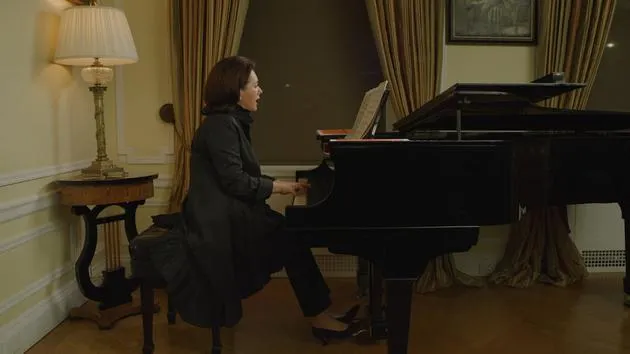
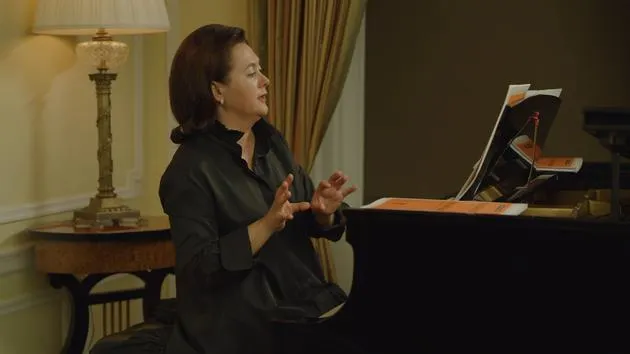
Julia Zilberquit unterrichtet den ersten Teil von Tschaikowskis April: Snowdrop, übt die Hände getrennt und zeigt, wie die linke Hand das Crescendo und Diminuendo trägt.
Das steckt im Kurs
27 Lektionen (1h 57m) · 1 gratis
Transkript der Lektion
Music Lesson
Introduction
I would start also, of course, with the left hand. You know, you could probably see I love doing separate hands. I think it brings a great perspective.
Importance of the Left Hand
There's one very important issue here with the left hand. As you know, the piano is a percussion instrument. Once we hit the sound, all it does is become softer. We cannot make the same crescendo on the sound as a voice can, or on a violin, cello, or wind instrument.
Supporting the Crescendo
So, what we can do is support the crescendo in a lonely right hand by having the left hand really provide this crescendo.
For example:
- We start with piano in the left hand.
- Then we see a crescendo in measures 3, 4, 5 and then diminuendo.
Throughout the piece, the left hand will be the most important part in creating that crescendo and diminuendo.
Technique for Left Hand
Now, regarding the repeating chords in the left hand:
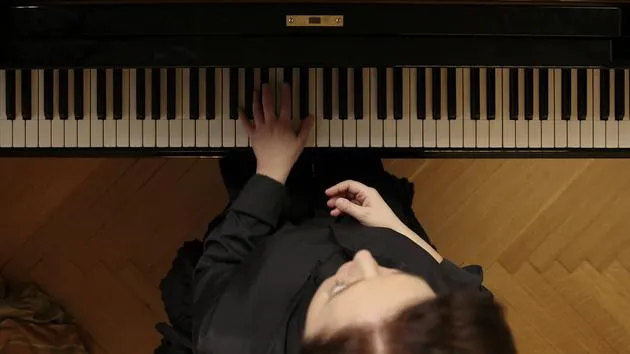
- Again, the wrist is free and the elbow is out.
- We need to ensure that we hear all the notes, whether it's three or four.
The trick here is:
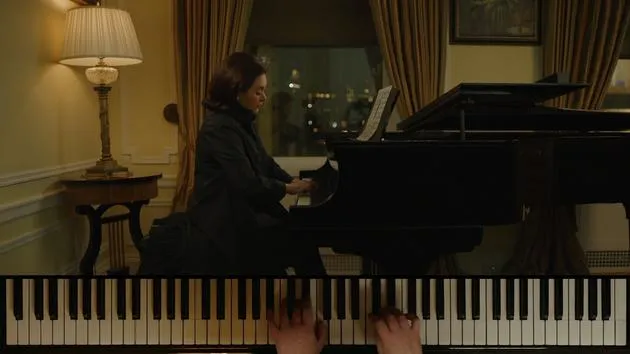
- Keep your fingers on the keyboard.
I'll show slowly. So you see, I'm keeping my fingers on the keyboard. As the text goes on, starting from measure nine when we have the accompaniment in both hands, I suggest practicing it separately, the same way we do with the right hand. This will be very helpful when you put the hands together.
Right Hand Focus
Now, when it comes to the right hand, Tchaikovsky puts in vocal slurs, which, of course, we're not going to be doing. However, we need a very long phrase.
Practice Strategy
What I like to do is ask my students to play the right hand for me with just one chord from the left hand. This could be:
- One thought,
- Second thought,
- Third thought.
As a result, it becomes one long phrase.
Emphasizing Melody
What we really need to accomplish here is to have a long melody that goes throughout eight measures, arriving at a certain point. Things become harder because, as I told you, Tchaikovsky loves his polyphony.
Clear Melody and Accompaniment
He wants to differentiate between parts. For example, let's say that was a soprano violin. Now, there's a cello or bass baritone turn. I always ask everyone to play that melody the way it's written, meaning between the hands, so you know exactly who is playing what.
This is a bit challenging for beginners, and we really need a clear melody with a clear accompaniment.
Musical Dynamics
There is also a perfect case of Tchaikovsky's beloved question and answer. He states, "pi? forte," meaning a little bit more, and "answer less." He then repeats the same thought and ends it in different ways.
Importance of Transition
This is very important for the future. When he comes back in the third part, he does not repeat the inner or middle voice melody twice; instead, he goes straight to the second ending.
It's crucial to keep this in mind, as it will make the third section shorter. Except, he writes a conclusion or a quarter part of the third movement, actually varying and making a variation on that very end.
Putting It All Together
Once you put together the first part, which is not very easy, you really need to capture that spring feeling, the feeling of the wind, of crescendos and diminuendos. Always ensure that you can hear your melody.
The Performer's Role
Now, there's a very simple rule:
- If the performer hears the melody, the audience will hear it.
- If you can't hear it clearly, nobody else will hear it.
Marking Tempo
I would also like to draw your attention to the composer's tempo marking: Allegretto con moto e poco rubato, meaning:
- Allegretto, not too fast, yet one of the faster tempos.
- Con moto means with movement.
We should make sure it moves.
Time Signature and Feel
Plus, the composer could have used three-quarter time but instead chose six-eighths. This always indicates it's a bit faster tempo, with molto rubato. He also mentions dolce, or gentle, reflecting the gentle idea of spring.
Conclusion: Mastering Polyphony
It's quite hard to master all these aspects together, especially when the polyphony starts. I love to compare Tchaikovsky's style of polyphony to a sort of 3D or three-dimensional printer.
We see things in different dimensions this way. When the melody appears, we must hear it between the voices, along with the accompaniment that is either on top or below.
So, it's a very interesting approach!
27 Lektionen
1 Std. 57 Min. strukturierte Videolektionen
Erweiterte Videofunktionen
Verlangsamen, Passagen loopen, mitlesen
Handy, Tablet & Desktop
Üben, wo du willst
100 % Zufriedenheitsgarantie
30 Tage Geld-zurück-Garantie
Lern deinen Guru kennen
Lern deinen Guru kennen
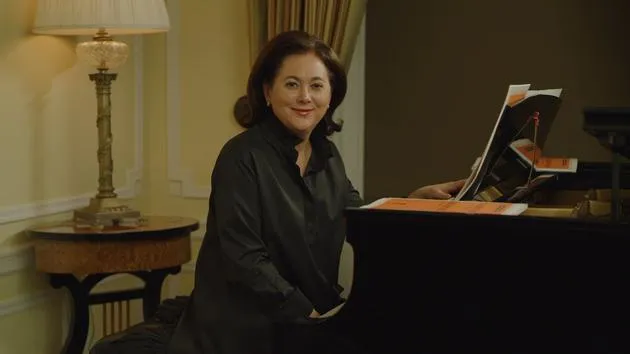
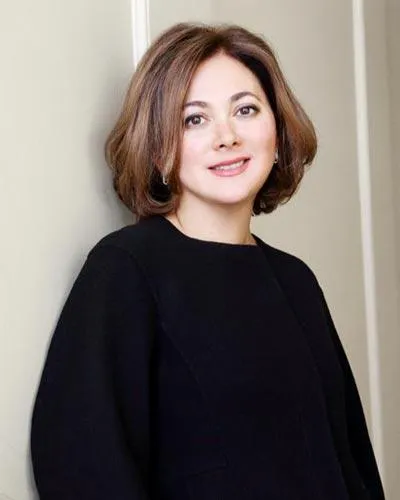
Die in Russland geborene amerikanische Pianistin Julia Zilberquit hat als Rezitalistin, Kammermusikerin und Aufnahmekünstlerin große Anerkennung von der Kritik erhalten. The New York Times pries sie nach ihrer Aufführung von Cesar Francks sinfonischer Dichtung Les Djinns für Klavier und Orchester mit Leon Botstein und dem American Symphony Orchestra in der Carnegie Hall als "herausragende Solistin".
2014 veröffentlichte Warner Classics ihre CD Bach: Complete Solo Keyboard Concertos. Diese Aufnahme enthält die Erstaufführung zweier Bach-Vivaldi Concerti Grossi, die Frau Zilberquit für Klavier und Orchester bearbeitet hat, und wurde vom renommierten Gramophone Magazine als "herrliche Wiedergabe" gefeiert. Ihre Bearbeitung von Schostakowitschs Concertino für 2 Klaviere, Op. 94 für Klavier und Orchester wurde in der Carnegie Hall uraufgeführt; sie hat es weltweit mit großem kritischen Erfolg aufgeführt und mit Vladimir Spivakov und den Moscow Virtuosi aufgenommen. Zu weiteren Aufnahmen zählt eine Soloeinspielung, The Mystery of Bagatelles, veröffentlicht von Naxos. Die CD wurde von The Washington Post als "hervorragende Darbietung" gelobt und im Londoner Piano Magazine als "kühnes Programm, das mit ungewöhnlicher Klarheit und pointillistischer Leuchtkraft funkelt" beschrieben.
Ihre Rezitale fanden in bedeutenden Konzertsälen statt, darunter die Weill Recital Hall der New Yorker Carnegie Hall, das 92nd Street Y und die Alice Tully Hall im Lincoln Center. Zu ihren Engagements bei großen internationalen Musikfestivals zählen Auftritte in Seattle, Colmar (Frankreich), Klangbogen (Wien), Valery Gergievs "White Nights" (St. Petersburg), Richters "December Nights" (Moskau), "The Palaces of St. Petersburg", das Bard Music Festival in New York und das Penderecki Festival (Polen).
Julia Zilberquit stammt aus Moskau und wurde in eine Musikerfamilie hineingeboren. Sie schloss ihr Studium an der Moscow Gnessin School of Music und an The Juilliard School (Klasse von Bella Davidovich) ab. Sie lebt mit ihrem Mann, ihrem Sohn und ihrer Tochter in New York City.
In diesem Kurs schöpft sie aus dieser Kunstfertigkeit, um dich durch vier Sätze aus Tschaikowskis "Die Jahreszeiten" - März, April, Juni und Oktober - zu führen, damit du ihre Poesie und ihre Farbe am Klavier selbst gestalten kannst.







