



Erster Teil
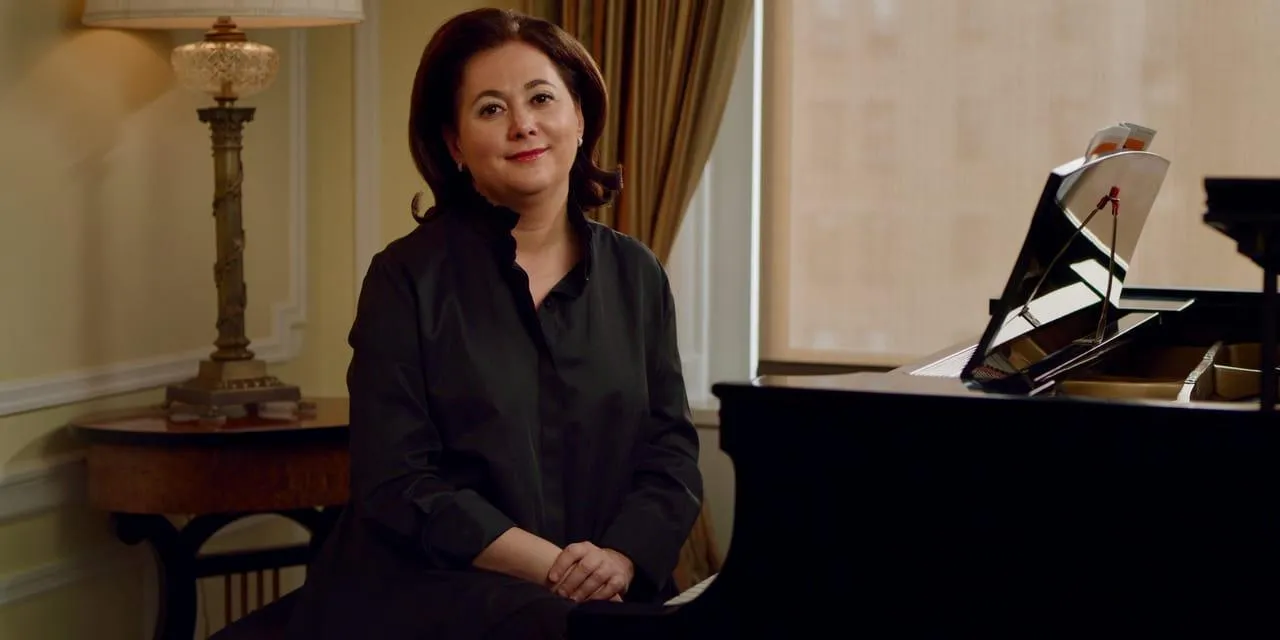
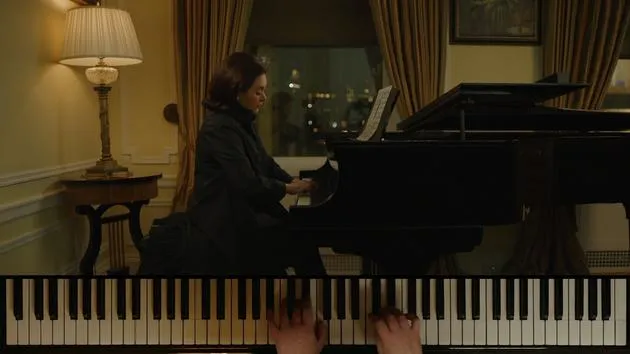
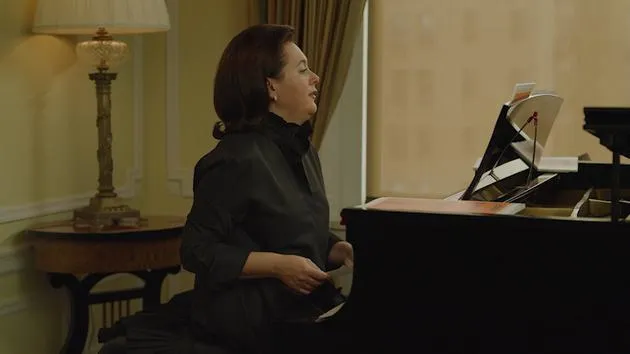
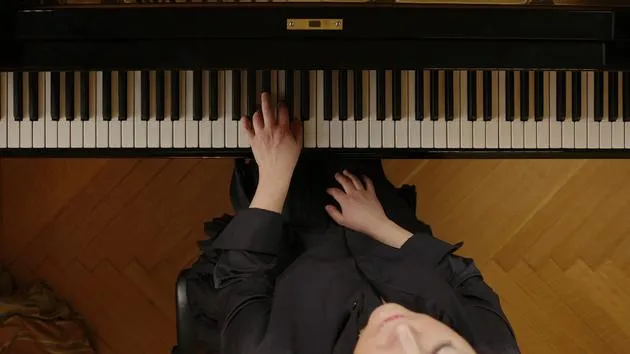
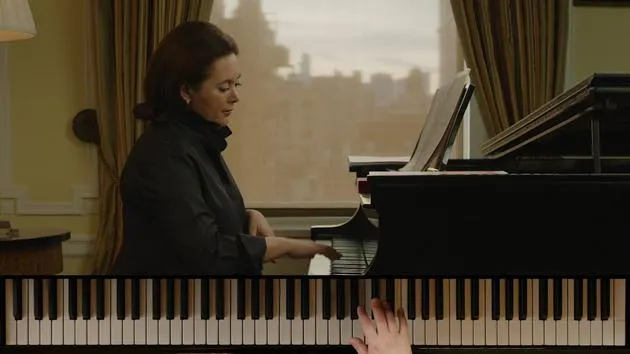
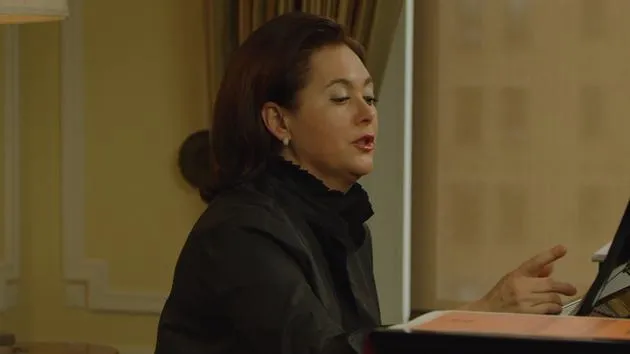
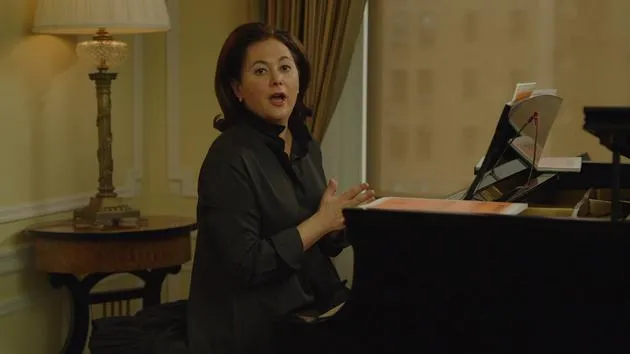
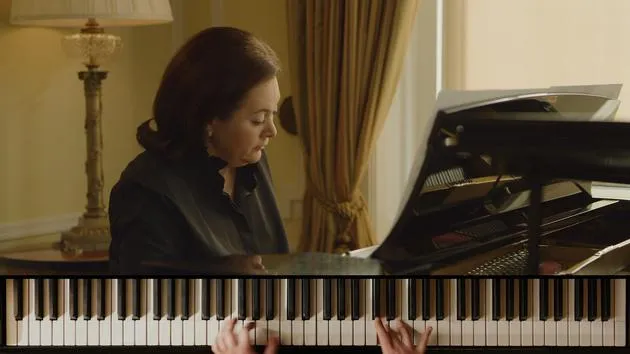
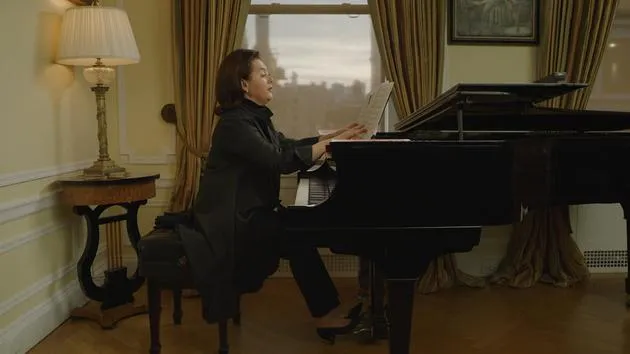
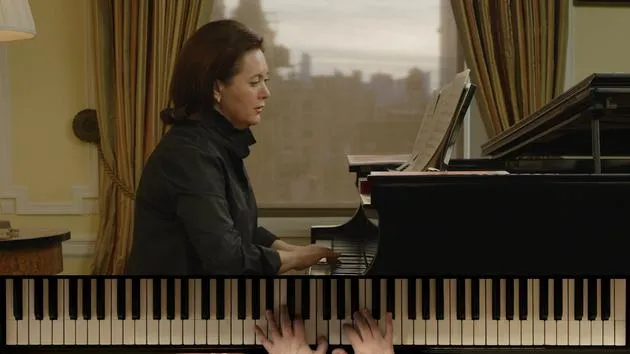
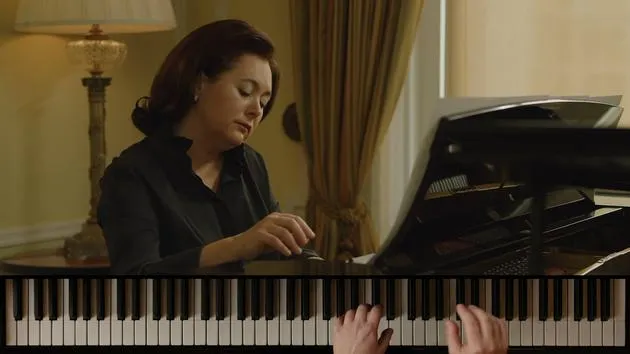
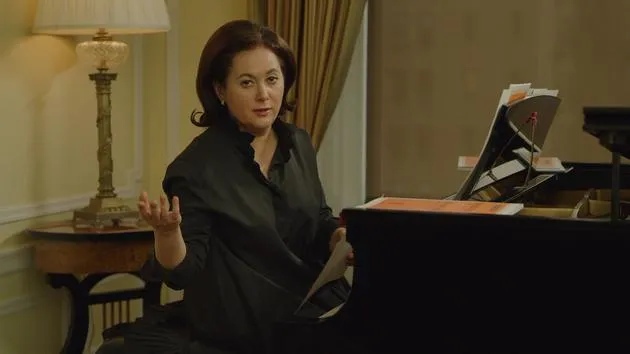
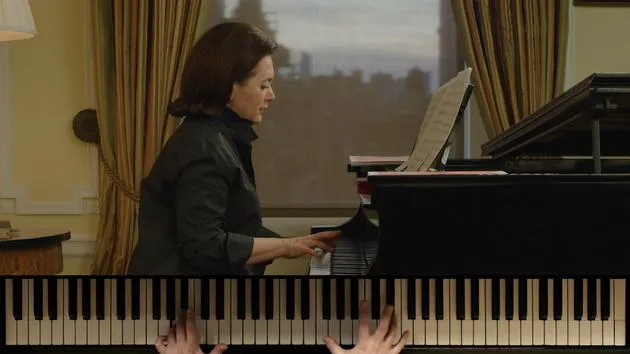
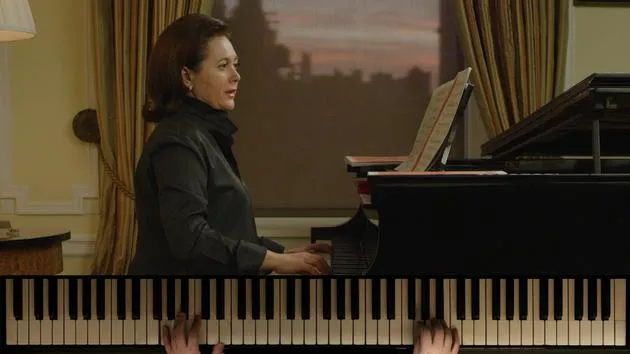
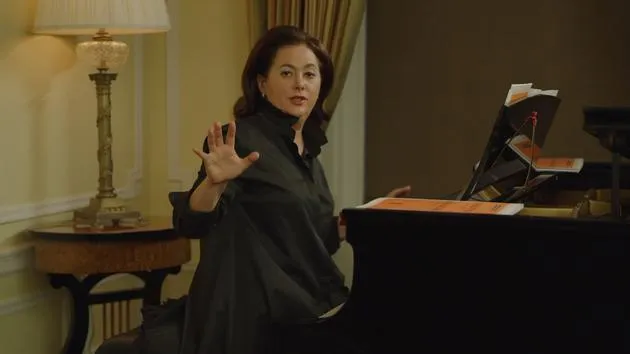
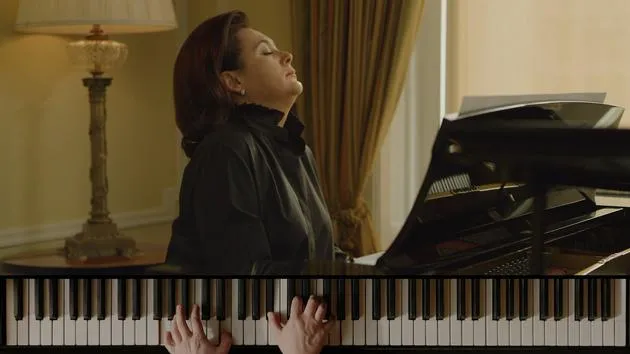
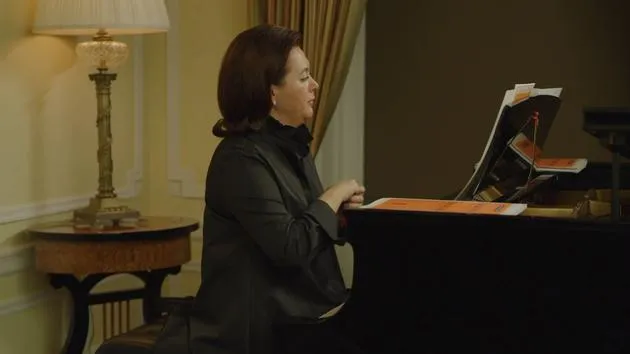
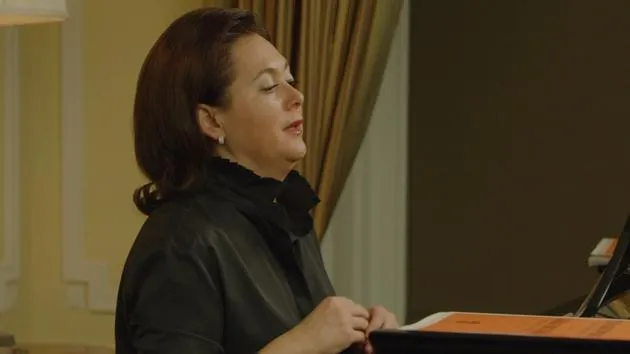
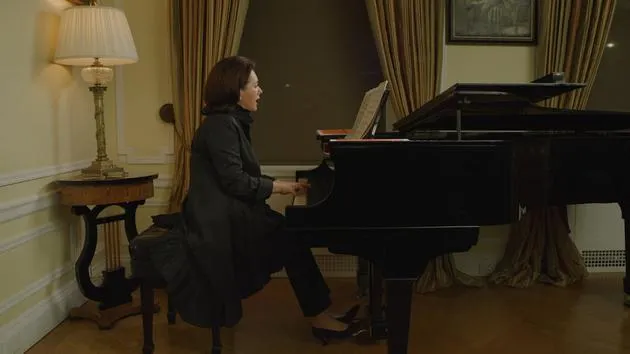
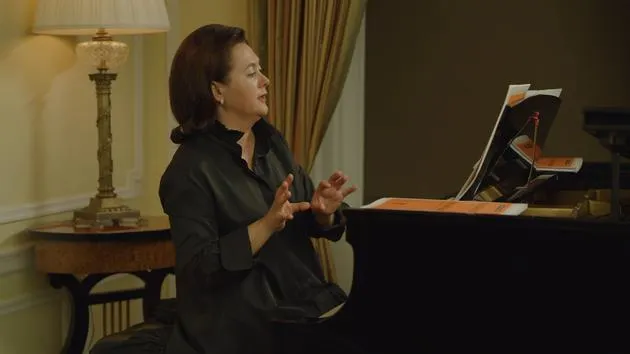
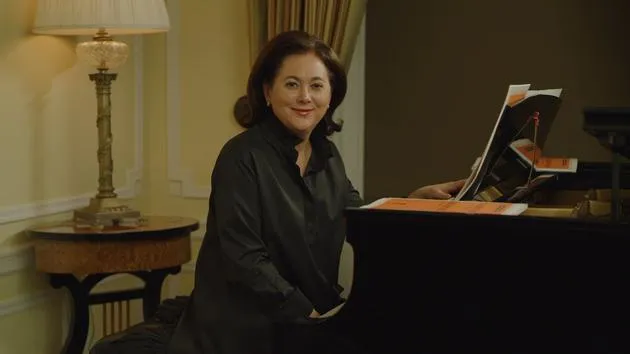
Julia Zilberquit erarbeitet den ersten Abschnitt von Tschaikowskys March aus Die Jahreszeiten und konzentriert sich dabei auf eine freie, entspannte linke Hand und eine Legato-Phrasierung.
Das steckt im Kurs
27 Lektionen (1h 57m) · 1 gratis
Transkript der Lektion
Music Lesson: Left Hand Techniques
Introduction
In this lesson, we will focus on the left hand and its role throughout the piece.
Practice Suggestions
-
Long Notes:
- Begin by taking a long note, whether it's a G in the first section or B flat in the second section.
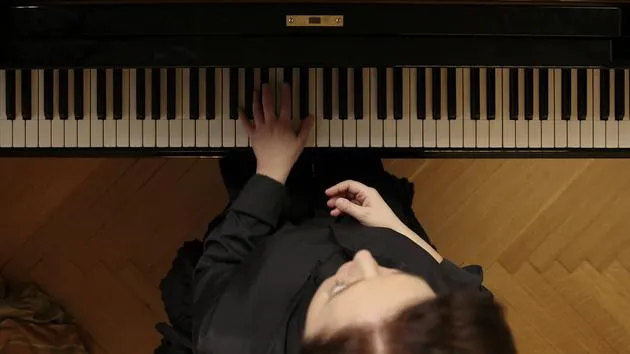
- Ensure your hand is very free:
- Your wrist should be relaxed.
- Your elbow should be out while you play the chords, holding the bass.
- This is a very good and useful practice.
-
Middle Section:
- Practice the middle voice separately.
- Create a sense of legato in the middle voice, especially when the harmony changes in the left hand.
- It's essential to hear that line in the middle part.
-
For Beginners:
- Once you've side-read the piece, work through the text.
- Practice the left hand in full, complete chords to gain a better understanding of the harmonies.
Right Hand Techniques
As we shift to the right hand, remember:
Legato & Relaxation
- Aim for a good legato.
- Keep your wrists free and elbows out.
- Tchaikovsky mimics a bird in this piece, which we will explore.
Bird Sounds
- There are two ways he mimics birds:
- A fast triplet that sounds almost like a mordant.
- Ensure your wrist is flexible and your elbow is out.
- Suggested exercise: play hands separately, then together.
Grace Notes
- In the middle part, you'll notice grace notes that sound like a bird. Focus on:
- Playing the interval first (whether a third or a fourth).
- Keeping your elbow out and relaxed while playing grace notes.
- Establish a "circle" where your wrists are free, and elbows are out.
Avoiding Short Note Dangers
- Watch for the danger of playing shorter notes too loudly.
- Maintain a controlled sound, even when mimicking a bird.
Breathing as a Singer
An essential aspect of this piece is "breathing" when you play:
- Observe the slurs that Tchaikovsky includes; they guide the phrasing.
- Ensure a long, very smooth phrase, particularly as you crescendo towards G.
- Remember, the left hand:
- Mimics and repeats the same phrasing.
Left Hand as an Equal Partner
In Tchaikovsky's compositions:
- The left hand is not merely accompaniment; it's an equal partner.
- Think in terms of dialogue, like between a violin and cello or soprano and bass.
- Echoing, imitation, and question-answer dynamics are crucial.
Important Considerations
- When playing the first phrase leading to G, the left hand should mirror this.
- Pay attention to the descending bass line in the left hand; it's structurally important.
- The left hand can also contribute to the melody, often termed the middle voice or sub voice.
- This section should create a crescendo to a note and then transition into a diminuendo to finish.
27 Lektionen
1 Std. 57 Min. strukturierte Videolektionen
Erweiterte Videofunktionen
Verlangsamen, Passagen loopen, mitlesen
Handy, Tablet & Desktop
Üben, wo du willst
100 % Zufriedenheitsgarantie
30 Tage Geld-zurück-Garantie
Lern deinen Guru kennen

Lern deinen Guru kennen
Die in Russland geborene amerikanische Pianistin Julia Zilberquit hat als Rezitalistin, Kammermusikerin und Aufnahmekünstlerin große Anerkennung von der Kritik erhalten. The New York Times pries sie nach ihrer Aufführung von Cesar Francks sinfonischer Dichtung Les Djinns für Klavier und Orchester mit Leon Botstein und dem American Symphony Orchestra in der Carnegie Hall als "herausragende Solistin".
2014 veröffentlichte Warner Classics ihre CD Bach: Complete Solo Keyboard Concertos. Diese Aufnahme enthält die Erstaufführung zweier Bach-Vivaldi Concerti Grossi, die Frau Zilberquit für Klavier und Orchester bearbeitet hat, und wurde vom renommierten Gramophone Magazine als "herrliche Wiedergabe" gefeiert. Ihre Bearbeitung von Schostakowitschs Concertino für 2 Klaviere, Op. 94 für Klavier und Orchester wurde in der Carnegie Hall uraufgeführt; sie hat es weltweit mit großem kritischen Erfolg aufgeführt und mit Vladimir Spivakov und den Moscow Virtuosi aufgenommen. Zu weiteren Aufnahmen zählt eine Soloeinspielung, The Mystery of Bagatelles, veröffentlicht von Naxos. Die CD wurde von The Washington Post als "hervorragende Darbietung" gelobt und im Londoner Piano Magazine als "kühnes Programm, das mit ungewöhnlicher Klarheit und pointillistischer Leuchtkraft funkelt" beschrieben.
Ihre Rezitale fanden in bedeutenden Konzertsälen statt, darunter die Weill Recital Hall der New Yorker Carnegie Hall, das 92nd Street Y und die Alice Tully Hall im Lincoln Center. Zu ihren Engagements bei großen internationalen Musikfestivals zählen Auftritte in Seattle, Colmar (Frankreich), Klangbogen (Wien), Valery Gergievs "White Nights" (St. Petersburg), Richters "December Nights" (Moskau), "The Palaces of St. Petersburg", das Bard Music Festival in New York und das Penderecki Festival (Polen).
Julia Zilberquit stammt aus Moskau und wurde in eine Musikerfamilie hineingeboren. Sie schloss ihr Studium an der Moscow Gnessin School of Music und an The Juilliard School (Klasse von Bella Davidovich) ab. Sie lebt mit ihrem Mann, ihrem Sohn und ihrer Tochter in New York City.
In diesem Kurs schöpft sie aus dieser Kunstfertigkeit, um dich durch vier Sätze aus Tschaikowskis "Die Jahreszeiten" - März, April, Juni und Oktober - zu führen, damit du ihre Poesie und ihre Farbe am Klavier selbst gestalten kannst.







