



Schluss
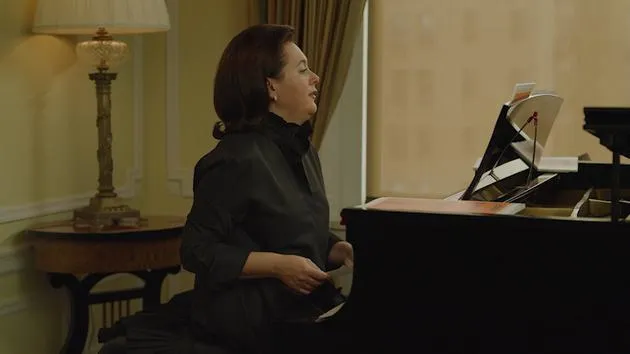
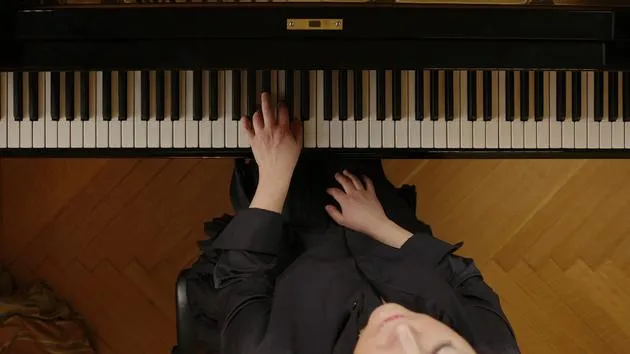
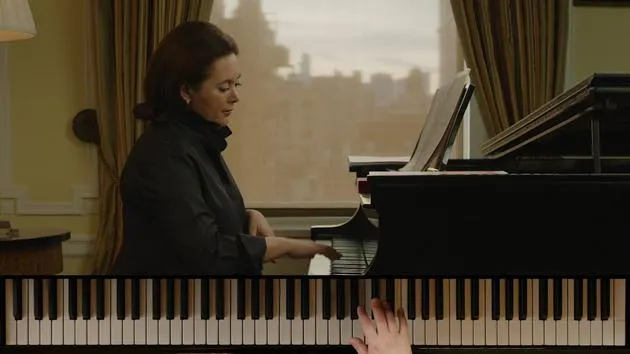
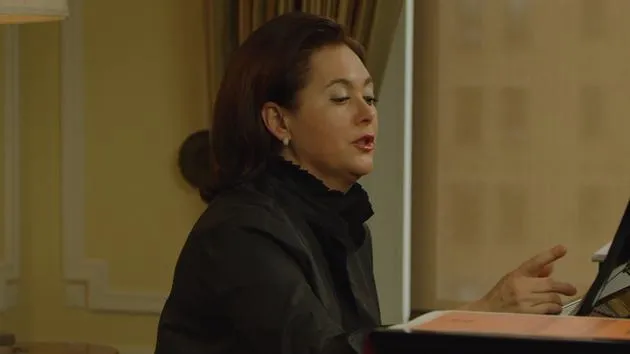
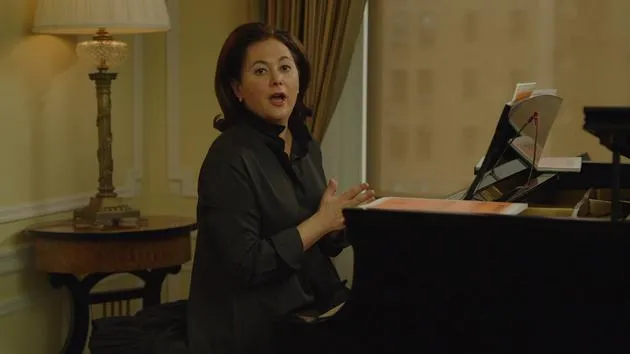
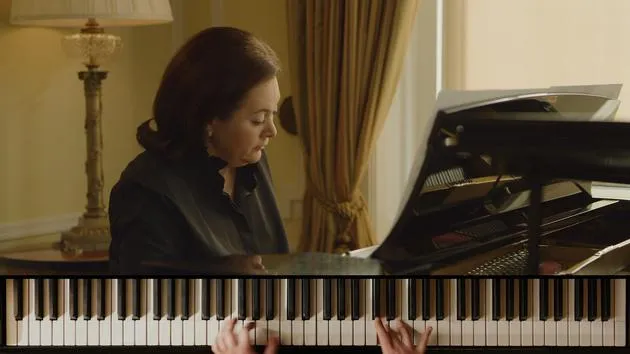
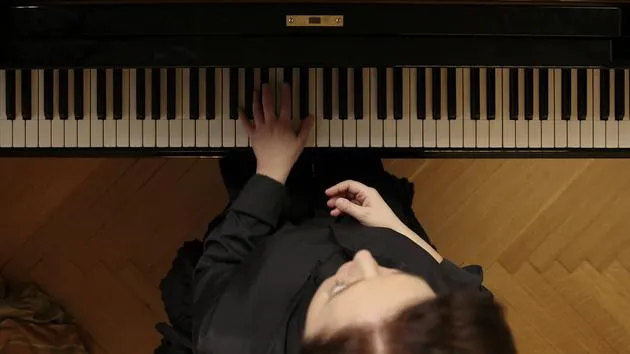
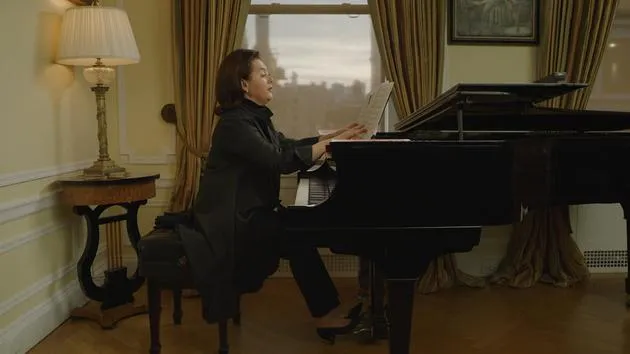
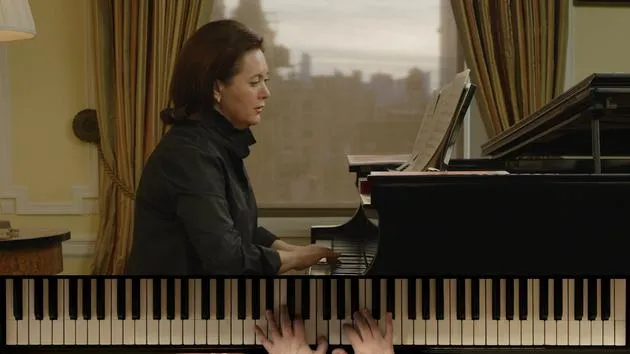
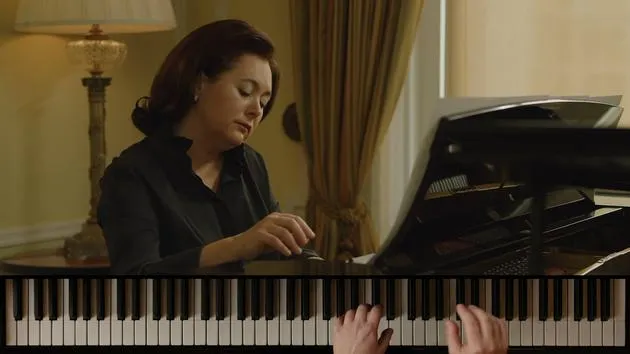
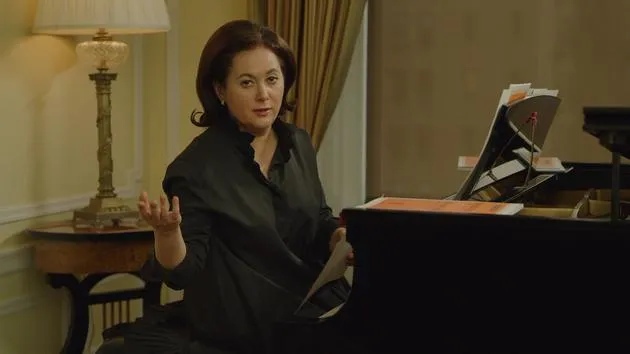
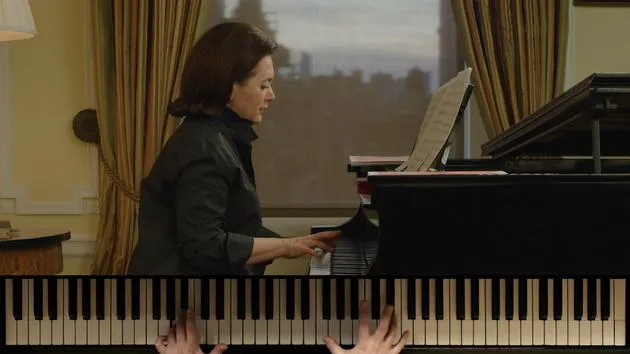
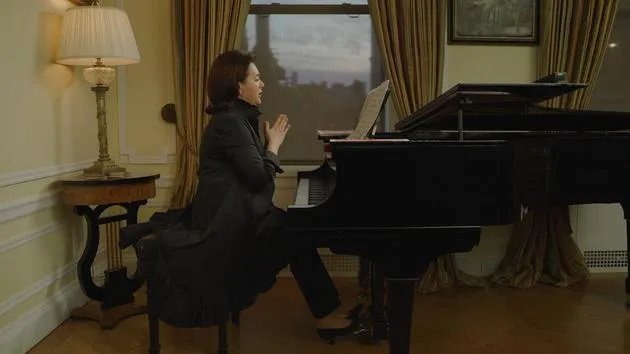
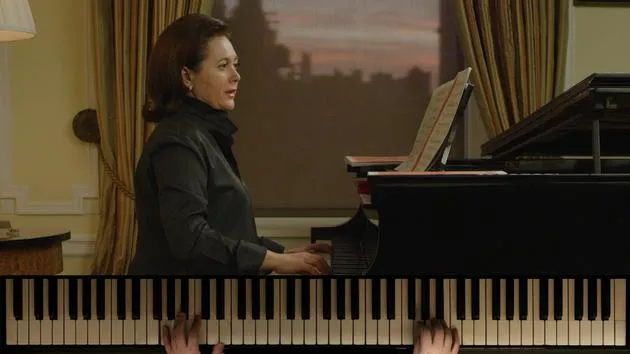
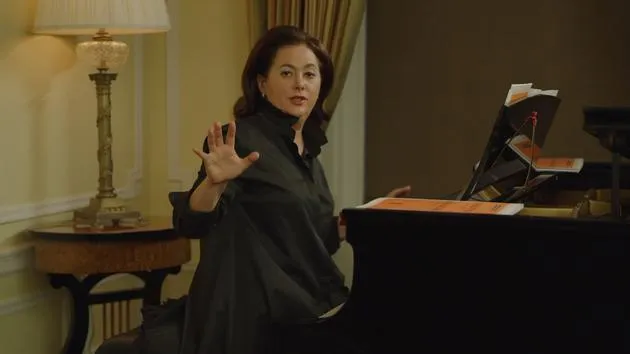
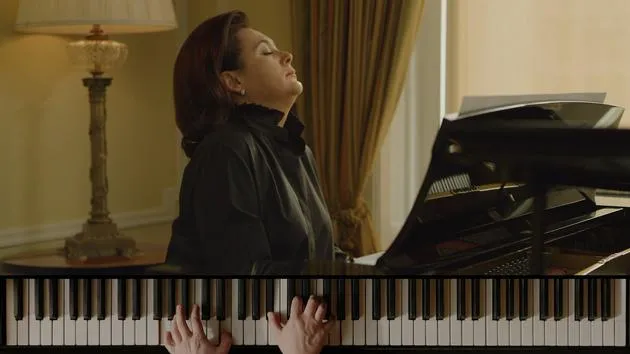
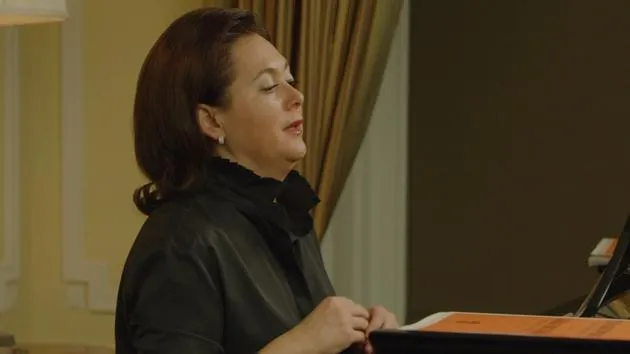
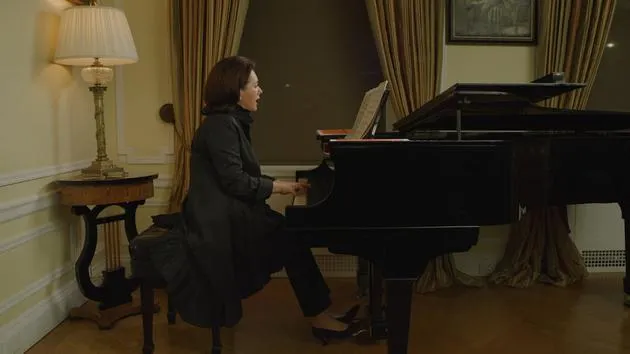
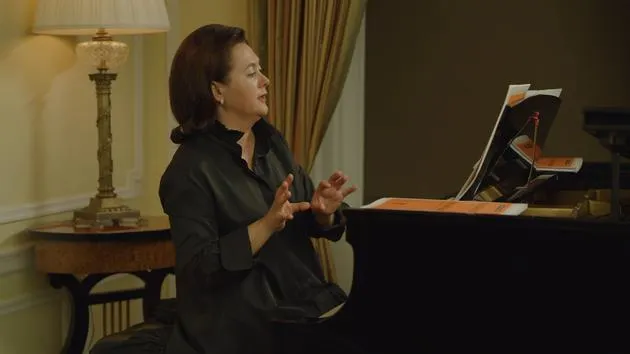
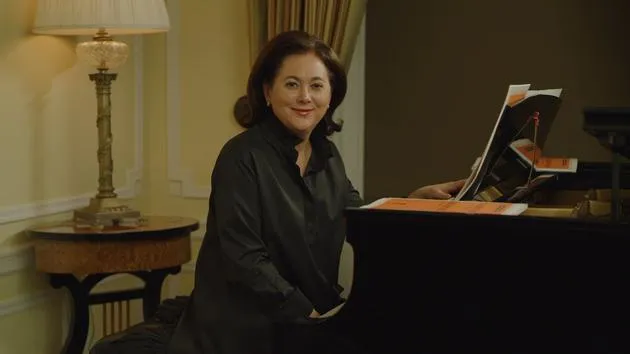
Julia Zilberquit geht durch den schwebenden Schlussteil von Tschaikowskys April: Snowdrop und formt den Morendo-Schluss mit Ritenuto, Diminuendo und einem sorgfältigen Non-legato-Anschlag.
Das steckt im Kurs
27 Lektionen (1h 57m) · 1 gratis
Transkript der Lektion
Music Lesson: Tchaikovsky's Transitions
As I said again, we are very careful, and we're aware of what's going on with an ending.
Measure 75: Floating Ending
From measure 75, it's just a very floating ending. He takes the ending of that section and plays around with this.
Important Note on Measure 75
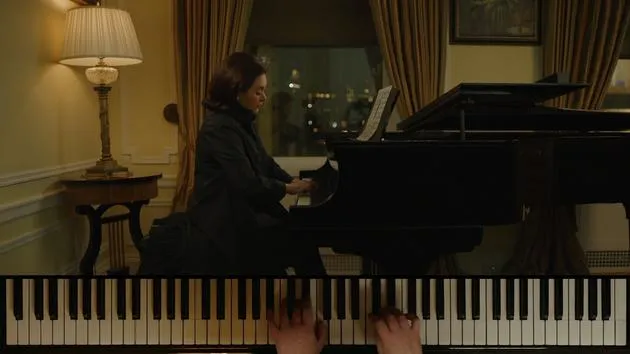
- There is a rest on each beat.
- We play the left hand on beats 2 and 3, not 1, 2.
Example:
- Exactly like in measure 79.
Focus on Measures 77 and 81
I want to draw your attention to measures 77 and 81.
- Those notes are non-legato.
- They have small accents while remaining double piano.
- Followed by legato.
Tchaikovsky's Techniques
Tchaikovsky loves to write the word morendo at the end, which means "dying."
- So, we're doing our ritenuto and diminuendo.
- It's a very intricate work because we're already in double piano.
Controlling Sound Dynamics
We need to measure our strength of sound, which could be:
- A little P.S. (Postscriptum): Two to three pianos.
What's very important, particularly in those pieces from Tchaikovsky, are those little shades and musical nuances.
I call them like dimmer lights:
- When you go up and you go down, it's very important to know where you're going down to.
For example:
- If it says crescendo, it actually means piano.
- We're going into crescendo.
If it says diminuendo, it most certainly means mezzo-forte or forte, where we're coming down.
So, we have to be able to control the sound, which is not as easy as it seems.
27 Lektionen
1 Std. 57 Min. strukturierte Videolektionen
Erweiterte Videofunktionen
Verlangsamen, Passagen loopen, mitlesen
Handy, Tablet & Desktop
Üben, wo du willst
100 % Zufriedenheitsgarantie
30 Tage Geld-zurück-Garantie
Lern deinen Guru kennen
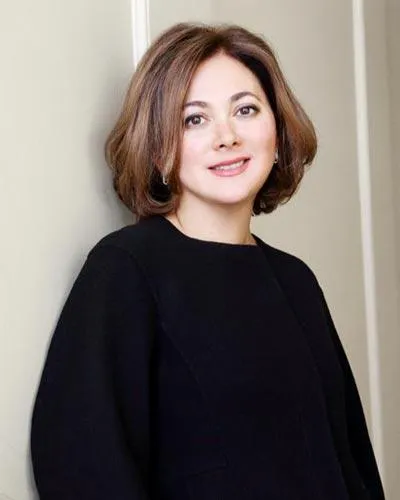
Lern deinen Guru kennen
Die in Russland geborene amerikanische Pianistin Julia Zilberquit hat als Rezitalistin, Kammermusikerin und Aufnahmekünstlerin große Anerkennung von der Kritik erhalten. The New York Times pries sie nach ihrer Aufführung von Cesar Francks sinfonischer Dichtung Les Djinns für Klavier und Orchester mit Leon Botstein und dem American Symphony Orchestra in der Carnegie Hall als "herausragende Solistin".
2014 veröffentlichte Warner Classics ihre CD Bach: Complete Solo Keyboard Concertos. Diese Aufnahme enthält die Erstaufführung zweier Bach-Vivaldi Concerti Grossi, die Frau Zilberquit für Klavier und Orchester bearbeitet hat, und wurde vom renommierten Gramophone Magazine als "herrliche Wiedergabe" gefeiert. Ihre Bearbeitung von Schostakowitschs Concertino für 2 Klaviere, Op. 94 für Klavier und Orchester wurde in der Carnegie Hall uraufgeführt; sie hat es weltweit mit großem kritischen Erfolg aufgeführt und mit Vladimir Spivakov und den Moscow Virtuosi aufgenommen. Zu weiteren Aufnahmen zählt eine Soloeinspielung, The Mystery of Bagatelles, veröffentlicht von Naxos. Die CD wurde von The Washington Post als "hervorragende Darbietung" gelobt und im Londoner Piano Magazine als "kühnes Programm, das mit ungewöhnlicher Klarheit und pointillistischer Leuchtkraft funkelt" beschrieben.
Ihre Rezitale fanden in bedeutenden Konzertsälen statt, darunter die Weill Recital Hall der New Yorker Carnegie Hall, das 92nd Street Y und die Alice Tully Hall im Lincoln Center. Zu ihren Engagements bei großen internationalen Musikfestivals zählen Auftritte in Seattle, Colmar (Frankreich), Klangbogen (Wien), Valery Gergievs "White Nights" (St. Petersburg), Richters "December Nights" (Moskau), "The Palaces of St. Petersburg", das Bard Music Festival in New York und das Penderecki Festival (Polen).
Julia Zilberquit stammt aus Moskau und wurde in eine Musikerfamilie hineingeboren. Sie schloss ihr Studium an der Moscow Gnessin School of Music und an The Juilliard School (Klasse von Bella Davidovich) ab. Sie lebt mit ihrem Mann, ihrem Sohn und ihrer Tochter in New York City.
In diesem Kurs schöpft sie aus dieser Kunstfertigkeit, um dich durch vier Sätze aus Tschaikowskis "Die Jahreszeiten" - März, April, Juni und Oktober - zu führen, damit du ihre Poesie und ihre Farbe am Klavier selbst gestalten kannst.







