



Coda
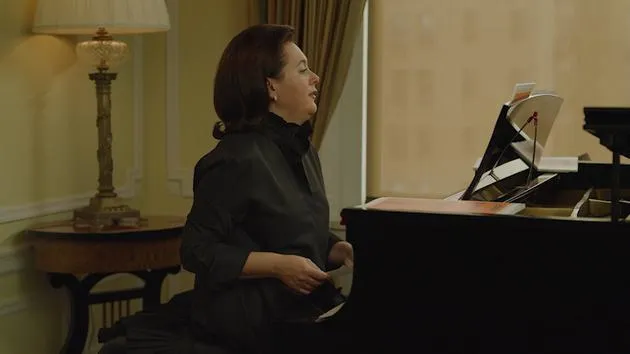
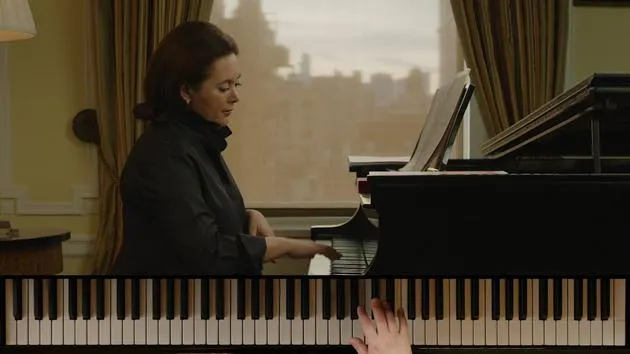
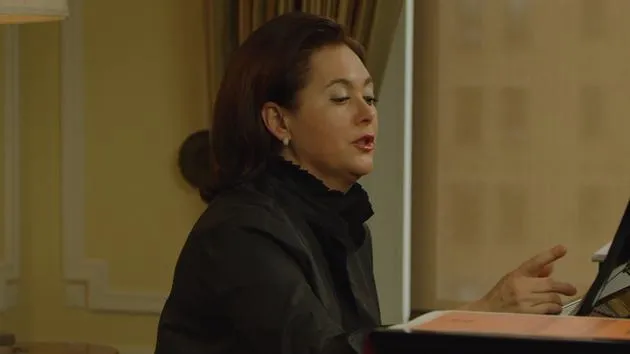
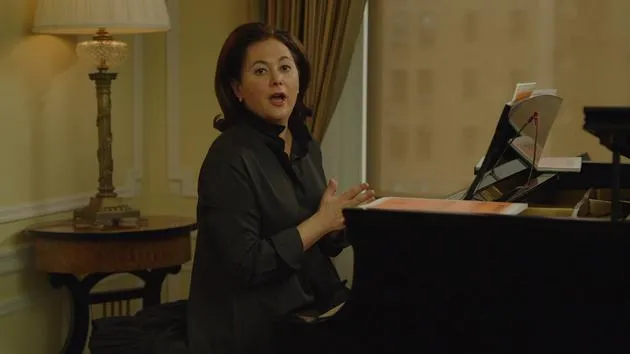
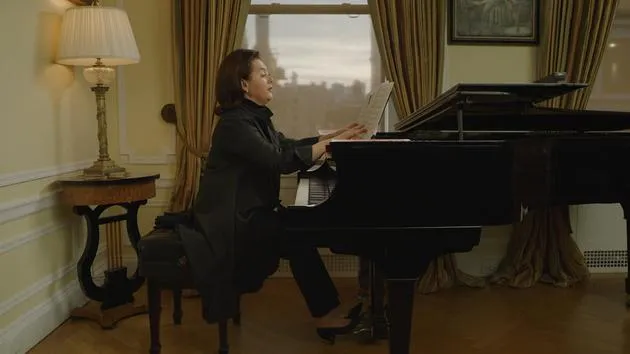
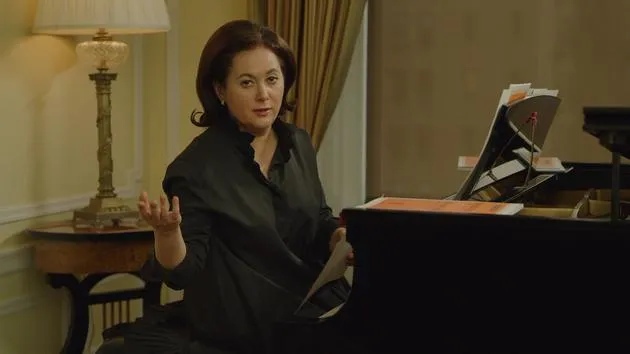
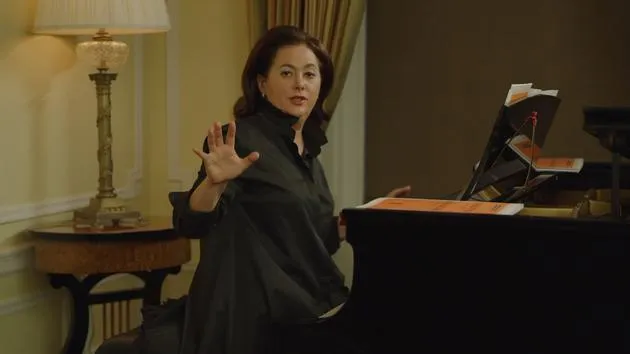
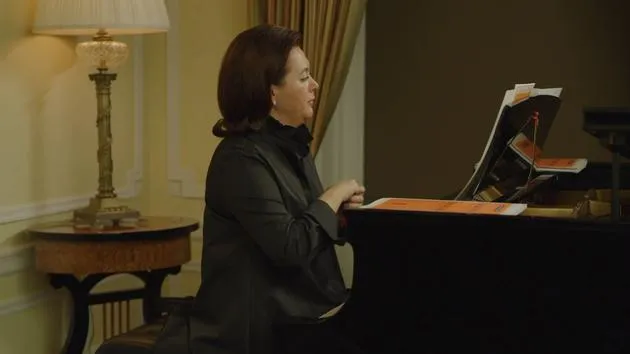
Julia Zilberquit führt dich durch die Coda von Tschaikowskys 'June: Barcarolle' - die Akkorde zum Klingen bringen, die tiefen Noten halten und ihre nachthimmelartige Klangfarbe hervorheben.
Das steckt im Kurs
27 Lektionen (1h 57m) · 1 gratis
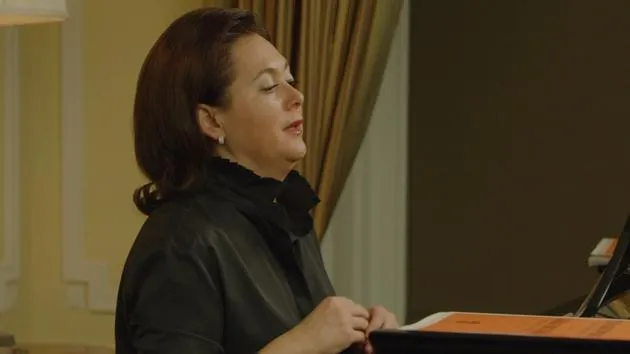
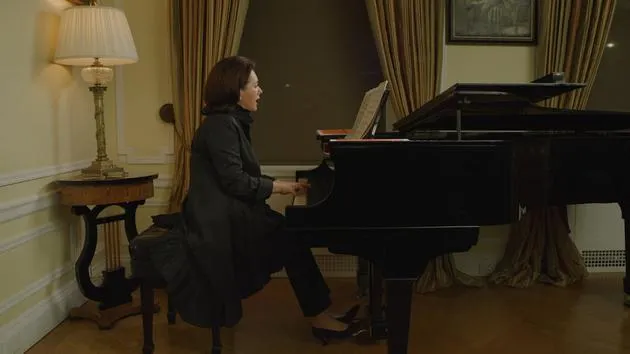
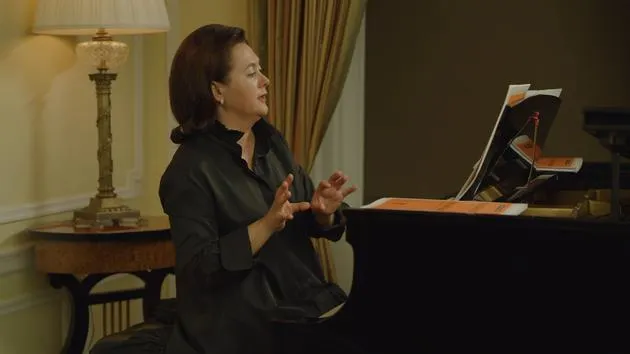
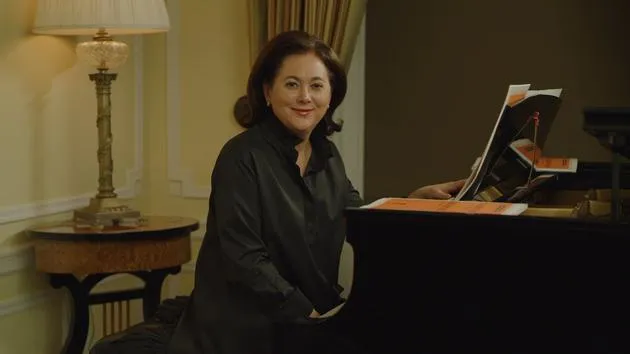
Transkript der Lektion
Koda Exploration
And then we arrive into the Koda.
If you remember the poetry that I wrote to you, it says it was a beautiful summer night and the stars were shining or gazing upon them.
Importance of the Stars
For me, it is very important to show those stars. And here they are, coming along in the lower register.
Students' Reaction
Now, some students become dazzled by this section for some odd reason. So, here's what I suggest we do:
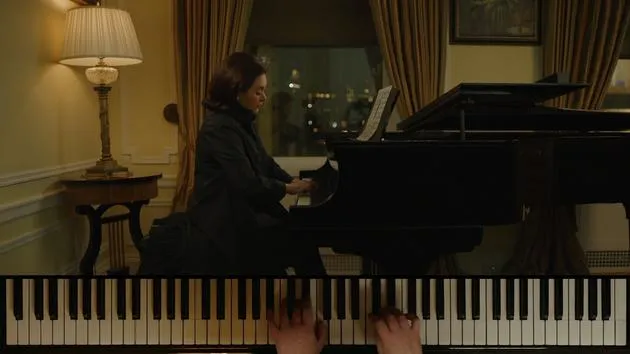
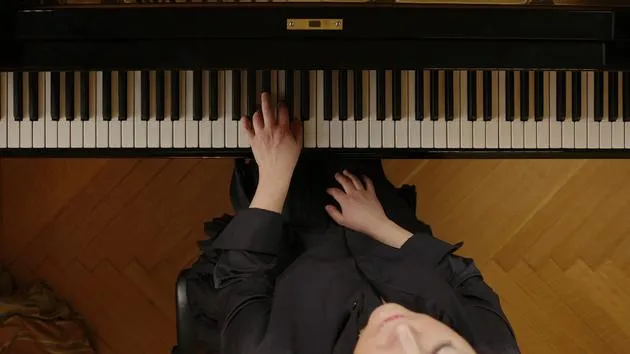
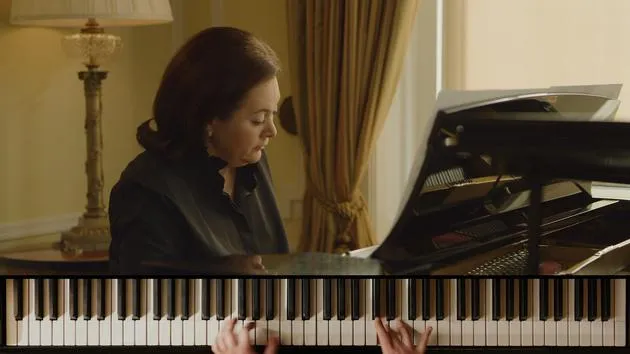
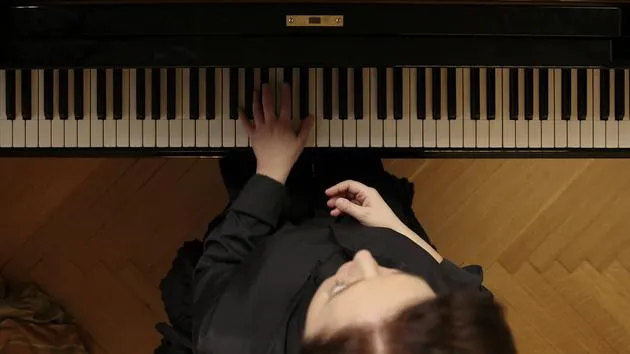
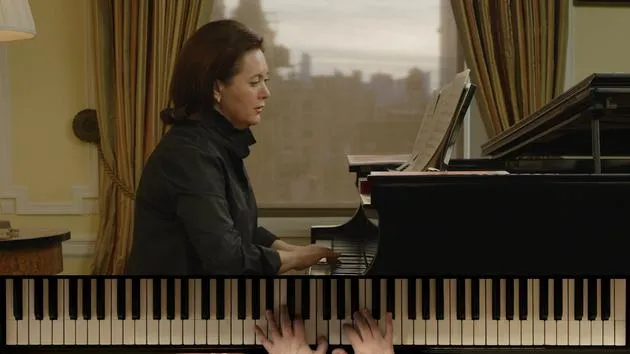
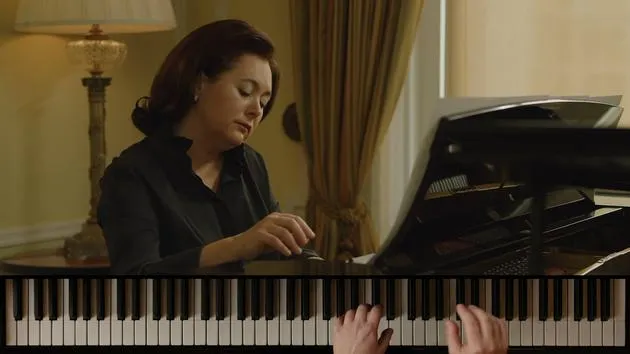
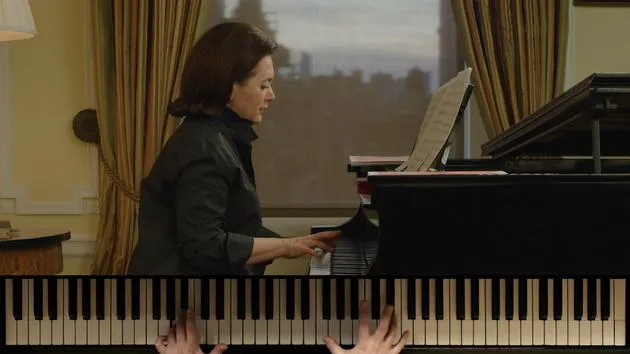
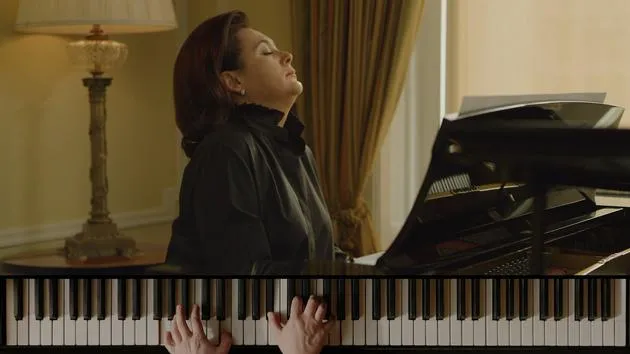
- Play the Chords: First of all, we play it as the chords, which is very useful. This will give you an idea of the hand position.
- Hold the Lower Note: We need to make sure that the lower note is held.
- Sonority of Notes: We always have a sonority of three notes or four notes. This is very important.
- Syncopation: There is some sort of syncopation as well.
- Beautiful Bass: I also want you to pay attention to the beautiful bass because it's holding it all together, and we need to hear this.
Measure 87 Insights
Now, there's a beautiful imitation. I want to also point out measure 87:
- First Edition: The first edition had an octave there instead of a second fifth.
- Tchaikovsky's Autograph: Tchaikovsky in his autograph had two fifths both times around.
- Common Practice: However, a lot of us play the octave in measure 87 just because we're so used to that. Both of them work.
Conclusion of the Koda
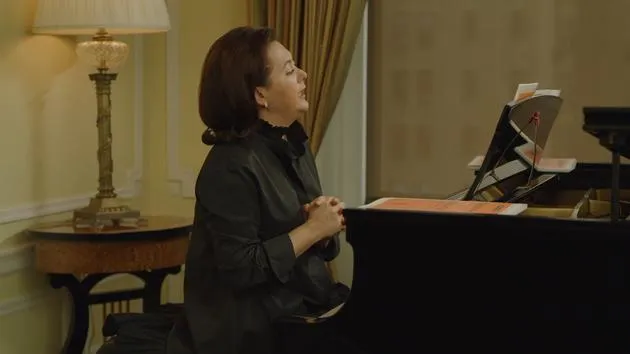
Now, we move to the conclusion of the Koda. The syncopated section reflects the first subsection , the so-called lullaby in the second part , which is this very soft double piano.
- Need to Hear the Line: I do need to know this; I need to hear this line.
- Crescendo: I would say it has a very small crescendo, and I do it just a little bit differently.
Arpeggiato Chords
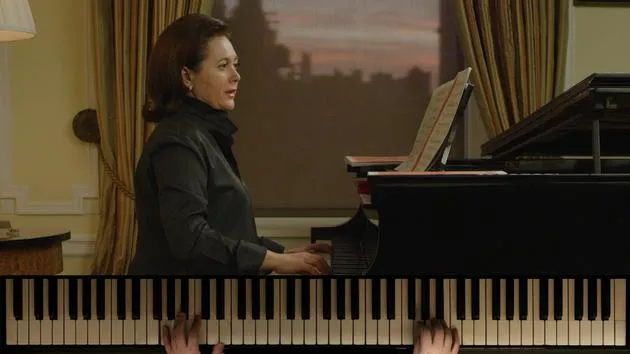
As you see, there are nine G minor arpeggiato chords at the end. So I usually do it this way:
- Starting the Crescendo: I start the crescendo a little bit later, and then I do the diminuendo.
For me, this is such a quintessential sunrise.
Ravello Music Festival
I don't know; some of you probably know that there's a famous music festival in Ravello. It's called the Ravello Music Festival, and they have the most amazing thing , a beautiful surrounding.
- Sunrise Concerts: They have what is called the sunrise concerts. When people come to listen to the concert, it's dark. Slowly, the sun rises, and by the time the program is done, it's beautiful sunshine.
For me, this is such a beautiful ending of that summer night.
27 Lektionen
1 Std. 57 Min. strukturierte Videolektionen
Erweiterte Videofunktionen
Verlangsamen, Passagen loopen, mitlesen
Handy, Tablet & Desktop
Üben, wo du willst
100 % Zufriedenheitsgarantie
30 Tage Geld-zurück-Garantie
Lern deinen Guru kennen
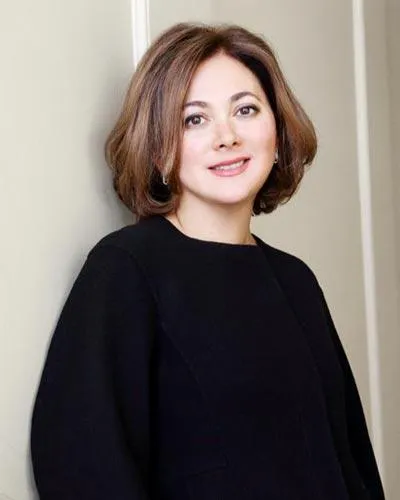
Lern deinen Guru kennen
Die in Russland geborene amerikanische Pianistin Julia Zilberquit hat als Rezitalistin, Kammermusikerin und Aufnahmekünstlerin große Anerkennung von der Kritik erhalten. The New York Times pries sie nach ihrer Aufführung von Cesar Francks sinfonischer Dichtung Les Djinns für Klavier und Orchester mit Leon Botstein und dem American Symphony Orchestra in der Carnegie Hall als "herausragende Solistin".
2014 veröffentlichte Warner Classics ihre CD Bach: Complete Solo Keyboard Concertos. Diese Aufnahme enthält die Erstaufführung zweier Bach-Vivaldi Concerti Grossi, die Frau Zilberquit für Klavier und Orchester bearbeitet hat, und wurde vom renommierten Gramophone Magazine als "herrliche Wiedergabe" gefeiert. Ihre Bearbeitung von Schostakowitschs Concertino für 2 Klaviere, Op. 94 für Klavier und Orchester wurde in der Carnegie Hall uraufgeführt; sie hat es weltweit mit großem kritischen Erfolg aufgeführt und mit Vladimir Spivakov und den Moscow Virtuosi aufgenommen. Zu weiteren Aufnahmen zählt eine Soloeinspielung, The Mystery of Bagatelles, veröffentlicht von Naxos. Die CD wurde von The Washington Post als "hervorragende Darbietung" gelobt und im Londoner Piano Magazine als "kühnes Programm, das mit ungewöhnlicher Klarheit und pointillistischer Leuchtkraft funkelt" beschrieben.
Ihre Rezitale fanden in bedeutenden Konzertsälen statt, darunter die Weill Recital Hall der New Yorker Carnegie Hall, das 92nd Street Y und die Alice Tully Hall im Lincoln Center. Zu ihren Engagements bei großen internationalen Musikfestivals zählen Auftritte in Seattle, Colmar (Frankreich), Klangbogen (Wien), Valery Gergievs "White Nights" (St. Petersburg), Richters "December Nights" (Moskau), "The Palaces of St. Petersburg", das Bard Music Festival in New York und das Penderecki Festival (Polen).
Julia Zilberquit stammt aus Moskau und wurde in eine Musikerfamilie hineingeboren. Sie schloss ihr Studium an der Moscow Gnessin School of Music und an The Juilliard School (Klasse von Bella Davidovich) ab. Sie lebt mit ihrem Mann, ihrem Sohn und ihrer Tochter in New York City.
In diesem Kurs schöpft sie aus dieser Kunstfertigkeit, um dich durch vier Sätze aus Tschaikowskis "Die Jahreszeiten" - März, April, Juni und Oktober - zu führen, damit du ihre Poesie und ihre Farbe am Klavier selbst gestalten kannst.







