



Dritter Abschnitt
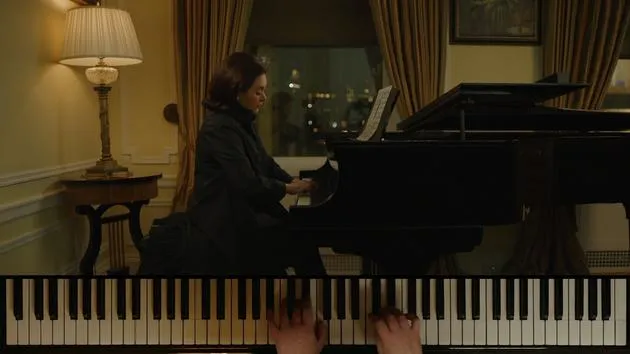
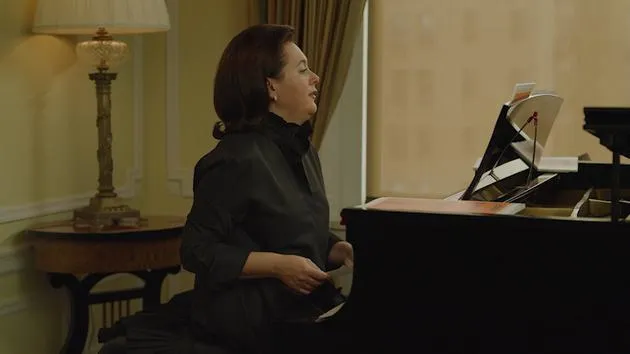
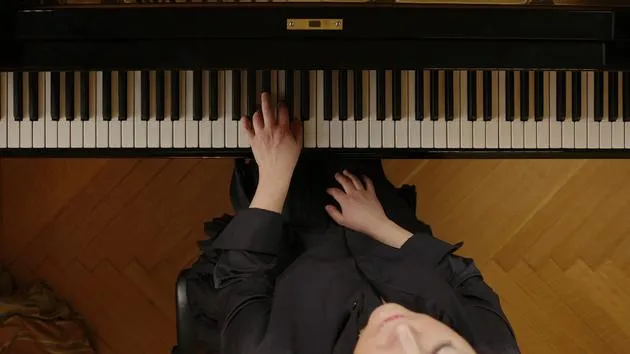
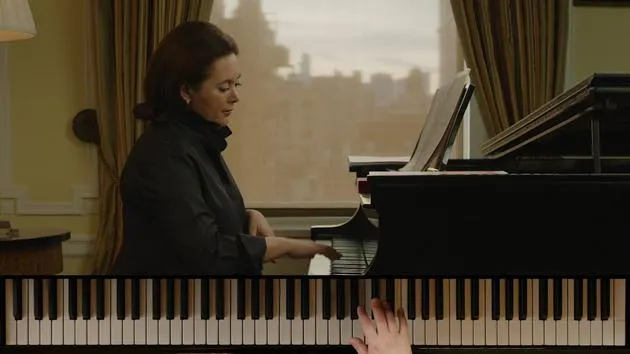
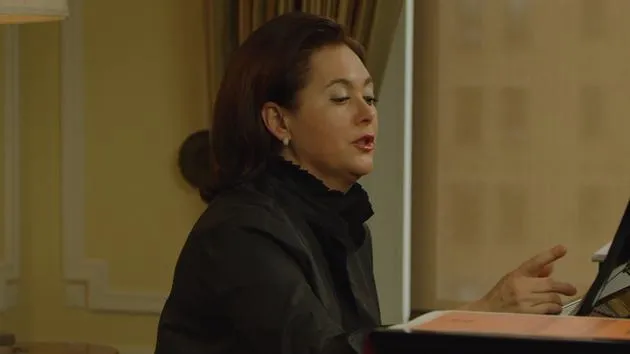
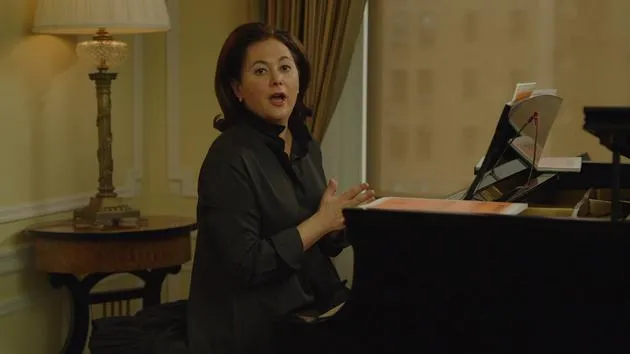
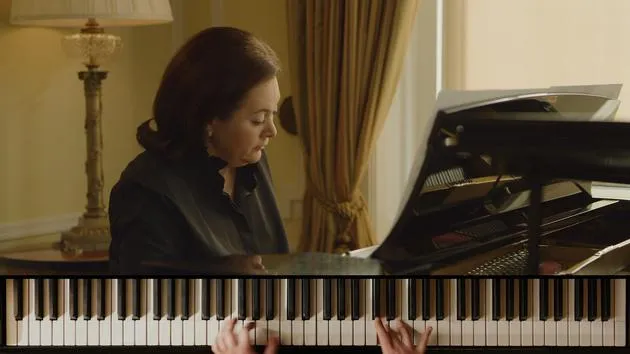
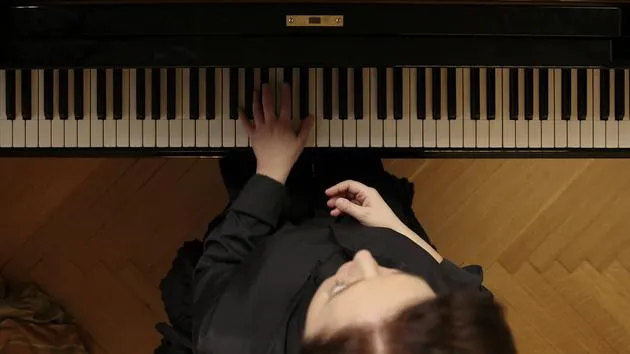
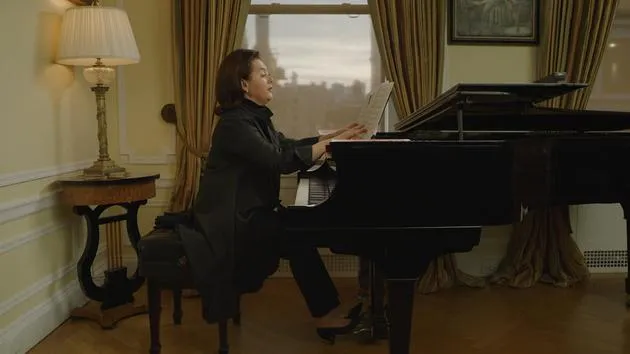
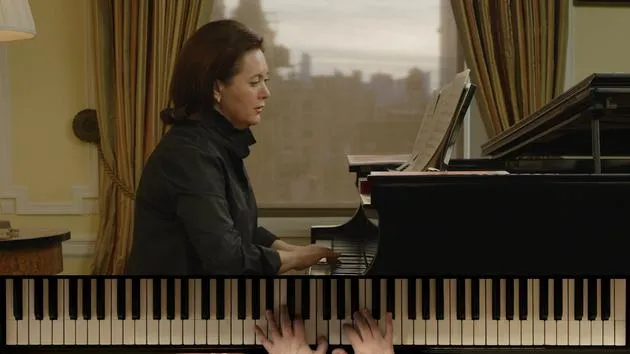
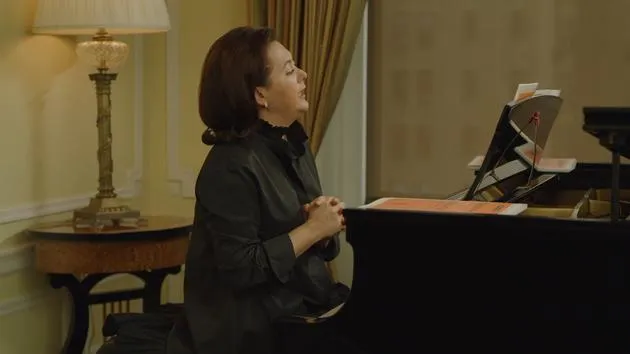
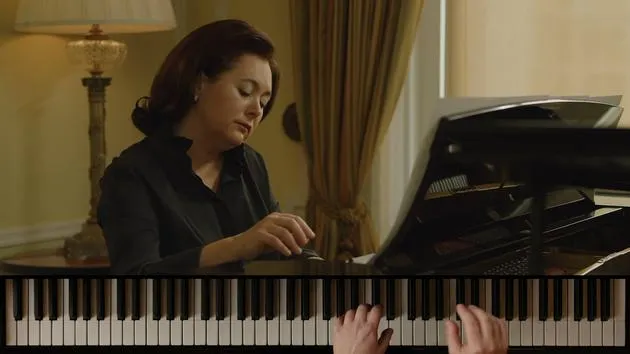
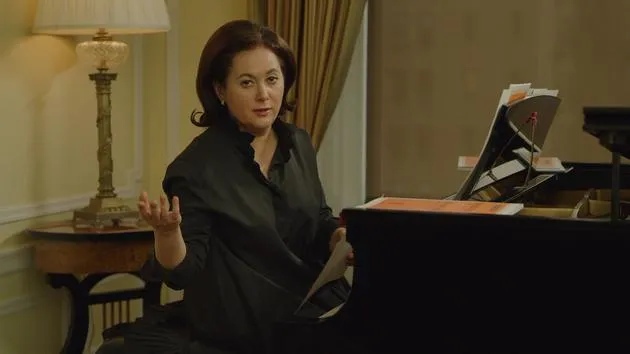
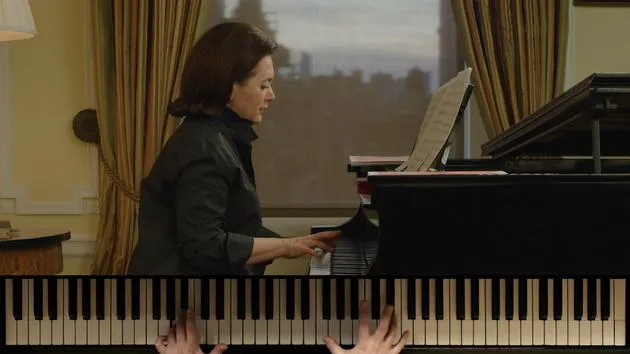
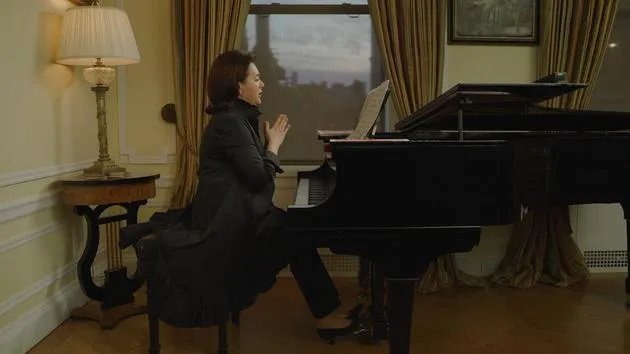
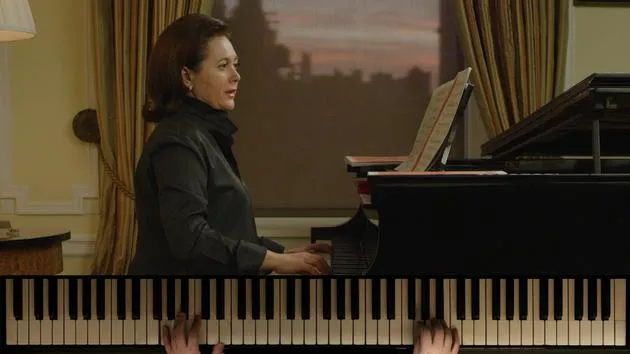
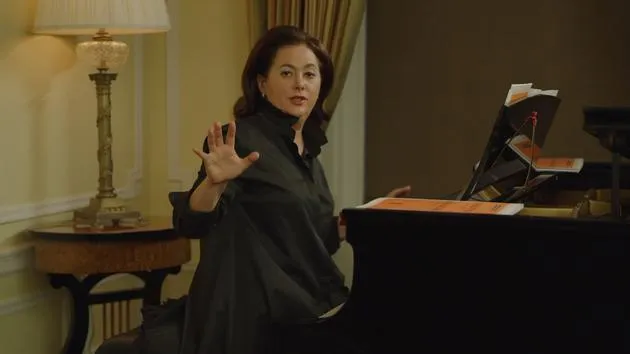
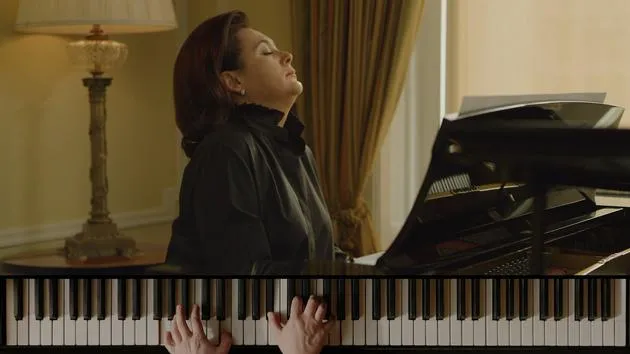
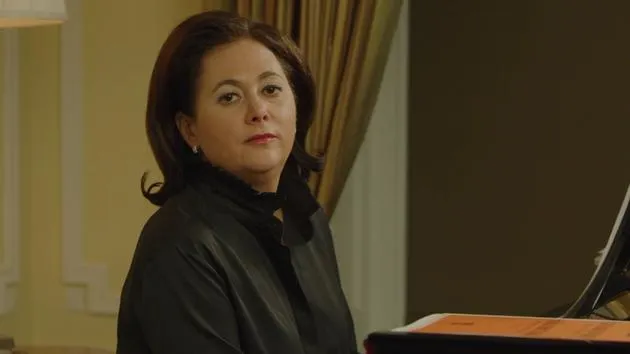
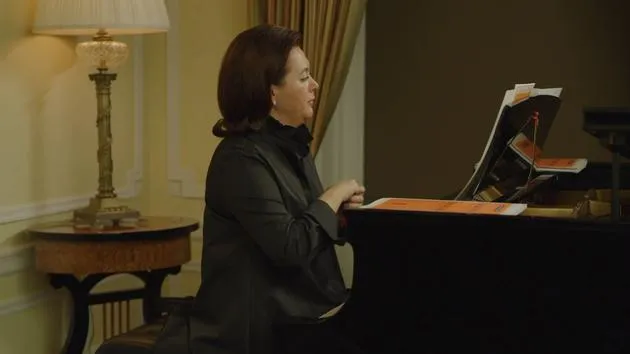
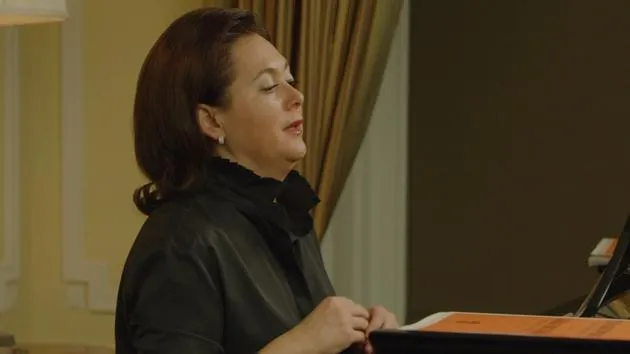
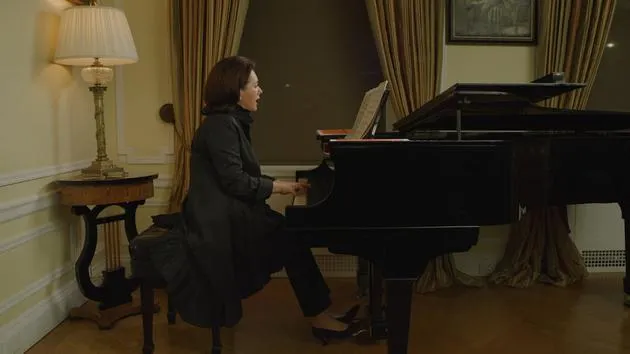
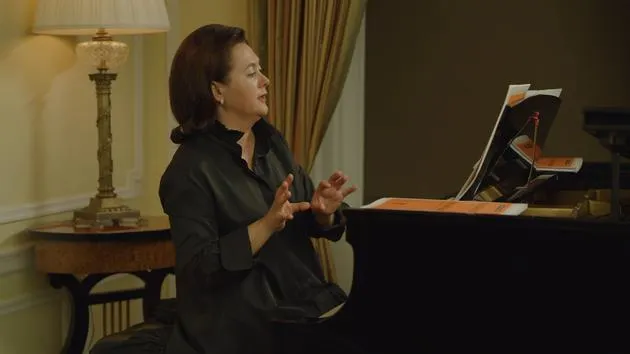
Julia Zilberquit spielt die Reprise des dritten Abschnitts von Tschaikowskis Oktober und gestaltet ihn pianissimo, während er in die verhaltene Coda übergeht.
Das steckt im Kurs
27 Lektionen (1h 57m) · 1 gratis
Transkript der Lektion
Third Section Overview
Now, let's dive into the third section, which is exactly the same as the first.
Dynamics and Emotion
In this case, I strongly suggest my students to use double piano. It is such a sad and profound recollection.
- I always provide an example:
- Imagine something that happened to the person in the first part.
- As they remember it, it becomes even more sad.
For me, this is a very pianissimo section.
Transition to the Coda
We repeat it exactly, and then we reach the coda starting from measure 50.
- Again, Tchaikovsky instructs us to play it double piano.
- Then, we have a shift to mirando, followed by four pianos.
Four pianos can be quite challenging, as we have never encountered it before. Therefore, I recommend starting with either:
- One piano
- Or perhaps even mezzo piano to give yourself some room to grow dynamically.
Symbolism in Chords
The chords in this section are very symbolic:
- Count them: 1, 2, 3, ... up to 11 chords.
They evoke imagery reminiscent of either a funeral procession or church bells. Just like the sounds following a funeral, it's crucial to be able to execute a diminuendo at the end of this passage.
- Start again at mezzo piano, gradually moving down to piano and then even softer.
- The final recitative, which is truly a mirando, should imitate a gentle dying away of the music, accented more to enhance the intonation.
Pedal Technique
I want to take a moment to discuss the pedal technique, which I didn't cover in the previous pieces, as it's fairly consistent.
- Here, I use a regular pedal, also known as the belated Olay pedal, which comes right after the beat.
For example, I would execute:
- Up, down, up, down, up, down.
When I have a bass line, I try to apply one pedal across everything. However, I ensure clarity for my right hand by sometimes pedaling on the beat:
- Up, down, up, down, up, down, etc.
I always encourage my students to practice the left hand or the accompaniment with the pedal. This practice is particularly beneficial.
Memory Considerations
As we progress to the final stages of learning the piece, I want to address a common concern, especially among my adult students: memory issues.
- Some students prefer not to play from memory, while others do.
Performance Insights
It's perfectly acceptable to have the music on the stand:
- If you wish to look at it, feel free, but make sure you're aware of your place in the score to avoid getting lost.
Be cautious of the delicate dynamic plan; avoid any real fortes.
Connecting to the Music
Many people struggle with expression in pieces that lack a specific program.
Often, they choose to reflect on:
- Personal memories
- Associations with a movie, book, or painting
For me, this music connects deeply with personal experiences, evoking a sense of expressive loneliness, a profound beauty that is hard to describe with words.
Therefore, I always ask my students to consider:
- "What can you think or feel that will help you enter that particular mood?"
This connection is essential for delivering a heartfelt performance of this piece.
27 Lektionen
1 Std. 57 Min. strukturierte Videolektionen
Erweiterte Videofunktionen
Verlangsamen, Passagen loopen, mitlesen
Handy, Tablet & Desktop
Üben, wo du willst
100 % Zufriedenheitsgarantie
30 Tage Geld-zurück-Garantie
Lern deinen Guru kennen
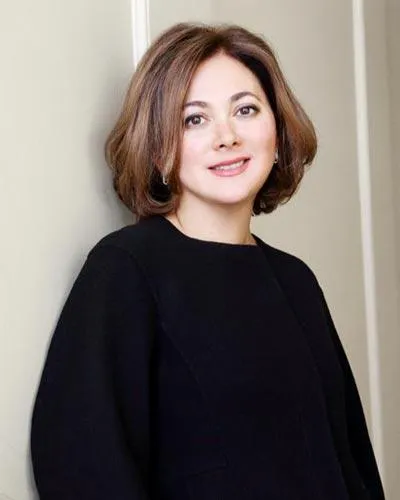
Lern deinen Guru kennen
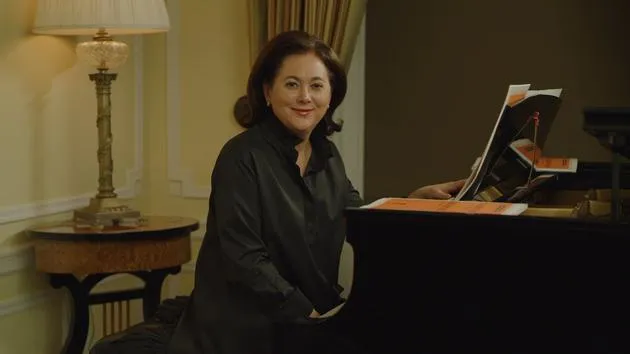
Die in Russland geborene amerikanische Pianistin Julia Zilberquit hat als Rezitalistin, Kammermusikerin und Aufnahmekünstlerin große Anerkennung von der Kritik erhalten. The New York Times pries sie nach ihrer Aufführung von Cesar Francks sinfonischer Dichtung Les Djinns für Klavier und Orchester mit Leon Botstein und dem American Symphony Orchestra in der Carnegie Hall als "herausragende Solistin".
2014 veröffentlichte Warner Classics ihre CD Bach: Complete Solo Keyboard Concertos. Diese Aufnahme enthält die Erstaufführung zweier Bach-Vivaldi Concerti Grossi, die Frau Zilberquit für Klavier und Orchester bearbeitet hat, und wurde vom renommierten Gramophone Magazine als "herrliche Wiedergabe" gefeiert. Ihre Bearbeitung von Schostakowitschs Concertino für 2 Klaviere, Op. 94 für Klavier und Orchester wurde in der Carnegie Hall uraufgeführt; sie hat es weltweit mit großem kritischen Erfolg aufgeführt und mit Vladimir Spivakov und den Moscow Virtuosi aufgenommen. Zu weiteren Aufnahmen zählt eine Soloeinspielung, The Mystery of Bagatelles, veröffentlicht von Naxos. Die CD wurde von The Washington Post als "hervorragende Darbietung" gelobt und im Londoner Piano Magazine als "kühnes Programm, das mit ungewöhnlicher Klarheit und pointillistischer Leuchtkraft funkelt" beschrieben.
Ihre Rezitale fanden in bedeutenden Konzertsälen statt, darunter die Weill Recital Hall der New Yorker Carnegie Hall, das 92nd Street Y und die Alice Tully Hall im Lincoln Center. Zu ihren Engagements bei großen internationalen Musikfestivals zählen Auftritte in Seattle, Colmar (Frankreich), Klangbogen (Wien), Valery Gergievs "White Nights" (St. Petersburg), Richters "December Nights" (Moskau), "The Palaces of St. Petersburg", das Bard Music Festival in New York und das Penderecki Festival (Polen).
Julia Zilberquit stammt aus Moskau und wurde in eine Musikerfamilie hineingeboren. Sie schloss ihr Studium an der Moscow Gnessin School of Music und an The Juilliard School (Klasse von Bella Davidovich) ab. Sie lebt mit ihrem Mann, ihrem Sohn und ihrer Tochter in New York City.
In diesem Kurs schöpft sie aus dieser Kunstfertigkeit, um dich durch vier Sätze aus Tschaikowskis "Die Jahreszeiten" - März, April, Juni und Oktober - zu führen, damit du ihre Poesie und ihre Farbe am Klavier selbst gestalten kannst.







