



Erster Teil
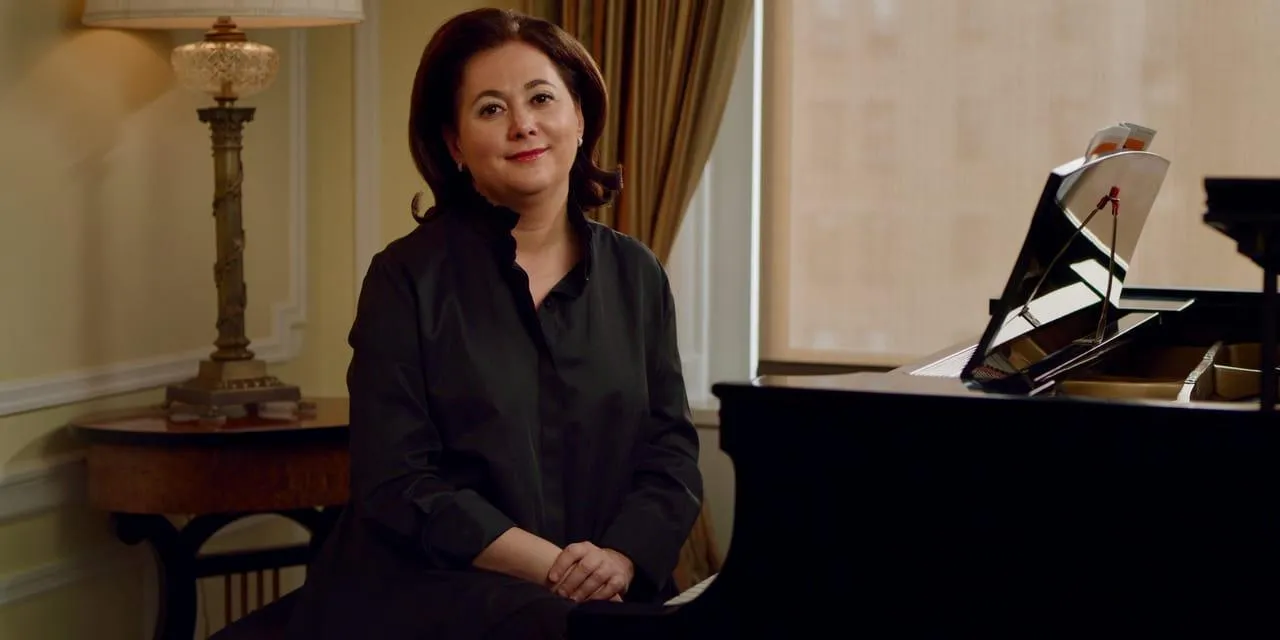
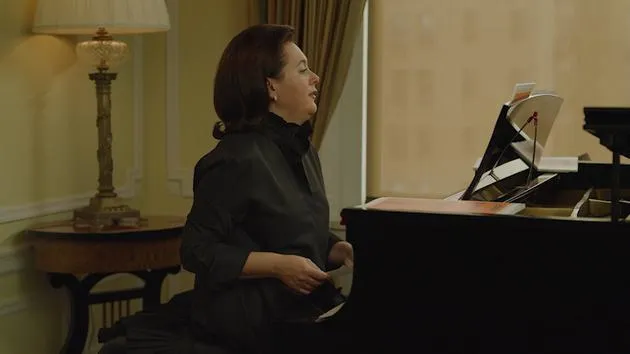
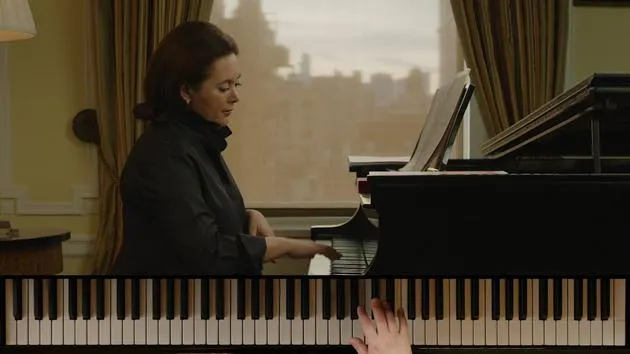
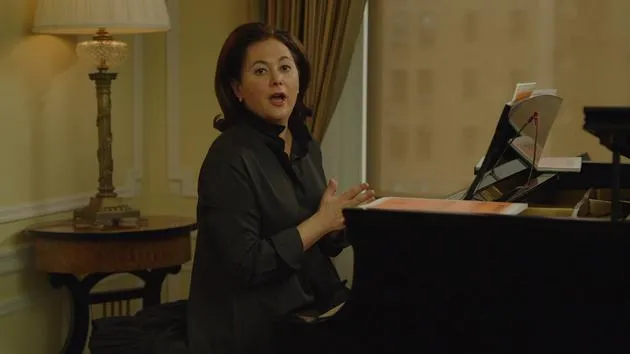
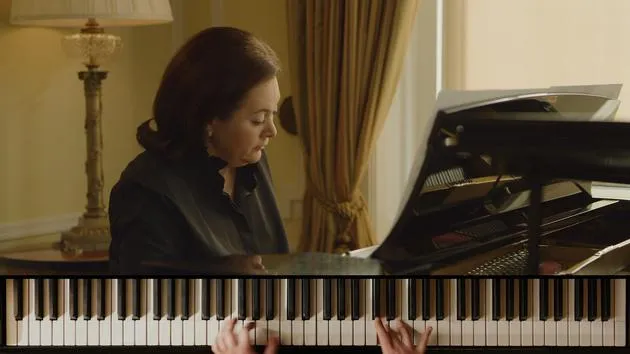
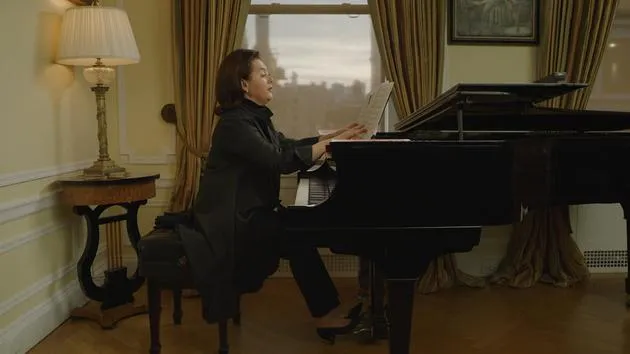
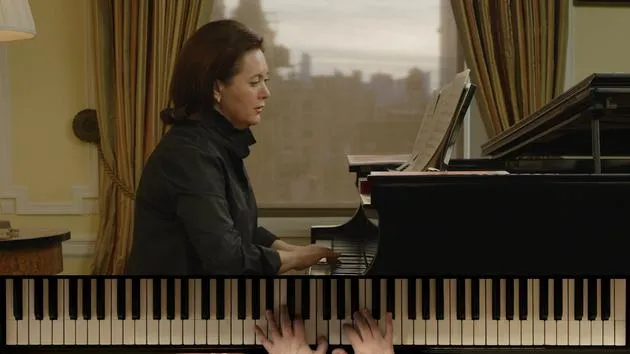
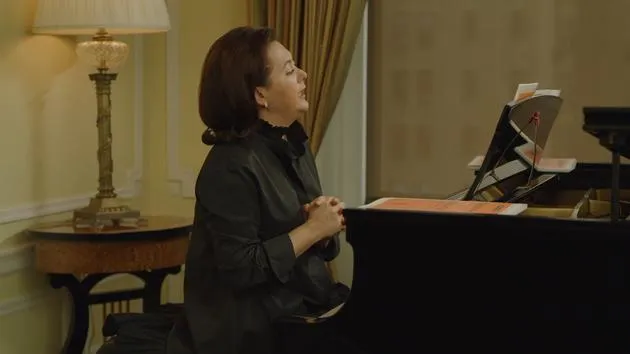
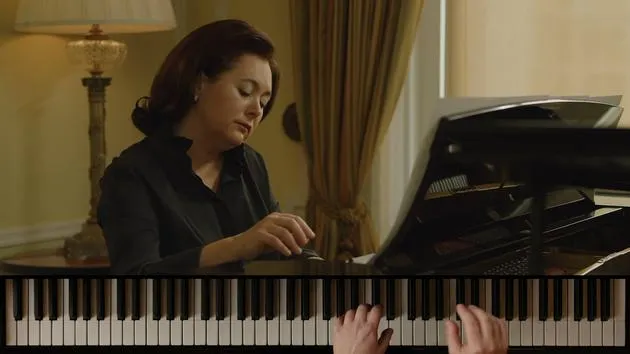
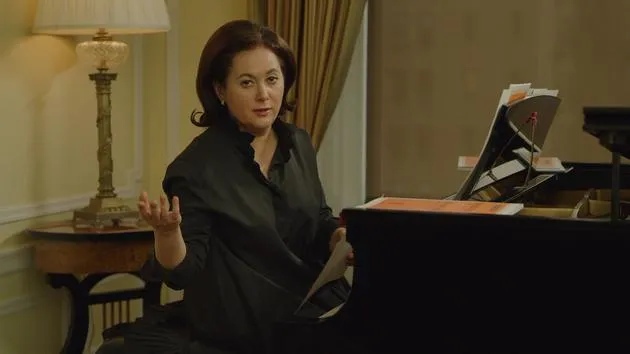
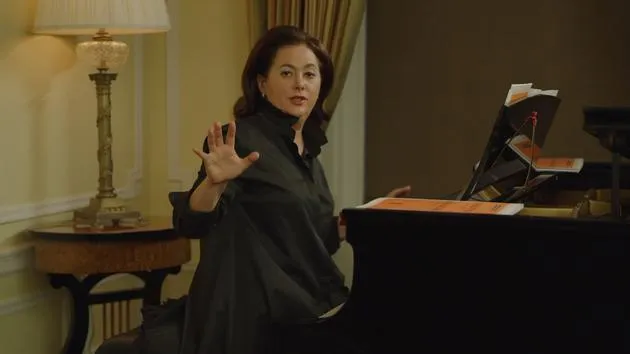
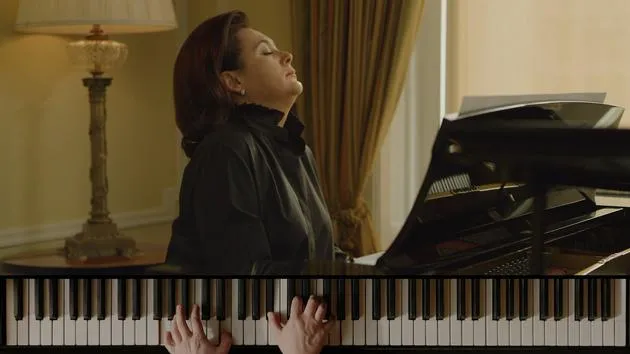
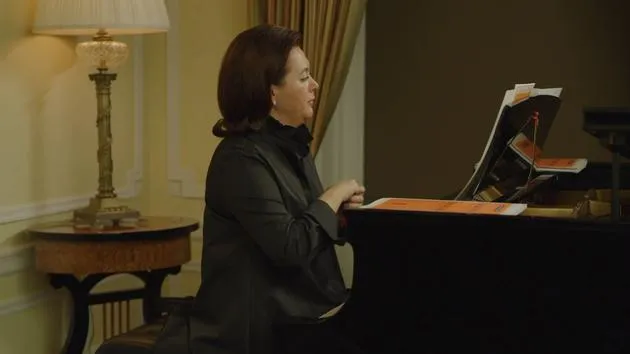
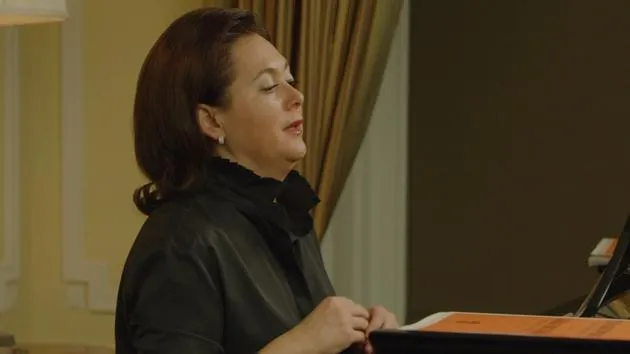
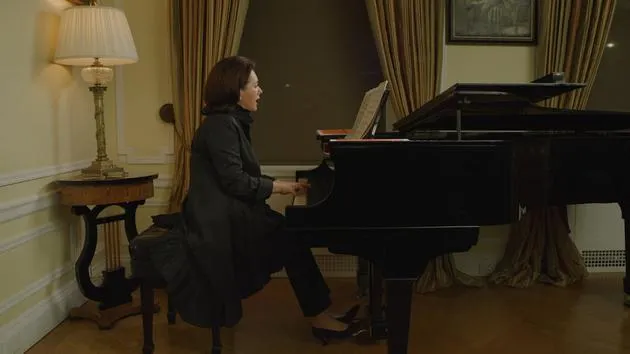
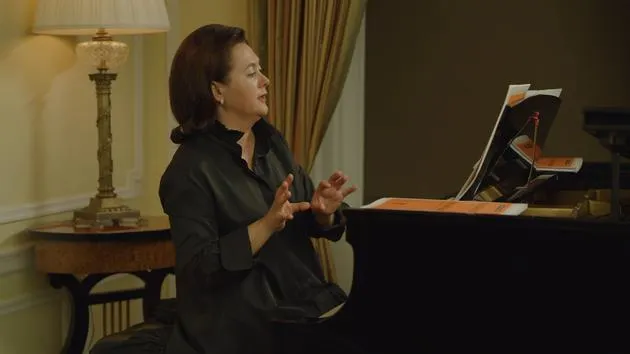
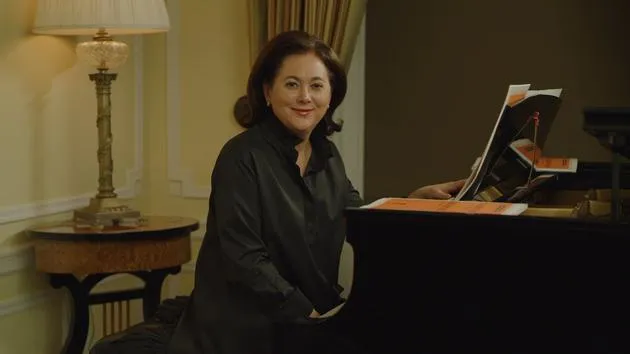
Julia Zilberquit führt dich durch den Anfang von Tschaikowskis 'October: Autumn Song', von der schlichten Melodie über den Wechsel von Legato zu Portamento bis zur Polyphonie in der linken Hand.
Das steckt im Kurs
27 Lektionen (1h 57m) · 1 gratis
Transkript der Lektion
October Music Lesson: Exploring Tchaikovsky's Melody
So we start October with a very simple, pure melody, which is so beautiful. It goes on for the first four measures. Then Tchaikovsky does what he loves to do:
- He changes from legato to portamento.
- We absolutely must show this.
- He's doing a poco crescendo, just a little bit, a hint of the crescendo; it's not a real crescendo.
We also have to pay attention to:
- The moving descending bass
- The polyphony in the left hand
Again, there's a lot of polyphony here. We need to ensure we always hold the bass, as it forms that sonority with the lower note and the chord.
Crescendo and Diminuendo
As we come into the seventh measure, we see a bit of crescendo right away with diminuendo. You see those accents in measure eight, they're like sighs or breathing that Tchaikovsky does.
Now, there is a lot of rubato and ritardando in this piece, but there is a common danger: people often do a rubato or ritardando or slowing down every two measures. So, it's essential to keep one tempo in mind. Yes, some rubatos are good, but it's important to maintain your width and pace.
Shifting Melody
From measure nine, the melody transitions to the left hand, which has the difficult task of both accompanying and carrying the melody. I always ask my students to play the left hand in measures 9, 10, 11, and 12, and even further down with two hands.
Melody Breakdown
- Here's how it's going to sound: Only after we hear it can we do all three voices together.
- The left hand carries the melody in the middle voice, while the right hand presents a sort of question-and-answer or sub-melody, with accompaniment.
This means it all must be learned separately. I always want to hear the melody.
Hand Arrangement Techniques
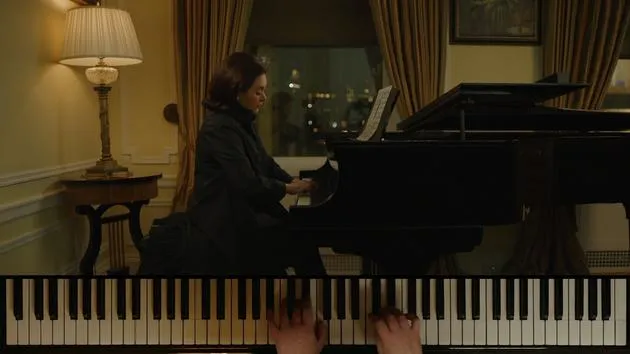
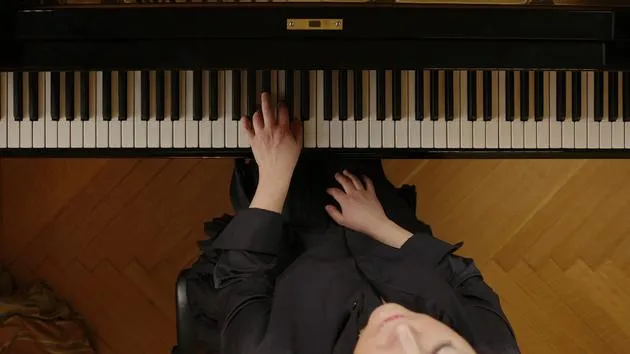
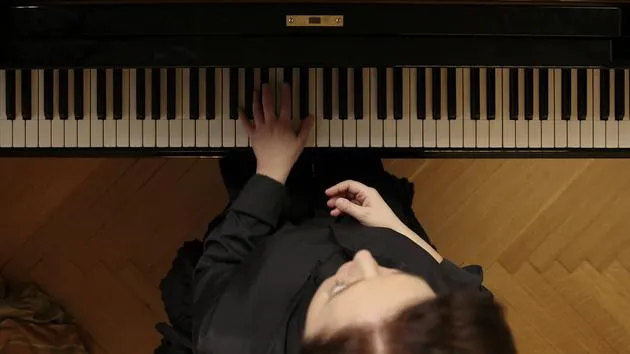
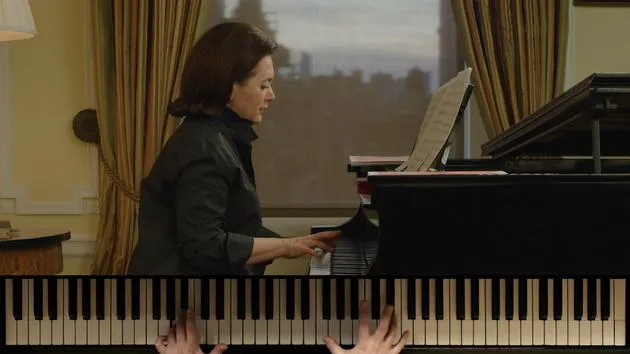
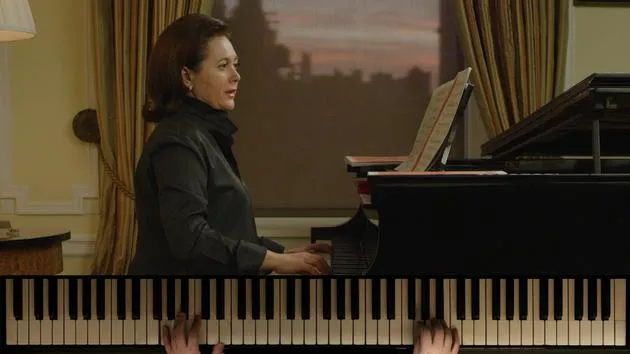
Now, here's something I want to share with you, and you probably saw me doing it: I rearrange the hands to play the melody better. Many elements that are written in the left hand, I take into the right hand, and I think it really helps to create that line.
Measure by Measure Analysis
I want to show you throughout the piece what I am doing, measure by measure:
- In measure ten, and especially in measure eleven, that arpeggiato: I always take the B flat in the right hand. Sometimes I even move the previous C from measure ten to the right hand. Therefore, I have two sixths which I will show you slowly.
- My arpeggiato is much faster and I can control the thumb of the right hand better.
For measure twelve, I take the second beat, two eighth notes, and then the third and fourth beat, the quarter notes, from the middle voice to the right hand. This way, it allows me to control it better, and also my left hand doesn't need to struggle.
The same technique applies in measures thirteen and fourteen: Here, I take the last two notes in the right hand and also the upper C in the left hand.
In measure fifteen, I also move that to the right hand. This really allows me to create much smoother lines.
Dynamics and Considerations
Now, since we stopped at measures thirteen and fourteen, he says "poco pi? forte." We see it's major; it's lighter, with that question-and-answer aspect and the portamento thing in minor, then again those psis.
In measure sixteen, I usually do this on the E at the end of the second beat: I use the third finger and change to the fifth finger just to hold the chord.
Before finishing with the first section, I want to emphasize one very important thing:
There is no forte in this section. When he says "poco pi? forte" in measure thirteen, he means more or louder than piano, so please bear that in mind.
27 Lektionen
1 Std. 57 Min. strukturierte Videolektionen
Erweiterte Videofunktionen
Verlangsamen, Passagen loopen, mitlesen
Handy, Tablet & Desktop
Üben, wo du willst
100 % Zufriedenheitsgarantie
30 Tage Geld-zurück-Garantie
Lern deinen Guru kennen

Lern deinen Guru kennen
Die in Russland geborene amerikanische Pianistin Julia Zilberquit hat als Rezitalistin, Kammermusikerin und Aufnahmekünstlerin große Anerkennung von der Kritik erhalten. The New York Times pries sie nach ihrer Aufführung von Cesar Francks sinfonischer Dichtung Les Djinns für Klavier und Orchester mit Leon Botstein und dem American Symphony Orchestra in der Carnegie Hall als "herausragende Solistin".
2014 veröffentlichte Warner Classics ihre CD Bach: Complete Solo Keyboard Concertos. Diese Aufnahme enthält die Erstaufführung zweier Bach-Vivaldi Concerti Grossi, die Frau Zilberquit für Klavier und Orchester bearbeitet hat, und wurde vom renommierten Gramophone Magazine als "herrliche Wiedergabe" gefeiert. Ihre Bearbeitung von Schostakowitschs Concertino für 2 Klaviere, Op. 94 für Klavier und Orchester wurde in der Carnegie Hall uraufgeführt; sie hat es weltweit mit großem kritischen Erfolg aufgeführt und mit Vladimir Spivakov und den Moscow Virtuosi aufgenommen. Zu weiteren Aufnahmen zählt eine Soloeinspielung, The Mystery of Bagatelles, veröffentlicht von Naxos. Die CD wurde von The Washington Post als "hervorragende Darbietung" gelobt und im Londoner Piano Magazine als "kühnes Programm, das mit ungewöhnlicher Klarheit und pointillistischer Leuchtkraft funkelt" beschrieben.
Ihre Rezitale fanden in bedeutenden Konzertsälen statt, darunter die Weill Recital Hall der New Yorker Carnegie Hall, das 92nd Street Y und die Alice Tully Hall im Lincoln Center. Zu ihren Engagements bei großen internationalen Musikfestivals zählen Auftritte in Seattle, Colmar (Frankreich), Klangbogen (Wien), Valery Gergievs "White Nights" (St. Petersburg), Richters "December Nights" (Moskau), "The Palaces of St. Petersburg", das Bard Music Festival in New York und das Penderecki Festival (Polen).
Julia Zilberquit stammt aus Moskau und wurde in eine Musikerfamilie hineingeboren. Sie schloss ihr Studium an der Moscow Gnessin School of Music und an The Juilliard School (Klasse von Bella Davidovich) ab. Sie lebt mit ihrem Mann, ihrem Sohn und ihrer Tochter in New York City.
In diesem Kurs schöpft sie aus dieser Kunstfertigkeit, um dich durch vier Sätze aus Tschaikowskis "Die Jahreszeiten" - März, April, Juni und Oktober - zu führen, damit du ihre Poesie und ihre Farbe am Klavier selbst gestalten kannst.







