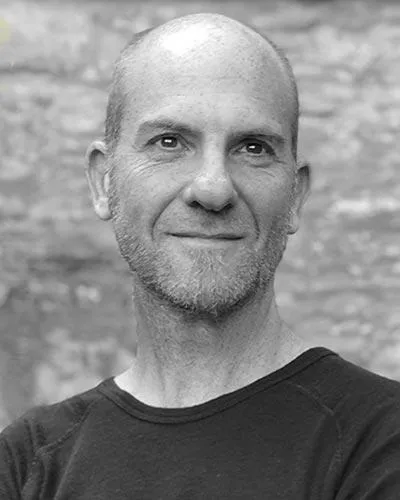
Was macht ein Produzent? – Andrew Hunt

Mit
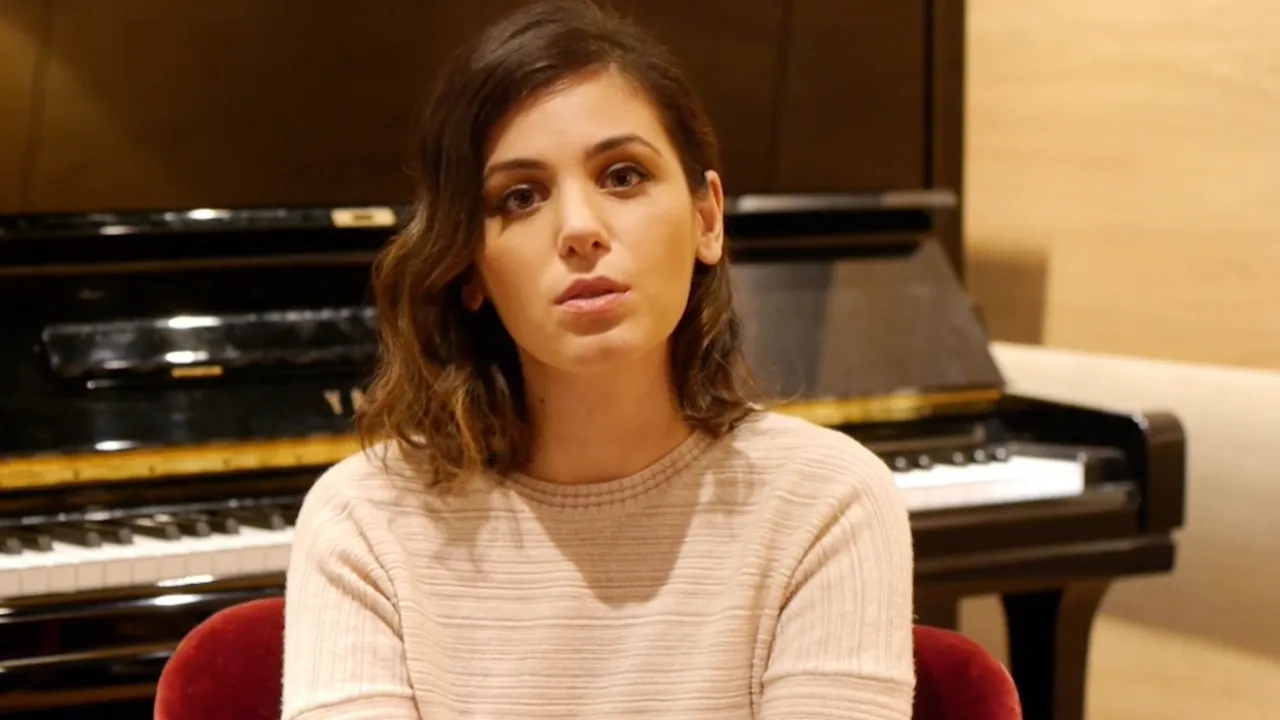
Katie MeluaAndrew Hunt von der Music Producers Guild erklärt, wie sich die Rolle des Produzenten vom Leiten der Session hin zum kreativen Partner und Mentor entwickelt hat.
Das steckt im Kurs
40 Lektionen (2h 33m) · 1 gratis
01. Der Einstieg: Open Mics und unbezahlte Gigs
2:10
02. Zu lokalen Helden werden und Touren buchen
6:12
03. Kreativ werden bei Auftritten
3:44
04. Bühnenpräsenz – Jeremy von Everything Everything
2:21
05. Aus deinem Publikum Kapital schlagen
4:50
06. Direkt mit Fans in Kontakt treten
5:32
07. Dein Online-Publikum kennen und Daten effektiv nutzen
10:31
01. Was macht ein Produzent? – Andrew Hunt
Du bist hier3:41
02. Wie du einen Produzenten findest
5:08
03. Produktionshilfe bekommen, ohne Geld zu haben
3:43
04. Einen Deal mit einem Produzenten vereinbaren
3:43
05. Der Produktionsprozess Schritt für Schritt
11:34
06. Sich von erfahreneren Mitwirkenden nicht übergangen fühlen
1:17
Transkript der Lektion
Music Production Insights from Andrew Hunt
Introduction
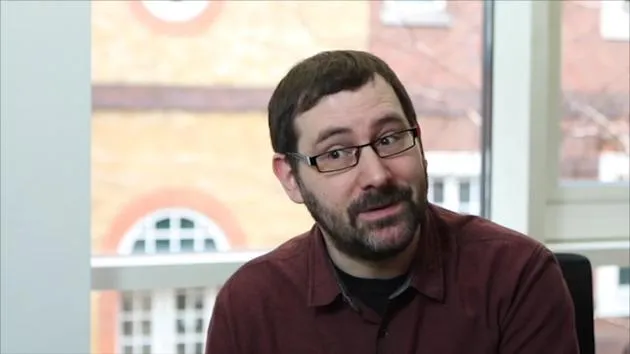
My name is Andrew Hunt. I'm a record producer, engineer, musician, and the executive director of the Music Producers Guild. The Music Producers Guild is an organization established to address the needs of:
- Producers
- Engineers
- Mastering engineers
- Remixers
- Programmers
...and anyone else working within the industry on that side of it. It operates similarly to the Musicians' Union or the FAC, but is specifically tailored for producers and engineers.
The Role of a Producer
Producing is not just about sound; it encompasses various aspects, including:
- Project management
- Finding the right studio
- Locating the right players
- Managing budgets
...and having a vision for the soundscape.
As budgets have become increasingly tighter, producers have had to take on more responsibilities. Personally, I program, engineer, make beats, and produce. However, there are producers who historically acted as coordinators, contacting the right musicians at the right time without having a significant audible contribution to the recording process.
Equipment vs. Skill
Some believe that having the right equipment guarantees a great record. I genuinely think that's nonsense. The key factors in making a great record are:
- Your ears
- Your experience
- Understanding how sound changes
For instance, if you place a microphone here, how does it sound? Place it there, what changes?
While I appreciate quality gear, if you gave me a small desk and a few affordable mics, I could produce a decent record.
My Tools and Process
I primarily use Pro Tools as my Digital Audio Workstation (DAW). However, I firmly believe that great recordings can be made with budget gear. You wouldn't want to rely solely on that, but it's possible.
As you advance in your skills, you start to recognize the limits of your equipment. You may become bored with a certain piece, leading you to seek new tools that can push your creativity. My journey involves:
- Improving knowledge
- Sharpening ears
- Changing tastes
The various pieces of equipment you acquire really just represent your evolving preferences. They don't make the record; you still have to create it.
The Importance of Details
While subtleties in choosing equipment can enhance a record, lacking skills will hinder your ability to make the most of any gear, as you won't grasp the nuances between different pieces of equipment.
Before starting a project, I try to establish a vision for the record, similar to how a designer creates a mood board. This is crucial because:
- It's easy to get sidetracked by exciting new sounds in the studio.
- Reviewing the initial vision helps to determine if we are deviating from our goals.
While happy accidents can sometimes yield fantastic results, it's important to stay aligned with the original intent.
Collaboration in the Studio
The creative process should always be collaborative. My goal isn't to alter their record into something different; it's to make the best record I can for them. We learn from each other, bounce ideas off one another, and strive for excellence together.
40 Lektionen
2 Std. 33 Min. strukturierte Videolektionen
Erweiterte Videofunktionen
Verlangsamen, Passagen loopen, mitlesen
Handy, Tablet & Desktop
Üben, wo du willst
100 % Zufriedenheitsgarantie
30 Tage Geld-zurück-Garantie
Lern deinen Guru kennen
Lern deinen Guru kennen
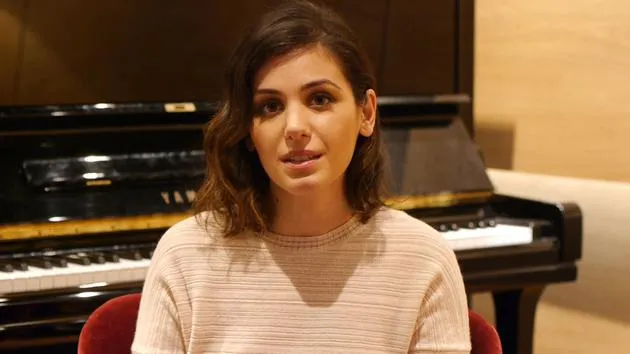
Katie Melua zählt zu den erfolgreichsten Künstlerinnen Großbritanniens – mit über 11 Millionen verkauften Alben weltweit und einer Reihe von Multi-Platin-Veröffentlichungen. Geboren 1984 als Ketevan Melua im georgischen Kutaissi, zog sie als Kind mit ihrer Familie nach Belfast und studierte später an der BRIT School in London, wo sie vom Songwriter und Produzenten Mike Batt entdeckt wurde.
Ihr Debütalbum 'Call Off the Search' (2003), veröffentlicht mit 19 Jahren, stand sechs Wochen auf Platz 1 der britischen Charts und wurde mit Sechsfach-Platin ausgezeichnet – angetrieben von der Hitsingle 'The Closest Thing to Crazy'. Der Nachfolger 'Piece by Piece' (2005) führte europaweit die Charts an und enthielt ihren bekanntesten Song 'Nine Million Bicycles'. 2006 schaffte sie es ins Guinness-Buch der Rekorde: mit dem tiefsten Unterwasserkonzert aller Zeiten, 303 Meter unter dem Meeresspiegel auf einer Gasplattform in der Nordsee.
Es folgte eine beeindruckende Serie von Top-Ten-Alben – 'Pictures' (2007), das von William Orbit produzierte 'The House' (2010), 'Secret Symphony' (2012) und 'Ketevan' (2013) –, in denen Melua einen Sound verfeinerte, der sich mühelos zwischen Jazz, Folk und klassischem Pop-Songwriting bewegt. 'In Winter' (2016), aufgenommen in Georgien mit dem Gori Women's Choir und von ihr selbst produziert, offenbarte eine neue Tiefe ihres Könnens.
Ihre jüngsten Werke sind ihre persönlichsten: 'Album No. 8' (2020) und 'Love & Money' (2023) erhielten einige der besten Kritiken ihrer Karriere, und 'Live at the Royal Albert Hall' (2024) feierte zwei Jahrzehnte an der Spitze der britischen Musik. Live bleibt sie eine fesselnde Künstlerin, die regelmäßig in Europa und darüber hinaus auf Tour ist.