Die Entwicklung eines Teams – Rat einholen, einstellen und entlassen

Mit
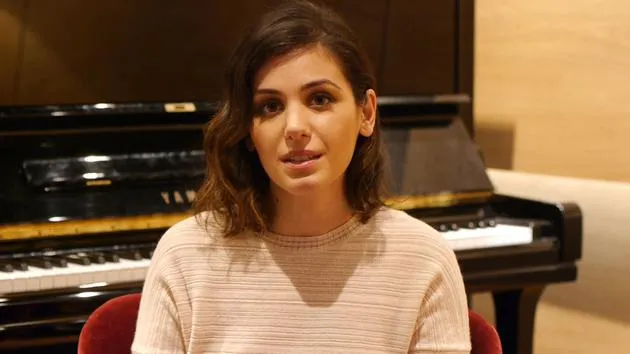
Katie Melua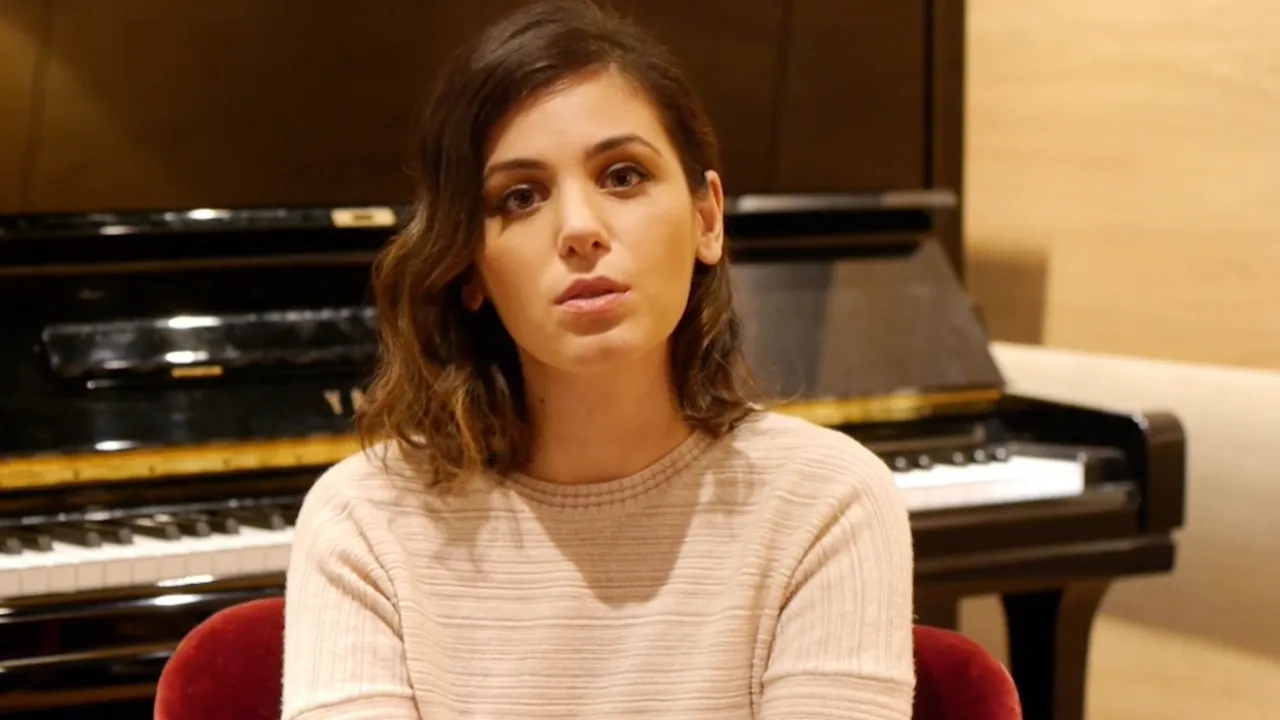
Das steckt im Kurs
40 Lektionen (2h 33m) · 1 gratis
01. Der Einstieg: Open Mics und unbezahlte Gigs
2:10
02. Zu lokalen Helden werden und Touren buchen
6:12
03. Kreativ werden bei Auftritten
3:44
04. Bühnenpräsenz – Jeremy von Everything Everything
2:21
05. Aus deinem Publikum Kapital schlagen
4:50
06. Direkt mit Fans in Kontakt treten
5:32
07. Dein Online-Publikum kennen und Daten effektiv nutzen
10:31
01. Was macht ein Produzent? – Andrew Hunt
3:41
02. Wie du einen Produzenten findest
5:08
03. Produktionshilfe bekommen, ohne Geld zu haben
3:43
04. Einen Deal mit einem Produzenten vereinbaren
3:43
05. Der Produktionsprozess Schritt für Schritt
11:34
06. Sich von erfahreneren Mitwirkenden nicht übergangen fühlen
1:17
Transkript der Lektion
Building a Successful Team in Music
At the very beginning, there were no such things as teams. I did my own makeup, my own styling, my own production, I chose my own material, and I did my own tour managing. I did it all myself.
Learning Through Experience
I learned through trial and error how to do everything. However, this experience showed me what I needed in someone else because I gained insight into the jobs involved.
- Delegation is Key: I feel like I need more people doing a little bit less, with more diversification in the team to fill in those gaps.
One of the best pieces of advice I received was from Richard Branson. When I asked him, "What's the secret of your success?" he replied:
"Delegation. If you can find somebody who does something better than you, get them to do it."
That was the best advice.
The Beginning of the Journey
We started with five of us and quickly attracted a following in Oxford.
- Chris Hufford, the owner of the local 24-track studio, approached us saying, "I want to record you."
- He had a partner he had been in a band with called Bright Edge. Initially, they just wanted to record us and press 1000 EPs.
They began taking the tapes out to record companies. We realized we needed management. After visiting various management companies and not feeling right about any, we suggested:
"Why don't you guys manage us?"
And that's where it all began.
Building a Team
We quickly secured an agent, Charlie Myatt, who has been with us forever, as has our road crew. It's crucial to choose the right people; everyone you pick is really, really important.
Early Challenges
I signed my first contract when I was 16. I was underage and had no legal advice. My father had to sign it for me. He was a lovely man and a welder, but he didn't understand the law or the music business, which was still relatively non-existent back then.
The manager at the time came to me because I was discovered by a guy named Adam Faith, who was an established artist:
- Adam wanted to manage me himself but, due to his busy schedule, he did it through her, leading to double percentages, both for her and for him.
Importance of Legal Support
The most crucial person for me has always been a lawyer. Those bits of paper, the contracts, can either enable or disable you.
- Be sure they are flexible and suit your needs.
- It's important to conduct thorough due diligence on any contracts.
When we had a management contract, we reached out to who we believed was the best lawyer at the time, John Kennedy, back in '92.
"Listen, we don't have enough money to pay you now, but when we secure a recording contract, can we pay you then?"
He agreed and handled all our legal matters.
Managing Conflicts
When conflict arises, it's essential to maintain respect and listen to each other.
- If you can't see eye to eye, you may need to part ways. Relationships that don't allow you to be yourself may need to end.
"Managers are very reluctant to let artists go. It's a bit like farmers who don't like to part with any land, even if they don't want it anymore."
When an artist decides to move on, it can become challenging. You must be clear-headed and understand that clinging to a relationship that isn't moving forward benefits neither party.
Handling Breakups Gracefully
I don't prefer to handle breakups face to face. I communicate directly to say it's over, then ask someone to follow up to ensure the other party feels respected.
It's crucial to maintain a feeling of gratitude for everyone who has been part of your journey, even if experiences weren't positive:
"If you're a truly creative person, you will learn even from the rough stuff."
Keeping this mindset fosters joy, allowing you to remain an artist with something to give.
40 Lektionen
2 Std. 33 Min. strukturierte Videolektionen
Erweiterte Videofunktionen
Verlangsamen, Passagen loopen, mitlesen
Handy, Tablet & Desktop
Üben, wo du willst
100 % Zufriedenheitsgarantie
30 Tage Geld-zurück-Garantie
Lern deinen Guru kennen
Lern deinen Guru kennen
Katie Melua zählt zu den erfolgreichsten Künstlerinnen Großbritanniens – mit über 11 Millionen verkauften Alben weltweit und einer Reihe von Multi-Platin-Veröffentlichungen. Geboren 1984 als Ketevan Melua im georgischen Kutaissi, zog sie als Kind mit ihrer Familie nach Belfast und studierte später an der BRIT School in London, wo sie vom Songwriter und Produzenten Mike Batt entdeckt wurde.
Ihr Debütalbum 'Call Off the Search' (2003), veröffentlicht mit 19 Jahren, stand sechs Wochen auf Platz 1 der britischen Charts und wurde mit Sechsfach-Platin ausgezeichnet – angetrieben von der Hitsingle 'The Closest Thing to Crazy'. Der Nachfolger 'Piece by Piece' (2005) führte europaweit die Charts an und enthielt ihren bekanntesten Song 'Nine Million Bicycles'. 2006 schaffte sie es ins Guinness-Buch der Rekorde: mit dem tiefsten Unterwasserkonzert aller Zeiten, 303 Meter unter dem Meeresspiegel auf einer Gasplattform in der Nordsee.
Es folgte eine beeindruckende Serie von Top-Ten-Alben – 'Pictures' (2007), das von William Orbit produzierte 'The House' (2010), 'Secret Symphony' (2012) und 'Ketevan' (2013) –, in denen Melua einen Sound verfeinerte, der sich mühelos zwischen Jazz, Folk und klassischem Pop-Songwriting bewegt. 'In Winter' (2016), aufgenommen in Georgien mit dem Gori Women's Choir und von ihr selbst produziert, offenbarte eine neue Tiefe ihres Könnens.
Ihre jüngsten Werke sind ihre persönlichsten: 'Album No. 8' (2020) und 'Love & Money' (2023) erhielten einige der besten Kritiken ihrer Karriere, und 'Live at the Royal Albert Hall' (2024) feierte zwei Jahrzehnte an der Spitze der britischen Musik. Live bleibt sie eine fesselnde Künstlerin, die regelmäßig in Europa und darüber hinaus auf Tour ist.