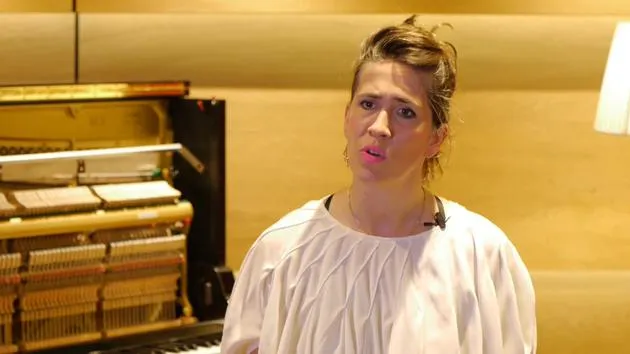
Selbstveröffentlichung – Roxanne de Bastion

Mit
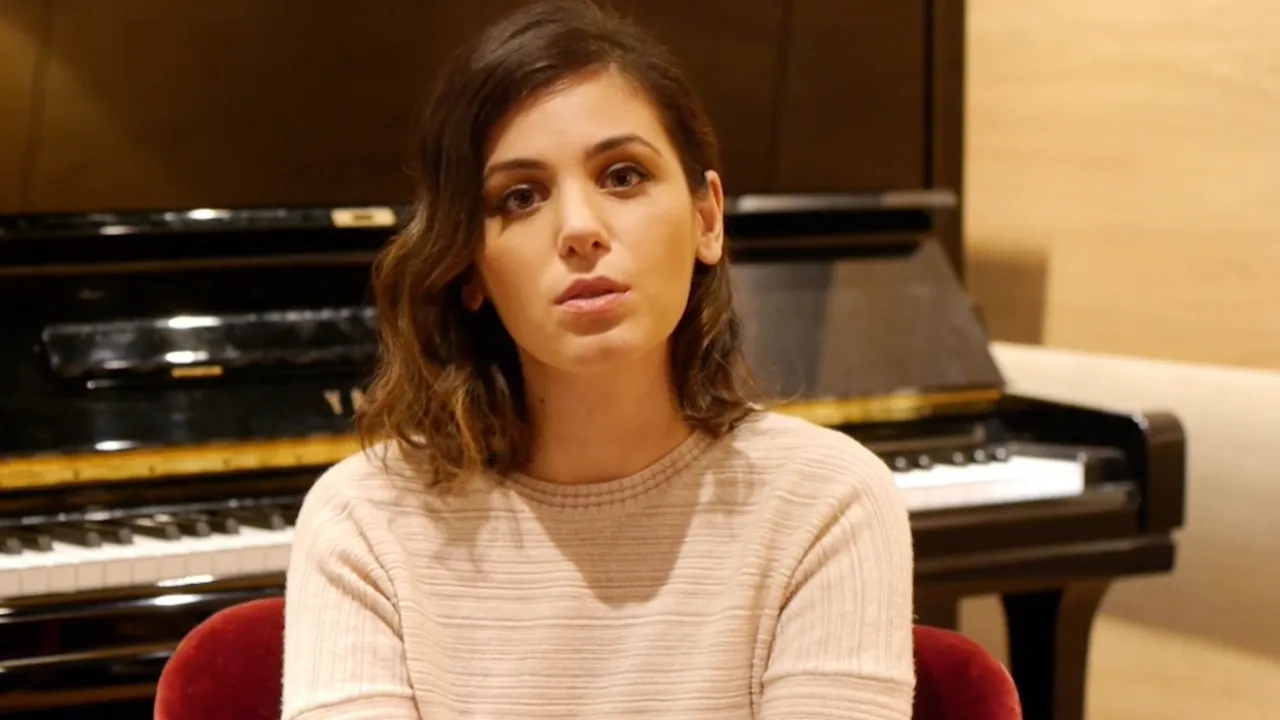
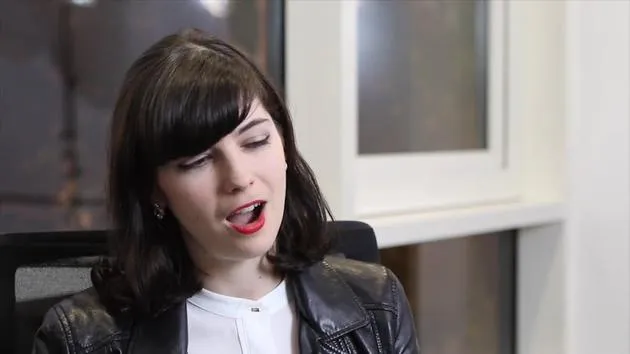
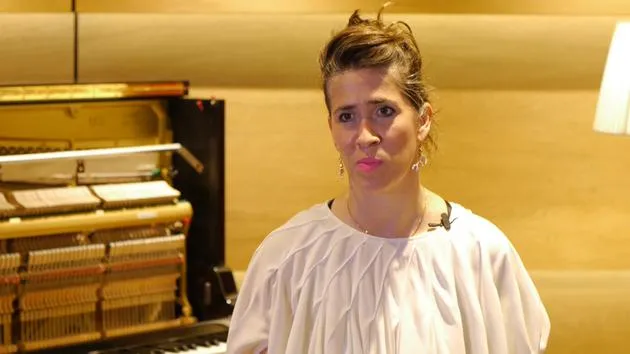
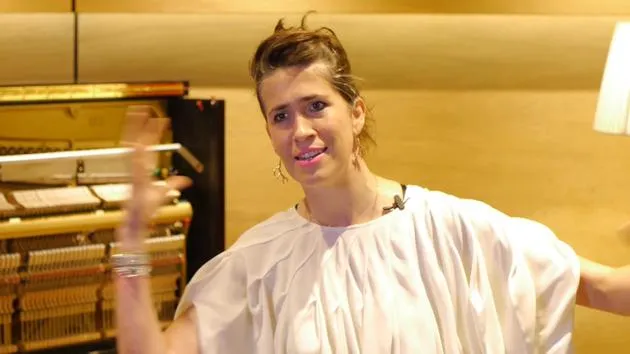
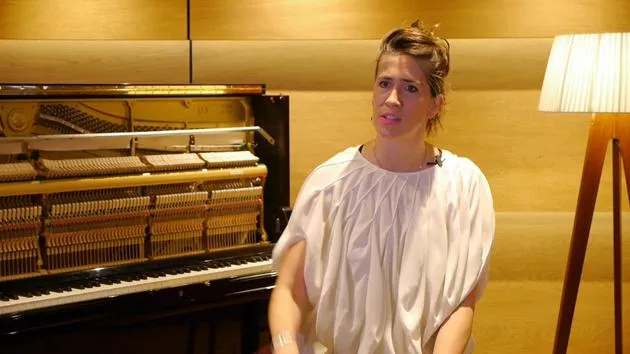
Katie MeluaDie unabhängige Künstlerin Roxanne de Bastion erklärt, warum sie sich entschied, ihre Platte ohne die Hilfe eines Major- oder Indie-Labels zu veröffentlichen.
Das steckt im Kurs
40 Lektionen (2h 33m) · 1 gratis
01. Der Einstieg: Open Mics und unbezahlte Gigs
2:10
02. Zu lokalen Helden werden und Touren buchen
6:12
03. Kreativ werden bei Auftritten
3:44
04. Bühnenpräsenz – Jeremy von Everything Everything
2:21
05. Aus deinem Publikum Kapital schlagen
4:50
06. Direkt mit Fans in Kontakt treten
5:32
07. Dein Online-Publikum kennen und Daten effektiv nutzen
10:31
01. Was macht ein Produzent? – Andrew Hunt
3:41
02. Wie du einen Produzenten findest
5:08
03. Produktionshilfe bekommen, ohne Geld zu haben
3:43
04. Einen Deal mit einem Produzenten vereinbaren
3:43
05. Der Produktionsprozess Schritt für Schritt
11:34
06. Sich von erfahreneren Mitwirkenden nicht übergangen fühlen
1:17
01. Selbstveröffentlichung – Roxanne de Bastion
Du bist hier3:45
02. Was ist ein Vertrieb
4:16
03. Einen Plattenvertrag bekommen
2:54
04. Einen Vertrieb wählen
2:33
05. Major-Labels vs. Independents
7:15
06. Streaming – Die langfristige Perspektive und einen guten Deal aushandeln
6:55
07. Alternative Vertriebsmodelle
2:42
Transkript der Lektion
Insights on Releasing Your Music
When I recorded and released my first album, I didn't approach any labels. I decided to just release it because:
- I didn't want to wait around for something to happen.
- I felt like I still needed a lot of experience before I approached labels.
Starting My Own Label
So, I started my own label. This turned out to be a great learning curve. Here are some key takeaways:
- It's good to understand how the music industry works.
- Learning how to get the proper metadata on your tracks is essential.
- Making mistakes is part of the journey.
I changed my album's track list last minute. So, on Spotify, it has the wrong track list, and now I just have to live with that.
These little things give you an appreciation for what others do in the industry.
The Changing Landscape of the Music Industry
The music industry, especially in the traditional sense, is changing rapidly. The landscape today is completely different from what it was when I started taking music seriously just a couple of years ago.
Major Labels vs. Independent Labels
There's a significant difference between major labels and independent labels. I released my EP with a really small startup record label, and that was also a valuable learning experience.
Advice for Musicians
Many musicians starting out feel that getting a deal is the be-all and end-all. However, most of the time, that's just when the real work begins. Here are some thoughts:
- Even if you get an amazing deal, you just never know what's around the corner.
- Things can go wrong all the time, there's no guarantee for anything.
Managing Expectations
There needs to be a wake-up call and a lot of expectation management.
While there are some fantastic independent labels passionate about what they do, you often need to be with those specific, strong identities. If you're not, I don't see much difference between self-releasing and going with a small indie label.
Self-Finance and Do It Yourself
My advice? Finance it yourself and do it yourself.
- Consider crowdfunding or saving up money from gigs to fund your music.
- Ask yourself, "Why do I want this deal, and what am I going to get from it?"
It's important to strip away the ego and reconsider the reality of a deal.
If you realize you'll owe money for several years and that others will have exclusive rights to your songs, really ask yourself:
- Is it worth it or not?
40 Lektionen
2 Std. 33 Min. strukturierte Videolektionen
Erweiterte Videofunktionen
Verlangsamen, Passagen loopen, mitlesen
Handy, Tablet & Desktop
Üben, wo du willst
100 % Zufriedenheitsgarantie
30 Tage Geld-zurück-Garantie
Lern deinen Guru kennen
Lern deinen Guru kennen
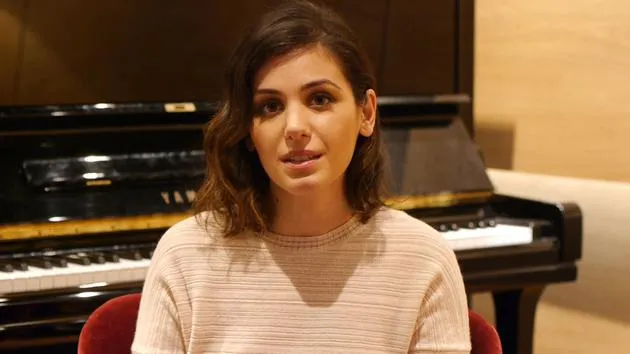
Katie Melua zählt zu den erfolgreichsten Künstlerinnen Großbritanniens – mit über 11 Millionen verkauften Alben weltweit und einer Reihe von Multi-Platin-Veröffentlichungen. Geboren 1984 als Ketevan Melua im georgischen Kutaissi, zog sie als Kind mit ihrer Familie nach Belfast und studierte später an der BRIT School in London, wo sie vom Songwriter und Produzenten Mike Batt entdeckt wurde.
Ihr Debütalbum 'Call Off the Search' (2003), veröffentlicht mit 19 Jahren, stand sechs Wochen auf Platz 1 der britischen Charts und wurde mit Sechsfach-Platin ausgezeichnet – angetrieben von der Hitsingle 'The Closest Thing to Crazy'. Der Nachfolger 'Piece by Piece' (2005) führte europaweit die Charts an und enthielt ihren bekanntesten Song 'Nine Million Bicycles'. 2006 schaffte sie es ins Guinness-Buch der Rekorde: mit dem tiefsten Unterwasserkonzert aller Zeiten, 303 Meter unter dem Meeresspiegel auf einer Gasplattform in der Nordsee.
Es folgte eine beeindruckende Serie von Top-Ten-Alben – 'Pictures' (2007), das von William Orbit produzierte 'The House' (2010), 'Secret Symphony' (2012) und 'Ketevan' (2013) –, in denen Melua einen Sound verfeinerte, der sich mühelos zwischen Jazz, Folk und klassischem Pop-Songwriting bewegt. 'In Winter' (2016), aufgenommen in Georgien mit dem Gori Women's Choir und von ihr selbst produziert, offenbarte eine neue Tiefe ihres Könnens.
Ihre jüngsten Werke sind ihre persönlichsten: 'Album No. 8' (2020) und 'Love & Money' (2023) erhielten einige der besten Kritiken ihrer Karriere, und 'Live at the Royal Albert Hall' (2024) feierte zwei Jahrzehnte an der Spitze der britischen Musik. Live bleibt sie eine fesselnde Künstlerin, die regelmäßig in Europa und darüber hinaus auf Tour ist.