Wie du einen Produzenten findest

Mit
Katie Melua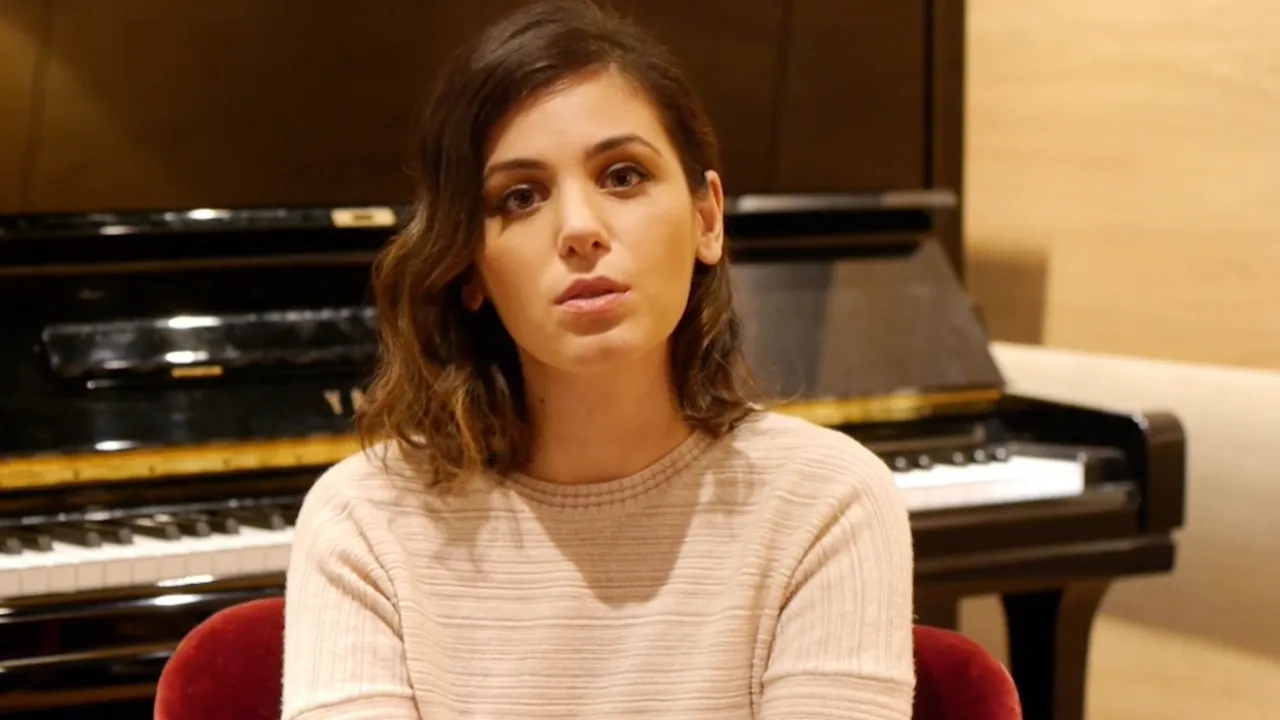
Das steckt im Kurs
40 Lektionen (2h 33m) · 1 gratis
01. Der Einstieg: Open Mics und unbezahlte Gigs
2:10
02. Zu lokalen Helden werden und Touren buchen
6:12
03. Kreativ werden bei Auftritten
3:44
04. Bühnenpräsenz – Jeremy von Everything Everything
2:21
05. Aus deinem Publikum Kapital schlagen
4:50
06. Direkt mit Fans in Kontakt treten
5:32
07. Dein Online-Publikum kennen und Daten effektiv nutzen
10:31
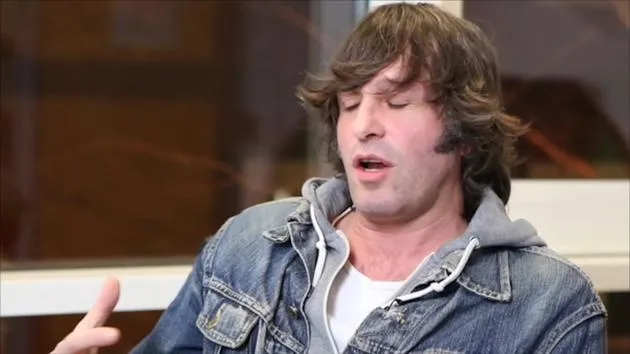
01. Was macht ein Produzent? – Andrew Hunt
3:41
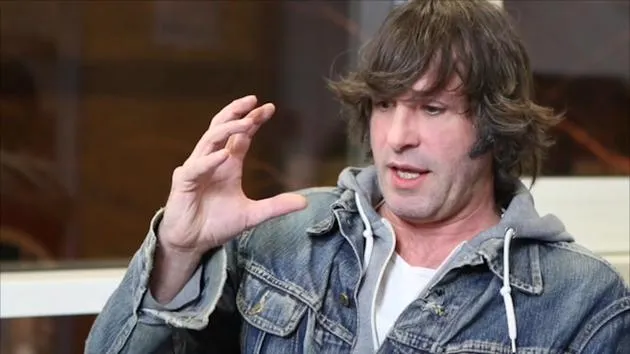
02. Wie du einen Produzenten findest
Du bist hier5:08
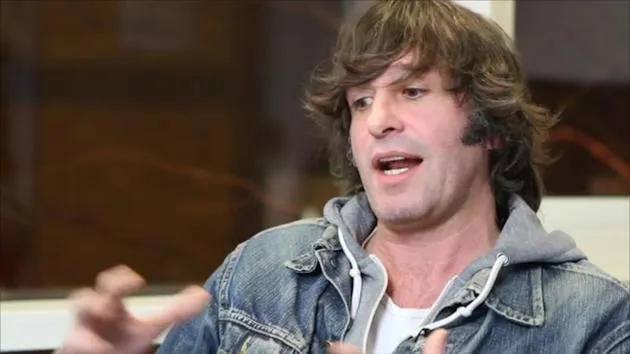
03. Produktionshilfe bekommen, ohne Geld zu haben
3:43
04. Einen Deal mit einem Produzenten vereinbaren
3:43
05. Der Produktionsprozess Schritt für Schritt
11:34
06. Sich von erfahreneren Mitwirkenden nicht übergangen fühlen
1:17
Transkript der Lektion
Finding a Producer: Insights for Young Artists
I think a lot of people think it's more difficult than it is to find a producer. Many, particularly young artists, see producers as being very detached from where they are at the moment. But every producer is looking for a great artist to work with.
The Search for Talent
- They're not always really busy or going to turn things away.
- We're all seeking talented individuals to collaborate with, so it's always worth approaching producers.
Where to Start
The MPG Music Producers Guild website is a good place to start because:
- It has a directory of producers.
- You can filter by genre or specific needs.
You could also reach out to management agencies or record labels.
The Importance of Credits
It's a shame that there isn't enough credit for digital information, a cause many organizations are fighting for. When I was young, physical copies allowed you to look at the producers behind your favorite bands and to contact them.
Contacting Producers Today
Now, contacting people is really easy! You can simply Google them and their contact details often appear through forms.
- Different people have varied ideas of what is needed next.
- For me, I'm happy for people to reach out. Just type in "Andrew Hunt" and "record producer" to find me.
Communication Preferences
I prefer if artists send me links instead of files because files can clog up my servers.
Common Misconception: A lot of young artists believe they should finish their record before sending it to a producer.
I often hear:
"I haven't got anything ready yet; it's too rough."
It doesn't matter. I don't care if it's recorded on a Dictaphone with just a guitar or clapping your hands.
Essential Elements in Songwriting
I prefer when an artist doesn't try to finish the song too much. What I want to hear are:
- The melody line
- The song structure
- The chord structure
- Any key elements important to them
As long as those elements are in the song, I'm happy.
What I Look For
-
Personality & Talent:
- I look for a combination of both.
- It doesn't matter how talented someone is; if we don't click or respond well to each other's feedback, it's not going to work.
-
Working Relationship:
- If we have a good personality match, that's my priority.
- I can nurture talent and help them improve.
-
Raw Talent:
- Is the artist a good singer? Are their songs well-written?
- These aspects are my next priorities.
The Importance of Flexibility
If they're a good singer with a nice tone but need coaching, and we haven't developed a solid relationship, it's challenging. Similarly, if the material is decent but requires tweaks and they are unwilling to adapt, it can create conflict.
The Role of an Observer
It's my job to observe and suggest improvements:
- "Look, we can get this another 10% better."
- "This part doesn't flow well."
If the artist has the right personality, this process becomes much easier.
Professionalism vs. Talent
Professionalism is massively important, but it has to balance with talent.
- I've encountered exceptionally talented individuals facing struggles like mental health issues, dyslexia, or dyspraxia.
- I would much rather work with a talented person than an untalented but completely professional one.
However, there are those who think their talent permits unprofessional behavior, which is simply not the case.
Essential Professional Traits
- You must turn up on time; it's everyone's time and often someone's money.
- These habits should be established early in your career.
You've got to be prepared and ready to perform.
Ultimately, these aspects should never impair creativity and talent. I will always make allowances for outstanding creativity, but that should never become an excuse.
40 Lektionen
2 Std. 33 Min. strukturierte Videolektionen
Erweiterte Videofunktionen
Verlangsamen, Passagen loopen, mitlesen
Handy, Tablet & Desktop
Üben, wo du willst
100 % Zufriedenheitsgarantie
30 Tage Geld-zurück-Garantie
Lern deinen Guru kennen
Lern deinen Guru kennen
Katie Melua zählt zu den erfolgreichsten Künstlerinnen Großbritanniens – mit über 11 Millionen verkauften Alben weltweit und einer Reihe von Multi-Platin-Veröffentlichungen. Geboren 1984 als Ketevan Melua im georgischen Kutaissi, zog sie als Kind mit ihrer Familie nach Belfast und studierte später an der BRIT School in London, wo sie vom Songwriter und Produzenten Mike Batt entdeckt wurde.
Ihr Debütalbum 'Call Off the Search' (2003), veröffentlicht mit 19 Jahren, stand sechs Wochen auf Platz 1 der britischen Charts und wurde mit Sechsfach-Platin ausgezeichnet – angetrieben von der Hitsingle 'The Closest Thing to Crazy'. Der Nachfolger 'Piece by Piece' (2005) führte europaweit die Charts an und enthielt ihren bekanntesten Song 'Nine Million Bicycles'. 2006 schaffte sie es ins Guinness-Buch der Rekorde: mit dem tiefsten Unterwasserkonzert aller Zeiten, 303 Meter unter dem Meeresspiegel auf einer Gasplattform in der Nordsee.
Es folgte eine beeindruckende Serie von Top-Ten-Alben – 'Pictures' (2007), das von William Orbit produzierte 'The House' (2010), 'Secret Symphony' (2012) und 'Ketevan' (2013) –, in denen Melua einen Sound verfeinerte, der sich mühelos zwischen Jazz, Folk und klassischem Pop-Songwriting bewegt. 'In Winter' (2016), aufgenommen in Georgien mit dem Gori Women's Choir und von ihr selbst produziert, offenbarte eine neue Tiefe ihres Könnens.
Ihre jüngsten Werke sind ihre persönlichsten: 'Album No. 8' (2020) und 'Love & Money' (2023) erhielten einige der besten Kritiken ihrer Karriere, und 'Live at the Royal Albert Hall' (2024) feierte zwei Jahrzehnte an der Spitze der britischen Musik. Live bleibt sie eine fesselnde Künstlerin, die regelmäßig in Europa und darüber hinaus auf Tour ist.