



Zu lokalen Helden werden und Touren buchen

Lesson time: (6min 12sec)
Wie du dir von Grund auf eine Fanbase aufbaust - angefangen in deiner lokalen Szene, über nahegelegene Städte bis zur Planung deiner ersten Touren - und warum gute Beziehungen zu anderen Bands wichtig sind.
Course preview
This lesson is part of the course Werde Profimusiker
Watch a preview of the full course below.
Lesson transcript:
Starting Small in the Music Scene
Everything starts locally, I would say. I mean, it certainly did for us.
The Importance of Local Connections
I know that some people grow up in tiny villages, and there's no live music scene or whatever. In which case, you look to the nearest town or city where there is a live music scene. But you can't leapfrog that or underestimate it:
- Start small: Your first fans will end up being your mates, and then the second set is like their friends.
- Engage the audience: When you start to develop a little local following, meeting people at gigs who say, "I really enjoyed that," is crucial.
Building Relationships with Local Promoters
Conscientious local promoters will actively look for up-and-coming talent to promote. They have specific systems or nights for acts, and that's the best way to start.
- Become a local support act: Putting yourself into that arena may open you up to be a local support for touring acts.
- Playing bigger crowds: Those promoters think, "Oh, I know those guys; I can give them a ring," and suddenly you're playing to bigger, possibly influential crowds.
Networking Locally
You can foster relationships quickly with:
- Other bands
- Promoters
- Venues
Then, you can start to expand outside of your own town.
Fostering a Buzz
It's better to play one really busy, buzzy show that people talk about than to play four or five under-attended gigs.
- If you want to play more, look elsewhere.
- Explore new environments, even if it means taking a megabus or train to the next town for an open mic.
Starting Again
For example:
- If you live in Liverpool, consider going to Manchester to perform at an open mic and catch the last train home.
- Build connections with musicians and promoters in those different towns.
Expanding Your Reach
Ask people in your network for recommendations:
- "Hey, would love to tour Scotland. Can anyone recommend really good music venues there?"
Seek out venues with established fan bases, such as:
- Those that draw crowds for specific nights or have a loyal audience, like, "Saturday nights at Billy's in Aberdeen is always good fun, no matter who's playing."
Nurturing Your Audience
Collect email addresses and keep in touch with people to organically build your fan base.
The Value of Genuine Connections
One thing I wish I would have known from the start is just how important it is to have genuine friendships and connections between musicians.
- Mutual support: You need to support one another no matter where you are in your career.
Often, when you see someone on a support slot, you might assume it's because of their connected manager or record label. However, it can simply be because they were friends who supported one another, just like Bombay Bicycle Club or Ed Sheeran.
Touring Tips
The first concentrated bit of touring we did came from an offer by the headline act who liked us. Here are ways to plan your tours:
-
Allocate time: Cobble together a tour by designating a couple of weeks where everyone is available.
-
Research: Look at what fellow musicians, especially those steps ahead of you, are doing.
- What venues are they playing at?
- Contact them for advice: Ask how venues and gigs were, and if they have contact names.
-
Steal gigs: Check out musicians' websites to get ideas for opening slots.
Booking Agents
The best way to book tours is often through a booking agent who knows all the promoters, venues, and route planning inside out.
- Getting an agent requires you to play in front of the right people at the right time, and they have to like you.
- There isn't really a shortcut; it's about being savvy.
Promoters and agents will often travel to see up-and-coming acts, it's in their interest to sign new talent.
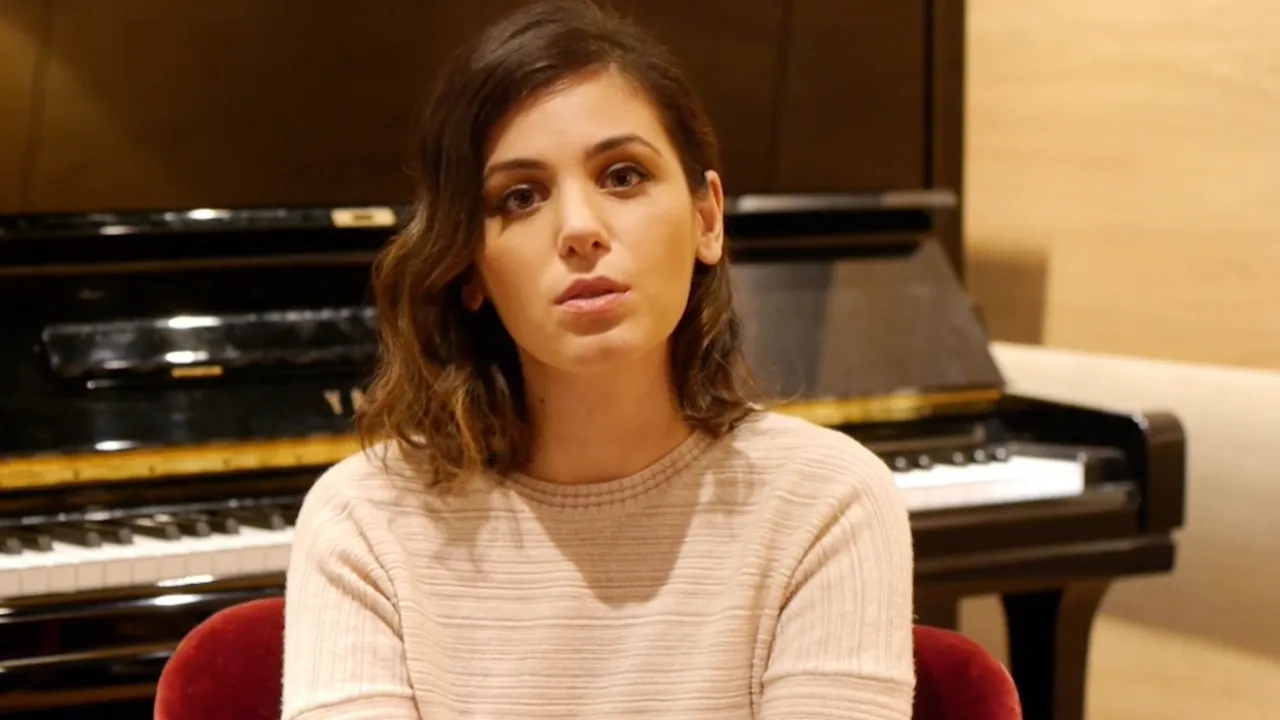
About the instructor
Katie Melua zählt zu den erfolgreichsten Künstlerinnen Großbritanniens – mit über 11 Millionen verkauften Alben weltweit und einer Reihe von Multi-Platin-Veröffentlichungen. Geboren 1984 als Ketevan Melua im georgischen Kutaissi, zog sie als Kind mit ihrer Familie nach Belfast und studierte später an der BRIT School in London, wo sie vom Songwriter und Produzenten Mike Batt entdeckt wurde. Ihr Debütalbum 'Call Off the Search' (2003), veröffentlicht mit 19 Jahren, stand sechs Wochen auf Platz 1 der britischen Charts und wurde mit Sechsfach-Platin ausgezeichnet – angetrieben von der Hitsingle 'The Closest Thing to Crazy'. Der Nachfolger 'Piece by Piece' (2005) führte europaweit die Charts an und enthielt ihren bekanntesten Song 'Nine Million Bicycles'. 2006 schaffte sie es ins Guinness-Buch der Rekorde: mit dem tiefsten Unterwasserkonzert aller Zeiten, 303 Meter unter dem Meeresspiegel auf einer Gasplattform in der Nordsee. Es folgte eine beeindruckende Serie von Top-Ten-Alben – 'Pictures' (2007), das von William Orbit produzierte 'The House' (2010), 'Secret Symphony' (2012) und 'Ketevan' (2013) –, in denen Melua einen Sound verfeinerte, der sich mühelos zwischen Jazz, Folk und klassischem Pop-Songwriting bewegt. 'In Winter' (2016), aufgenommen in Georgien mit dem Gori Women's Choir und von ihr selbst produziert, offenbarte eine neue Tiefe ihres Könnens. Ihre jüngsten Werke sind ihre persönlichsten: 'Album No. 8' (2020) und 'Love & Money' (2023) erhielten einige der besten Kritiken ihrer Karriere, und 'Live at the Royal Albert Hall' (2024) feierte zwei Jahrzehnte an der Spitze der britischen Musik. Live bleibt sie eine fesselnde Künstlerin, die regelmäßig in Europa und darüber hinaus auf Tour ist. read more