



Effects and Atmospheric parts

Lesson time: (5min 53sec)
Paul Whalley walks through the track's atmospheric and effects parts - sweeps, impacts and ambient textures that glue the mix together and fill the space between drums and synths.
Course preview
This lesson is part of the course Produce a killer pop track
Watch a preview of the full course below.
Lesson transcript:
Music Lesson: Ambient Sounds and Effects Track
Alright, guys, so we're going to look at the ambient sounds and effects track here. These, to me, are really the sort of icing on the cake. They just help your record sparkle a bit more and really make it sound polished.
Ambient Sound Track
So, very quickly on their own, this is the ambient sound track that I've got going on. It's a nice mixture of:
- Percussive elements
- A couple of transitional sounds
- Sounds that are quite pleasing to the ear
These elements help glue everything together.
Effects Track
Then we've got the effects track. For me, this is usually comprised of:
- Various sweeps
- Impact sounds
These really help transition between the different sections. As you can see here, particularly with the effects track, I've got next to no processing going on in any of these channels.
Sample Choice
Good sample choice is key here. A lot of these came from various sample packs that I bought over the years. Just picking the right sounds to swell into them and finding your palette of sound.
- You can see there are various ones here, these top four that I've reused a number of times.
- Certain ones only come up in different sections of the song.
Just changing these colors a little bit really helps define each section of the song.
In-Depth Look at the Ambient Track
Going a bit more in depth here to the ambient track, I'll break down these five layers for you. These only really ever take place in the post-chorus of the song. They are introduced just a few bars before, a couple of times, but they're always sort of fading in just to foreshadow the next section.
Layer Breakdown
- Clock Sound: This is a little percussive element that helps merge things with the drums a bit more.
- Wood Block: This sits on the backbeat of the song, on beats two and four. It really helps settle in with the groove and acts as glue between the drums of the track and the synthesizers.
- Chopped Guitar Note: This sound is actually made out of a guitar note that I recorded, reversed, chopped up, and re-bounced.
- Bell Sound: Similar to the guitar note, this has been chopped up, reversed, and looped around.
- Sweeping Effect: All I'm doing here is adding a little bit of delay to help it ring over into the next section and reverb, which does the same, helping it sit in the same space as the rest of the song.
Transitioning to the Chorus
Now I'll play you the track transitioning into this chorus without any of the effects tracks in. You'll hear what a difference these sounds make.
- Sounds pretty good, everything's polished, and everything's working together, but it's not quite popping out of the speakers.
When I add in the effects track, you can hear that excitement that builds as you transition to the next section.
- Adding this ambient track really helps glue things together.
- As I said, it helps glue the drums to the rest of the instruments and fills in that last little bit of space.
Conclusion
I think a few of these tricks put together and used in the right amount can really help polish your tracks and make them sound radio-ready and ready to release. It's really underestimated how these parts can make or break a record at times.
- Sometimes you only need one of them; sometimes you need many of them.
- It's really up to your own taste and for what kind of record you're making.
But just take your time, choose the right ones, experiment with a few of the sounds, try to get them sounding unique, be creative with them, and just have fun with it. These can really help make or break your record.
About the instructor
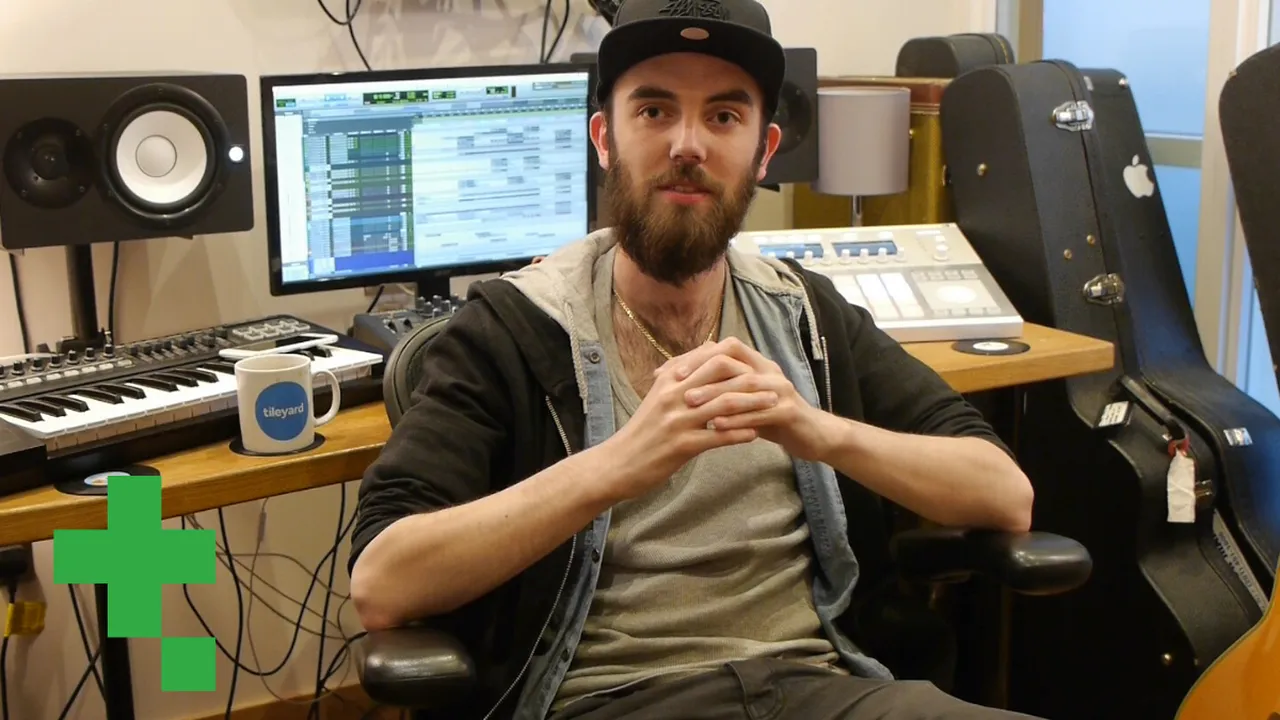
Paul Whalley is a multi-instrumentalist, producer and songwriter with a deliberately broad sound. He spent years on the road as a touring session musician with artists including Mumford & Sons and Ellie Goulding. Classically trained, he holds an undergraduate degree in instrumental performance and a Master's in composition from the Guildhall School of Music. Since moving from touring into production and songwriting he has worked with artists such as NAO, Wretch 32 and Nina Nesbitt, and played on top-40 records around the world, including Little Mix's 'Shout Out to My Ex'. He is based at Tileyard Studios in north London, where he writes and produces for major UK labels and develops new artists. On MusicGurus he and Emmi Green deconstruct a pop record from scratch - every arrangement and production decision laid bare - for songwriters and producers who want to hear how hit records are really built. read more