



Hooks and Parts - concepts

With
Paul WhalleyPaul Whalley breaks down hooks beyond the vocal line, and why every section should have at least three the listener can latch onto: melodic, percussive and sonic.
What's in the course
26 lessons (1h 43m) · 1 free
01. Guitar part - concepts
1:37
02. Guitar part
4:58
03. Vocals - concepts
1:22

04. ASSIGNMENT: Recreate the guitar production
0:37
05. Vocals
9:42

06. CHALLENGE #1: BUILD THE VOCAL ARRANGEMENT AND HOOK
0:45
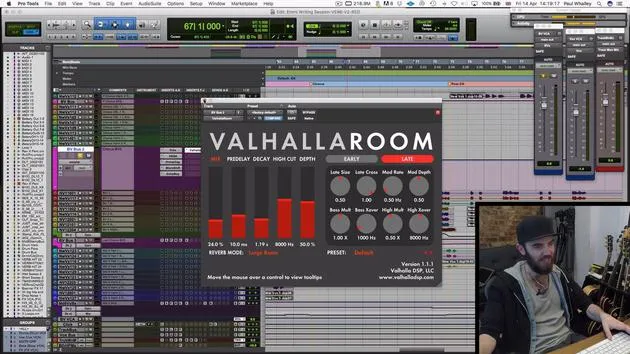
07. Backing vocals
4:07
08. Keys and synths - concepts
0:54
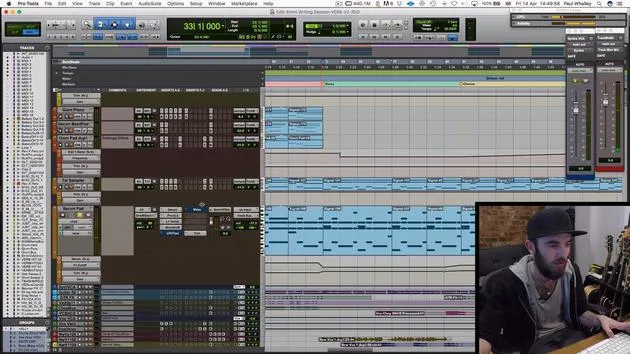
09. Keys & synthesizers
9:38
10. Bass - concepts
1:01
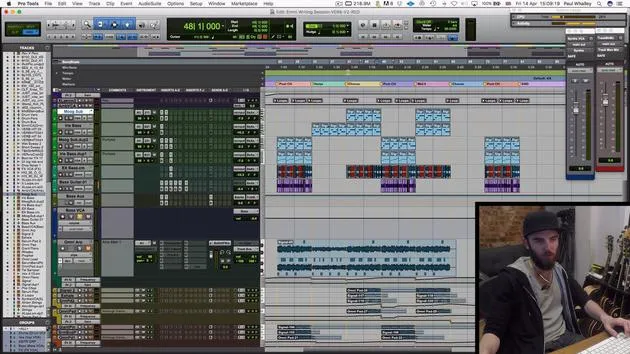
11. Bass
5:24
12. Drums - concepts
0:58
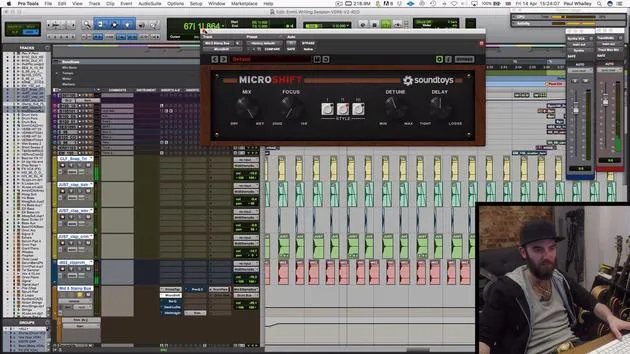
13. Drums
9:49

14. ASSIGNMENT: Recreate the drum production
0:32
15. Effects and Atmospheric parts - concepts
1:09
16. Effects and Atmospheric parts
5:53


Lesson transcript
Introduction to Hooks in Instrumentals
Hi guys,
Welcome to the first part of this course. In this session, we're going to break down the idea of hooks within your instrumentals and productions.
The Role of Hooks
Now, let's clarify, this is about taking away the vocals of your track because those are obviously the kings of your whole song and should always be the major hook.
My Philosophy on Hooks
For a long time now, I've believed that your production should have at least three distinct hooks in each section that you can remember. These can include:
- Melodic parts
- Percussive elements
- Distinct sounds and sonics
These hooks are incredibly useful because you can reference them in all sections to help glue the whole thing together.
Historical Context
This concept has been tried and tested since back in the 60s and 70s. I personally discovered it while watching an ABBA documentary about six years ago. Since I started applying this method, it has consistently worked for me.
Benefits of Using Hooks
When you present your tracks to A&R guys, artists, or even just play them for your friends, they sound:
- A lot more thought out
- Very polished and finished
Using hooks helps everything glue together very concisely.
Practical Example
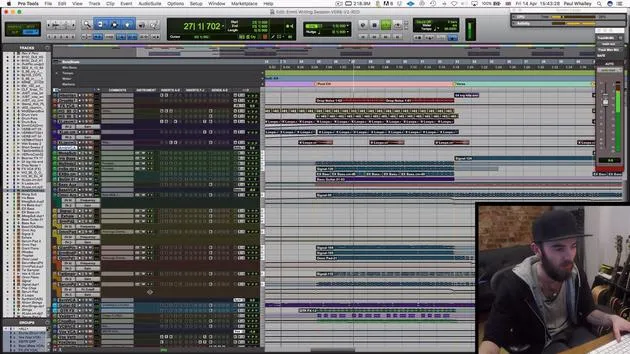
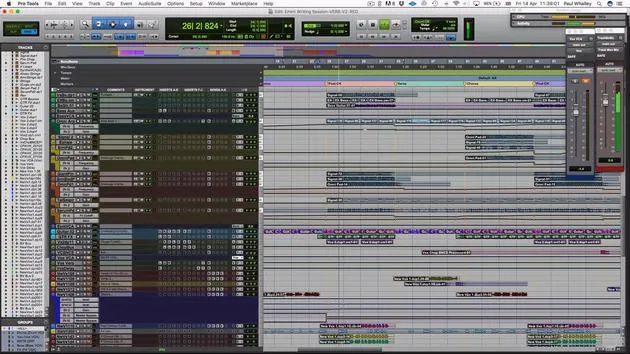
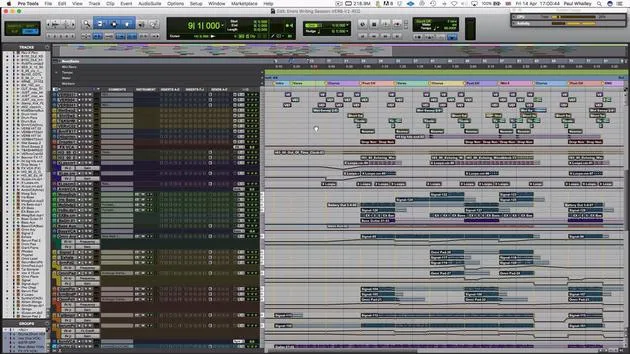
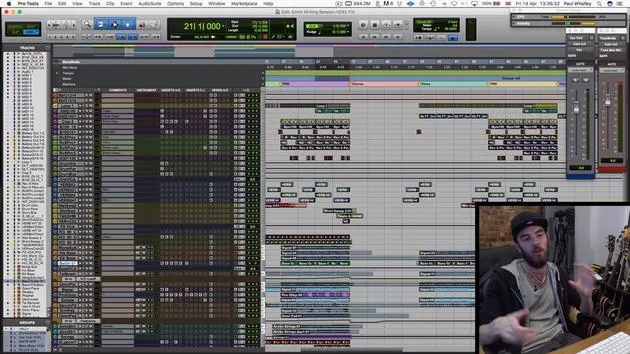
In this section, I'm going to take apart a song that I have and show you the distinct hooks within it, along with the parts that complement and enhance those hooks. This will help glue your track together effectively.
Stay tuned!
26 lessons
1h 43m of structured video lessons
Advanced video features
Slow down, loop a passage, follow along
Mobile, tablet & desktop
Practise wherever you are
100% satisfaction guarantee
30-day money-back guarantee
Meet your guru
Meet your guru
Paul Whalley is a multi-instrumentalist, producer and songwriter with a deliberately broad sound. He spent years on the road as a touring session musician with artists including Mumford & Sons and Ellie Goulding. Classically trained, he holds an undergraduate degree in instrumental performance and a Master's in composition from the Guildhall School of Music. Since moving from touring into production and songwriting he has worked with artists such as NAO, Wretch 32 and Nina Nesbitt, and played on top-40 records around the world, including Little Mix's 'Shout Out to My Ex'. He is based at Tileyard Studios in north London, where he writes and produces for major UK labels and develops new artists. On MusicGurus he and Emmi Green deconstruct a pop record from scratch - every arrangement and production decision laid bare - for songwriters and producers who want to hear how hit records are really built.







