



Sonic branding & what is a brief. Case study - Ollie Raphael

With
Jay MistryA case-study interview with Ollie Raphael of Delicious Digital on how a sonic branding agency works, what a brief is, and how to respond to one.
What's in the course
21 lessons (4h 21m) · 1 free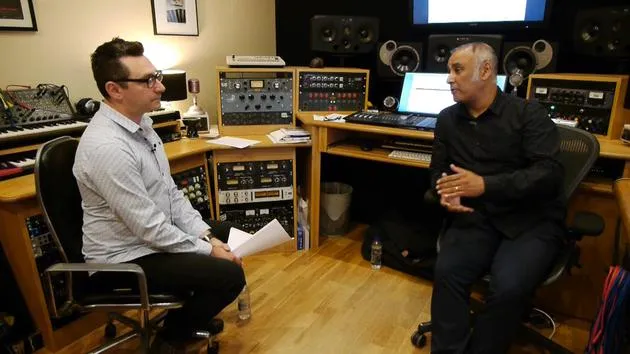
01. Introduction with Harry Leckstein and Jay Mistry
11:37
02. A short history of Publishing
6:10
03. Copyright (types of rights) & Royalties
Free lesson11:19
04. Advice for artists - getting paid & working with publishers
15:35
05. Advances, exclusivity & types of publishing deals
14:27
06. Getting started on your own
3:01
07. The Games market
2:55
08. Understanding Publishing Contracts
11:51
09. The world of Sync
8:23
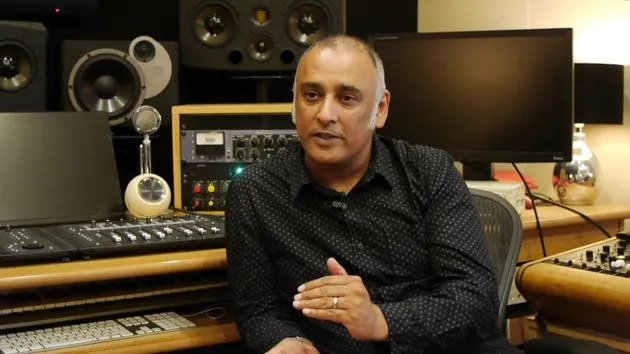
10. Sonic branding & what is a brief. Case study - Ollie Raphael
You are here3:54
11. Sync jargon decrypter & myth-buster
8:38
12. Understanding roles within TV & Film industry
11:43
13. Final words of advice
9:43

01. Interview with Ollie Raphael - Delicious Digital & working with Radio
11:38
02. Interview with Dan Mallender (Phase Music) - Music, promos & trailers for TV, Radio, Film, Gaming industries
16:04
03. Interview with Rachel Menzies - Music Supervision
11:19
04. Interview with Richard Ford (Anger Music) - Working with composers
16:23
05. Interview with Stuart Belsham - Discover PRS
37:15
06. Interview with Alessio Nanni (via Skype) - Pianist & Composer
15:02
07. Interview with Rob Manning (via Skype) - Film & TV Composer
15:23

08. Interview with Xiaotian Shi (via Skype) - Film & TV Composer
18:40
Lesson transcript
Interview with Ollie from Delicious Digital
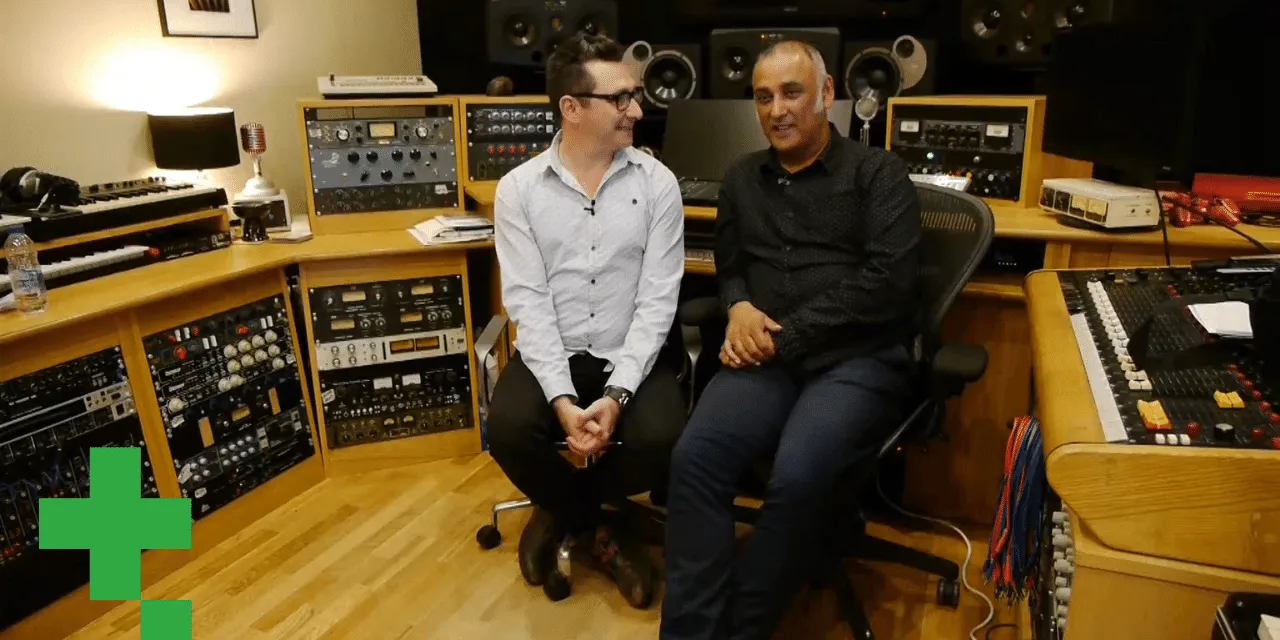
You've got a number of interviews that go along with this course from various people, and one of them is Ollie from Delicious Digital.
Introduction to Delicious Digital
Tell us a bit about what Delicious does and how companies like that operate.
- They are mainly a bespoke agency.
- They work in branding and TV branding.
- Recently, they've completed a deal with the BBC for the radio station 5 Live.
This partnership is significant because they are doing all their sonic branding.
What is Sonic Branding?
Sonic branding basically means that anything to do with that station, they will write the music for, to give it an identity. Listeners will recognize the music as part of 5 Live, which is a very big deal.
- Sonic branding is often seen as part of sync music, which also includes music for film, TV, or advertisements.
- Would I be right in thinking it's similar to that Intel sound?
Yes, the mnemonics.
The Importance of Sonic Notes
It's clear that this is a massive market. You might think that creating those three or four notes could take just a few minutes. However, you'd be surprised to learn that:
- Those few notes can take weeks to craft.
- Composing a few notes to represent a brand can be much harder than writing a full song.
Those notes must encapsulate the brand's identity in just four to eight notes, which is a fascinating challenge.
Practice Exercise for Students
For those watching this, consider practicing this concept by:
- Thinking about existing brands.
- Looking at their logos.
- Imagining what a sonic branding sound or sequence of sounds would be like.
Emulating Sonic Branding
If you listen to TV stations or advertisements, you can hear that sonic branding.
- Trying to emulate that can provide valuable training.
- It's similar to watching trailers or documentaries.
- Aim to understand the type of music that fits and consider how you could create something similar or even better.
Working in the Industry
As people start to delve into this world, they often work with publishers or for companies like Ollie's bespoke agency.
Understanding the Brief
This industry receives many briefs.
- What is a brief?
A brief is a description of what a brand or company wants.
Components of a Brief
- Briefs can be sent in various ways, usually as an email. For example, a brief might say:
- "We're going to rebrand a channel."
- It highlights specifics that the music should depict.
A brief can also accompany a TV series or film, providing a synopsis to guide the composer.
Final Notes: On this course page, you'll find some examples of briefs that you can check out to get a better understanding of how they work.
21 lessons
4h 21m of structured video lessons
Advanced video features
Slow down, loop a passage, follow along
Mobile, tablet & desktop
Practise wherever you are
100% satisfaction guarantee
30-day money-back guarantee
Meet your guru
Meet your guru
Jay Mistry is a music industry veteran of 30 years and is fluent in most aspects of the music business.
Jay began his career at the Performing Right Society before joining BMG Music Publishing, where he was asked to set up the income tracking department from scratch. In 2003, he incorporated Musical Sleuth Ltd, the first independent royalty tracking service of its kind, which counted clients such as Eric Clapton and The Beatles.
Having mastered the intricacies of copyright and royalties, Jay was asked to become Director of Music Services at The Discovery Channel in 2009. His success at Discovery led New York entrepreneurs Jingle Punks to bring him in to set up and stabilise their US publishing operation while building their global collection network. Jay currently consults for a range of high-end composers, music libraries, film producers, publishers and tech platforms.
In A Guide To Music Publishing And Synchronization, Jay distils three decades on the inside of the business into clear, practical guidance, showing you how publishing, copyright, royalties and sync deals really work - and how to make them work for you.







