



Advances, exclusivity & types of publishing deals

With
Jay Mistry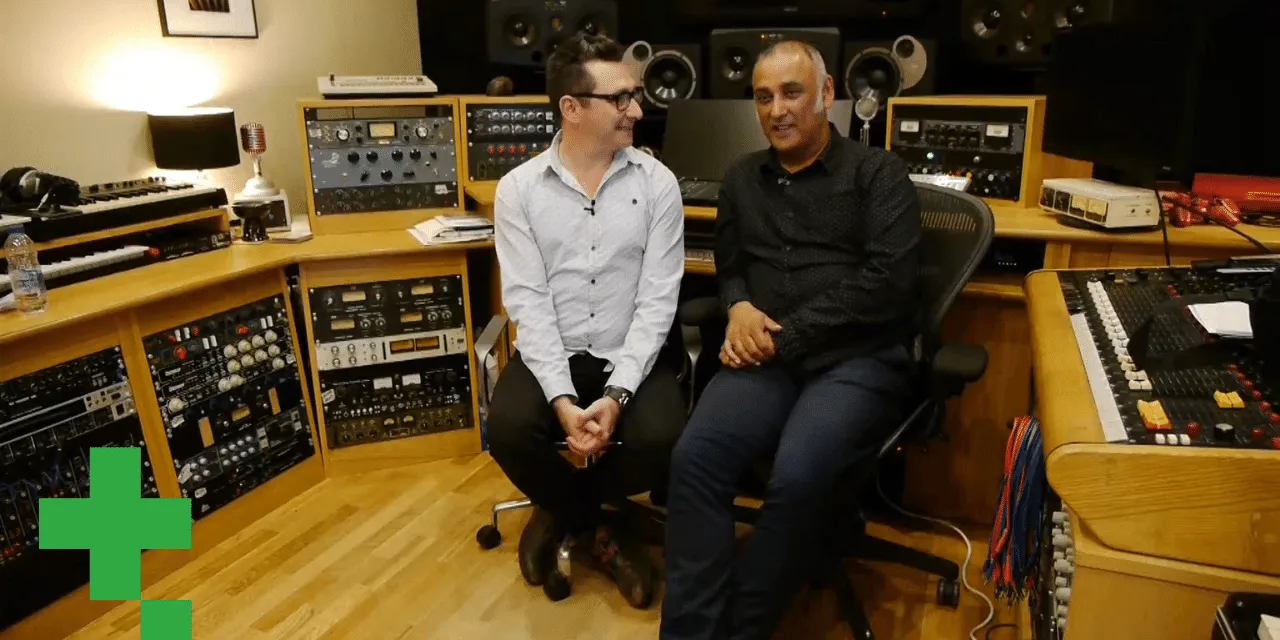
What's in the course
21 lessons (4h 21m) · 1 free
01. Introduction with Harry Leckstein and Jay Mistry
11:37
02. A short history of Publishing
6:10
03. Copyright (types of rights) & Royalties
Free lesson11:19
04. Advice for artists - getting paid & working with publishers
15:35
05. Advances, exclusivity & types of publishing deals
You are here14:27
06. Getting started on your own
3:01
07. The Games market
2:55
08. Understanding Publishing Contracts
11:51
09. The world of Sync
8:23
10. Sonic branding & what is a brief. Case study - Ollie Raphael
3:54
11. Sync jargon decrypter & myth-buster
8:38
12. Understanding roles within TV & Film industry
11:43
13. Final words of advice
9:43

01. Interview with Ollie Raphael - Delicious Digital & working with Radio
11:38
02. Interview with Dan Mallender (Phase Music) - Music, promos & trailers for TV, Radio, Film, Gaming industries
16:04
03. Interview with Rachel Menzies - Music Supervision
11:19
04. Interview with Richard Ford (Anger Music) - Working with composers
16:23
05. Interview with Stuart Belsham - Discover PRS
37:15
06. Interview with Alessio Nanni (via Skype) - Pianist & Composer
15:02
07. Interview with Rob Manning (via Skype) - Film & TV Composer
15:23
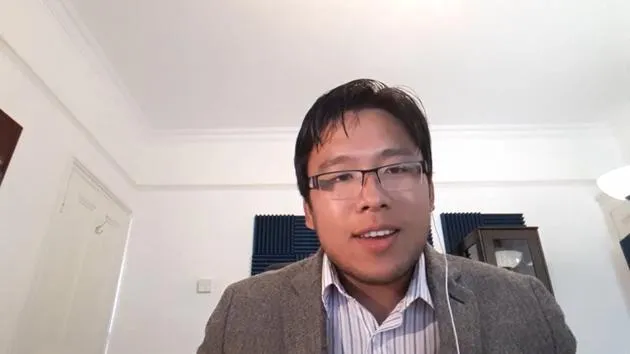
08. Interview with Xiaotian Shi (via Skype) - Film & TV Composer
18:40
Lesson transcript
Understanding Publishing Deals for Artists and Composers
So we've talked quite a lot about why an artist or composer would sign to a publisher. Let's get into some of the details about what kind of deals they could sign with a publisher.
Types of Deals
Exclusive Deal
- An exclusive deal typically means you're signed to a publisher for a specific period.
- There is usually an advance involved, though these days, advances are often smaller compared to the past.
- The purpose of the advance is:
- To allow you to focus on producing music without the need for a day job.
- To cover living expenses while you work on your music.
"The publisher has to believe in you to give you enough money to do that."
- The advance is like a loan; it must be paid back through the profits generated by the music you produce.
Single Song Assignment
- In some cases, a publisher might want to sign a composer or songwriter for just one song to test the waters.
- This is essentially a shortened version of the exclusive deal, allowing composers to engage with different publishers for single tracks.
"It gives them flexibility to try multiple publishers with different songs and determine which relationship works best."
Administration Deal
- An administration deal is for composers with their own publishing company but lacking global representation.
- The deal allows a larger publisher to manage royalties, registration, and collections on your behalf for a fee.
"They do the behind-the-scenes tasks while you handle outward selling."
Co-Publishing Deal
- A co-publishing deal allows a composer to retain some rights while sharing the profits:
- 50% to the composer
- 25% to the publishing company handling administration
- 25% to the composer's own publishing company.
"This can be beneficial depending on the composer's negotiating power."
Note: Co-publishing deals are often more suitable for composers further along in their careers.
Purchase Agreement
- A purchase agreement involves a publisher buying your publishing rights outright.
- You may receive a percent of income back, but the publisher will own everything.
"This is a transfer of ownership, unlike other deals that involve assigning rights."
Collection Agreement
- A collection agreement is where one publisher manages the collection of royalties for another without exploiting the rights.
- This is typically for a small percentage, such as 10%.
"Useful for specific songs gaining traction in territories where royalties need to be collected."
Negotiating Advances
- The timing of when to ask for an advance usually depends on your leverage.
- If there is pre-existing interest in your music or you have potential earnings already identified, you are in a stronger position to negotiate an advance.
"Assess your living expenses and provide realistic numbers when negotiating."
Working Relationship with Publishers
Once a contract is signed, the nature of your relationship with the publisher can vary based on their size and engagement level:
- Smaller publishers may allow more direct interaction and support.
- Larger publishers might connect you with other songwriters, placing you in songwriter camps for collaboration.
- The focus should always be on fostering creativity:
"Signing with an engaged publisher can provide environments that encourage creative exploration."
Conclusion
Understanding the different types of publishing deals is crucial for artists and composers in managing their careers effectively. A smart choice in collaboration can lead to mutually beneficial creative endeavors, allowing artists the freedom to explore their musical talents while ensuring that their work is monetized effectively.
21 lessons
4h 21m of structured video lessons
Advanced video features
Slow down, loop a passage, follow along
Mobile, tablet & desktop
Practise wherever you are
100% satisfaction guarantee
30-day money-back guarantee
Meet your guru
Meet your guru
Jay Mistry is a music industry veteran of 30 years and is fluent in most aspects of the music business.
Jay began his career at the Performing Right Society before joining BMG Music Publishing, where he was asked to set up the income tracking department from scratch. In 2003, he incorporated Musical Sleuth Ltd, the first independent royalty tracking service of its kind, which counted clients such as Eric Clapton and The Beatles.
Having mastered the intricacies of copyright and royalties, Jay was asked to become Director of Music Services at The Discovery Channel in 2009. His success at Discovery led New York entrepreneurs Jingle Punks to bring him in to set up and stabilise their US publishing operation while building their global collection network. Jay currently consults for a range of high-end composers, music libraries, film producers, publishers and tech platforms.
In A Guide To Music Publishing And Synchronization, Jay distils three decades on the inside of the business into clear, practical guidance, showing you how publishing, copyright, royalties and sync deals really work - and how to make them work for you.







