



Sync jargon decrypter & myth-buster

With
Jay Mistry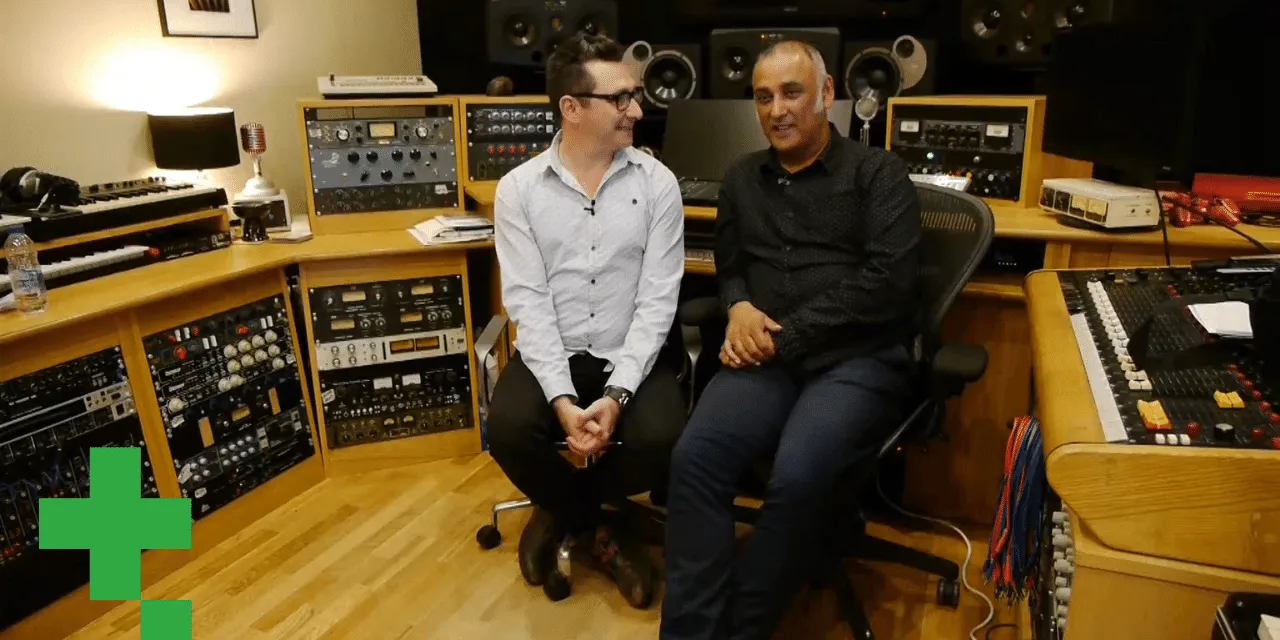
What's in the course
21 lessons (4h 21m) · 1 free
01. Introduction with Harry Leckstein and Jay Mistry
11:37
02. A short history of Publishing
6:10
03. Copyright (types of rights) & Royalties
Free lesson11:19
04. Advice for artists - getting paid & working with publishers
15:35
05. Advances, exclusivity & types of publishing deals
14:27
06. Getting started on your own
3:01
07. The Games market
2:55
08. Understanding Publishing Contracts
11:51
09. The world of Sync
8:23
10. Sonic branding & what is a brief. Case study - Ollie Raphael
3:54
11. Sync jargon decrypter & myth-buster
You are here8:38
12. Understanding roles within TV & Film industry
11:43
13. Final words of advice
9:43
01. Interview with Ollie Raphael - Delicious Digital & working with Radio
11:38

02. Interview with Dan Mallender (Phase Music) - Music, promos & trailers for TV, Radio, Film, Gaming industries
16:04
03. Interview with Rachel Menzies - Music Supervision
11:19
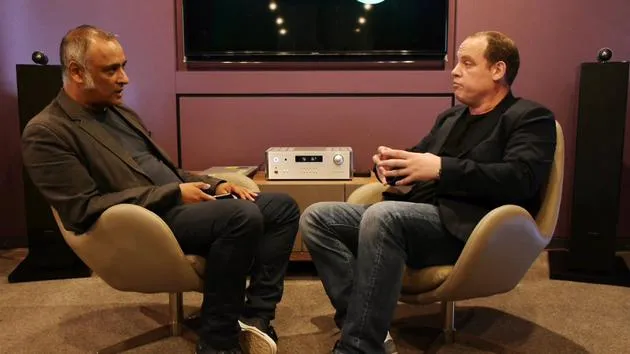
04. Interview with Richard Ford (Anger Music) - Working with composers
16:23
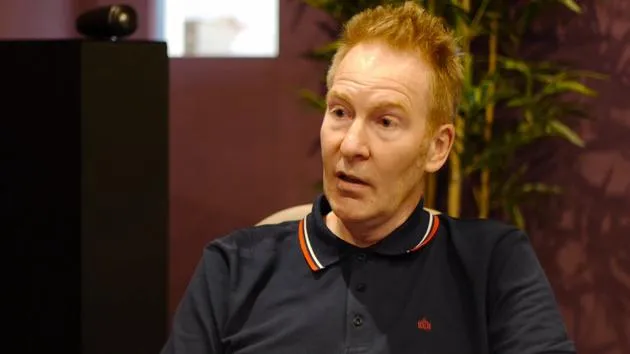
05. Interview with Stuart Belsham - Discover PRS
37:15
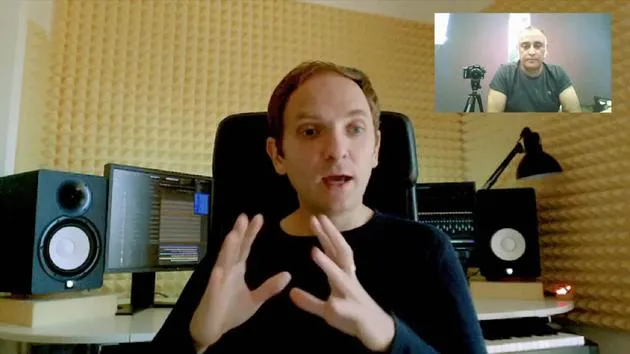
06. Interview with Alessio Nanni (via Skype) - Pianist & Composer
15:02
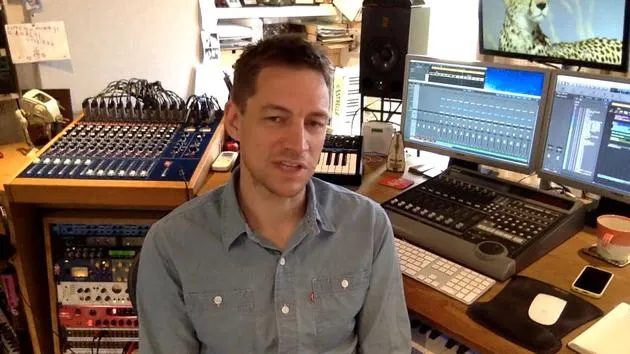
07. Interview with Rob Manning (via Skype) - Film & TV Composer
15:23

08. Interview with Xiaotian Shi (via Skype) - Film & TV Composer
18:40
Lesson transcript
Music Terminology Explained
Promo
A promo is a promotional tool used by TV channels or film studios to generate interest in shows or films. For example, a network might create a trailer for a popular series like Game of Thrones to draw viewers in.
- Purpose: Tease upcoming episodes or films.
- Music: Promos often incorporate various pieces of music to enhance appeal. Trailer houses, companies that produce these trailers, vary in quality and resources, with successful ones investing significant time in crafting a compelling promo.
Music in Trailers
- Composers may spend considerable time creating short pieces (30 seconds to 2 minutes) specifically for trailers.
- Multiple music tracks can be mixed in a single trailer, combining different sounds or themes to create an exciting auditory experience.
Components of Trailers
- Trailers frequently use rapid cuts and edits, especially in high-energy genres like thrillers or action films, showcasing various scenes backed by diverse musical elements.
- Tips for Aspiring Composers:
- Watch and Listen: Analyze the music in trailers to identify different components.
- Showreel Diversity: Include various sync pieces, such as background scores and promos.
- Three-Part Structure: Consider a trailer as a mini orchestration, typically featuring:
- Introduction: Starts quietly.
- Build: Gradually intensifies.
- Crescendo & Drop: Concludes dramatically, leaving viewers eager for more.
Ident
An ident (or identifier) refers to the short piece of music and visuals that represent a TV channel.
- Purpose: Create brand recognition.
- Seasonal Themes: Channels often modify idents with the seasons, aligning them with specific events like motorsports or tennis.
Beds
Beds are underlying music pieces used to set the mood in a TV show or film.
- Types: They vary in prominence, from subtle background scores to more noticeable accompaniments.
- Mood Setting: Even a repetitive or minimalist line from a single instrument, like a cello, can evoke emotions, enhancing the visual experience.
The Power of Silence
Sometimes, leaving out music entirely can be more impactful.
- Tension Beds: A single note from a violin, for example, can build tension without overwhelming the scene.
Edits
Edits refer to different versions of the same piece of music created for various uses, often outlined in contracts with publishers.
- Examples:
- Instrumental tracks.
- Vocal versions with different edits (e.g., 10 seconds, 30 seconds, or 1 minute).
Showreel Advice
For a showreel, brevity is key.
- Focus on Relevance: Highlight the most impactful segments of your work rather than showcasing an entire track with a lengthy introduction.
- Recommended Length: 10 to 20 seconds per clip is ideal to maintain viewer engagement and showcase variety.
By understanding these terms, aspiring composers can effectively navigate the intricacies of creating and promoting music for visual media.
21 lessons
4h 21m of structured video lessons
Advanced video features
Slow down, loop a passage, follow along
Mobile, tablet & desktop
Practise wherever you are
100% satisfaction guarantee
30-day money-back guarantee
Meet your guru
Meet your guru
Jay Mistry is a music industry veteran of 30 years and is fluent in most aspects of the music business.
Jay began his career at the Performing Right Society before joining BMG Music Publishing, where he was asked to set up the income tracking department from scratch. In 2003, he incorporated Musical Sleuth Ltd, the first independent royalty tracking service of its kind, which counted clients such as Eric Clapton and The Beatles.
Having mastered the intricacies of copyright and royalties, Jay was asked to become Director of Music Services at The Discovery Channel in 2009. His success at Discovery led New York entrepreneurs Jingle Punks to bring him in to set up and stabilise their US publishing operation while building their global collection network. Jay currently consults for a range of high-end composers, music libraries, film producers, publishers and tech platforms.
In A Guide To Music Publishing And Synchronization, Jay distils three decades on the inside of the business into clear, practical guidance, showing you how publishing, copyright, royalties and sync deals really work - and how to make them work for you.







