



Interview with Alessio Nanni (via Skype) - Pianist & Composer
With
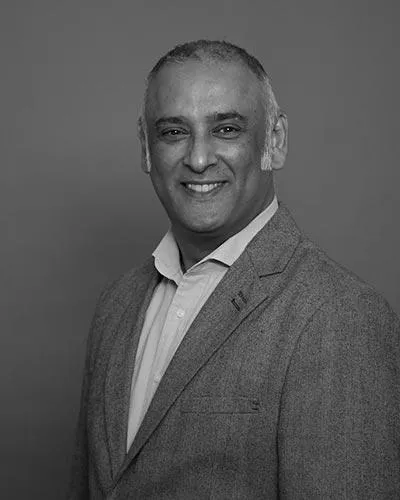
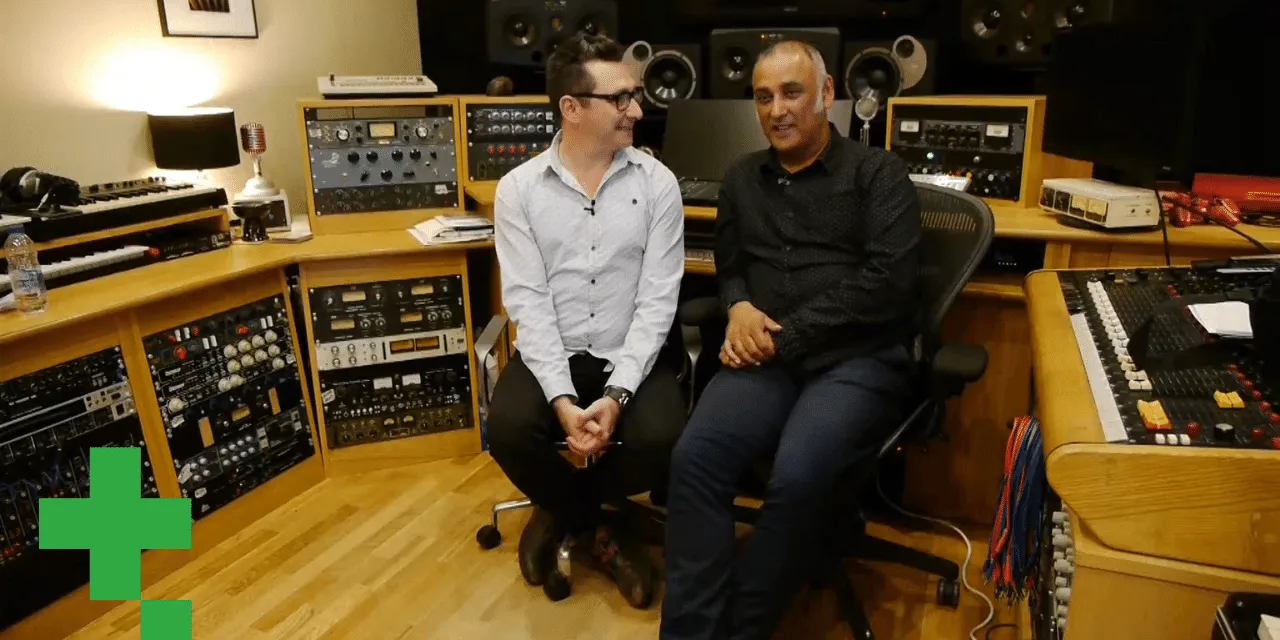
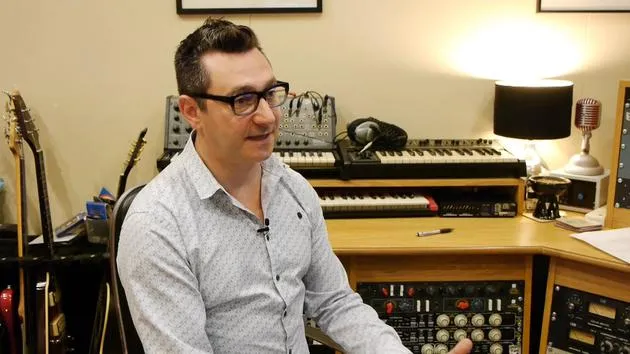
Jay MistryComposer Alessio Nanni joins via Skype to talk about scoring video game trailers like Tomb Raider - how a brief becomes music, and his advice for breaking in.
What's in the course
21 lessons (4h 21m) · 1 free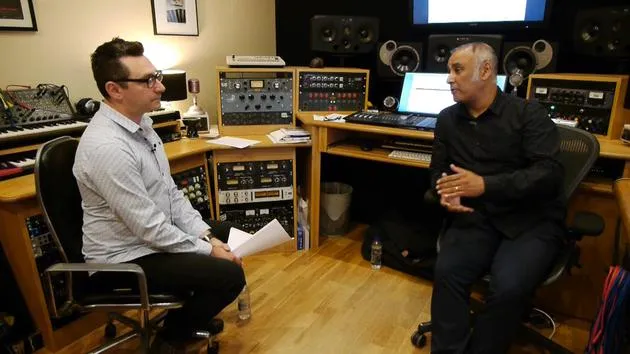
01. Introduction with Harry Leckstein and Jay Mistry
11:37
02. A short history of Publishing
6:10
03. Copyright (types of rights) & Royalties
Free lesson11:19
04. Advice for artists - getting paid & working with publishers
15:35
05. Advances, exclusivity & types of publishing deals
14:27
06. Getting started on your own
3:01
07. The Games market
2:55
08. Understanding Publishing Contracts
11:51
09. The world of Sync
8:23
10. Sonic branding & what is a brief. Case study - Ollie Raphael
3:54
11. Sync jargon decrypter & myth-buster
8:38
12. Understanding roles within TV & Film industry
11:43
13. Final words of advice
9:43
01. Interview with Ollie Raphael - Delicious Digital & working with Radio
11:38
02. Interview with Dan Mallender (Phase Music) - Music, promos & trailers for TV, Radio, Film, Gaming industries
16:04
03. Interview with Rachel Menzies - Music Supervision
11:19
04. Interview with Richard Ford (Anger Music) - Working with composers
16:23
05. Interview with Stuart Belsham - Discover PRS
37:15
06. Interview with Alessio Nanni (via Skype) - Pianist & Composer
You are here15:02
07. Interview with Rob Manning (via Skype) - Film & TV Composer
15:23
08. Interview with Xiaotian Shi (via Skype) - Film & TV Composer
18:40
Lesson transcript
Music Composition for Trailers: An Interview with Alessio Nanny
Introduction
Hi, Alessio. How are you?
Alessio: My name is Alessio Nanny, and I am a pianist, composer, and producer. I write music for film, documentary shorts, TV shows, and video game trailers.
Discussing Game Trailers
Great. I'd like to talk to you today about trailers, especially trailers for games. I know that you've done quite a few. Let's discuss the Tomb Raider trailer. How did that project come about?
Alessio: Oh, well, every time is a bit different. Sometimes you are asked by a publisher who gives you a brief. Other times, you present a set of options to a trailer house and receive contact months later with a request.
In this particular case, regarding Tomb Raider, I was contacted by a trailer house in Los Angeles that I had previously worked with on big titles like Assassin's Creed and Transformers. They got in touch again because they were looking for original music for the upcoming trailer, something very specific that they were unable to get from their current sources. They asked me to present some options and decided to send over some material from my catalog. Luckily, there was one track that worked as a very good starting point. They said, "Okay, can you use that as a template and adjust it to the brief?" And I said, "Sure."
Creative Process
Right. That's exactly what I was going to ask you. So, you had a template already. But sometimes do you get a brief or do you receive the visuals too? How does that work?
Alessio: Again, it varies. Sometimes you receive a brief that is more or less detailed, providing guidance from producers and directors on how to compose the music for the trailer. Other times, you get a generic indication with references from other trailers. For instance, they might say, "We love these elements from this trailer and those elements from another one. Can you elaborate something that delivers that vibe for us?"
You still have the freedom to create but also need to stick with the plan. Another scenario is when you receive a call from someone, usually a music supervisor, asking for music. This is both direct and scary since it typically means there's no time left to do anything! During that call, you get all the necessary information.
Challenges Faced
So, what are the challenges you face with this sort of brief?
Alessio: Well, for Tomb Raider, the challenge was that they loved the track's pace and overall mood, but something was missing. They felt the string section was too classic; they wanted something more modern and aggressive.
So, I decided to rework the track, which was a significant challenge. By turning down the ostinato string section, I lost that specific crescendo feeling. I had to replace it with something that served the same function. I ended up designing a completely custom percussion set that actually helped to sell the track.
Quick Turnaround
And how long did the whole process take?
Alessio: It took a few days, actually, between the first call and the final version delivery. We went through different rounds of notes. Recording percussion in the box without real instruments is tricky because you can't just layer sounds without hitting a wall creatively.
That's pretty quick, just a couple of days. Is that normal? If you had to start from scratch, how long would that process take?
Alessio: Well, for them, it doesn't make any difference. They call you and expect quick results. Typically, it's very rare for them to give you 10 days. Most of the time, you have only 2-3 days, and you must be prepared for multiple rounds of notes.
For Tomb Raider, at one point, everything was great but they needed an additional 60 seconds in length because two tracks were competing. One was mine, and the other had an intro that mine didn't have. So, that note forced me to work one extra day to deliver that additional 60 seconds and seal the deal.
Advice for Aspiring Composers
If someone wanted to break into this world, say they are a composer already but haven't written for trailers or particularly want to do that, what advice would you offer them?
Alessio: There are two major situations to consider: the artistic side and the business side.
-
Artistic Freedom: You need to be free to express your own creativity.
-
Avoid Common Mistakes: One common mistake is using presets or pre-recorded loops. Never use them! At the end of the day, you want to develop your sound. If a producer asks you to change a single note, using presets makes you unreliable, if you wrote that note yourself, changing it is simple and keeps you in the job.
Try to always have something ready to share. Early in my career, I was invited to a room to assist. Suddenly, the driver ran out of options for the musical director. I took out my laptop and played a track, which turned out to be exactly what they needed. You should always have something ready for opportunities as they arise.
Current Projects
What are you currently working on, if you're allowed to share?
Alessio: I'm working on a couple of reality TV shows for Fox. One is a major competition show, which has a UK version, so that's a good indication for you.
Are there any films coming up?
Alessio: Yes, a couple of projects. We're waiting for final approval on a budget for a documentary and an independent movie produced in Bulgaria. So, it's shaping up to be a good year.
Software Preferences
Finally, what's your favorite software and outboard gear?
Alessio: That's an interesting question since everyone uses something slightly different. Outboard-wise, I never use anything that I can't fit in my backpack.
I rely on a digital audio workstation with sample libraries. You can't be limited by heavy equipment when you're on the go. My DAW of choice is Digital Performer by MOTU because it doesn't have any presets, allowing me to start from scratch. I also use Logic sometimes for projects formatted in that software, but I always prefer tools that force me to generate ideas rather than relying on the machine.
Conclusion
Alessio: Thank you very much for having me, and good luck with your projects!
Jay: It's been a pleasure.
21 lessons
4h 21m of structured video lessons
Advanced video features
Slow down, loop a passage, follow along
Mobile, tablet & desktop
Practise wherever you are
100% satisfaction guarantee
30-day money-back guarantee
Meet your guru
Meet your guru
Jay Mistry is a music industry veteran of 30 years and is fluent in most aspects of the music business.
Jay began his career at the Performing Right Society before joining BMG Music Publishing, where he was asked to set up the income tracking department from scratch. In 2003, he incorporated Musical Sleuth Ltd, the first independent royalty tracking service of its kind, which counted clients such as Eric Clapton and The Beatles.
Having mastered the intricacies of copyright and royalties, Jay was asked to become Director of Music Services at The Discovery Channel in 2009. His success at Discovery led New York entrepreneurs Jingle Punks to bring him in to set up and stabilise their US publishing operation while building their global collection network. Jay currently consults for a range of high-end composers, music libraries, film producers, publishers and tech platforms.
In A Guide To Music Publishing And Synchronization, Jay distils three decades on the inside of the business into clear, practical guidance, showing you how publishing, copyright, royalties and sync deals really work - and how to make them work for you.







