



The Games market

With
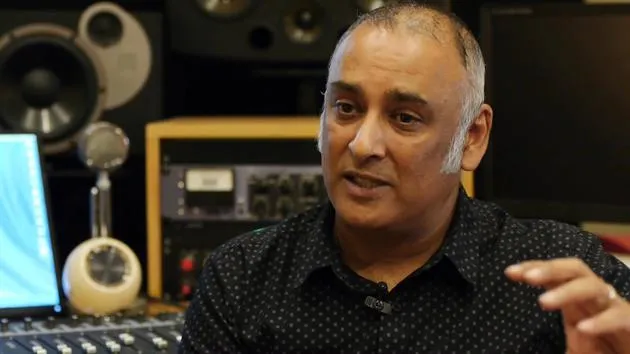
Jay Mistry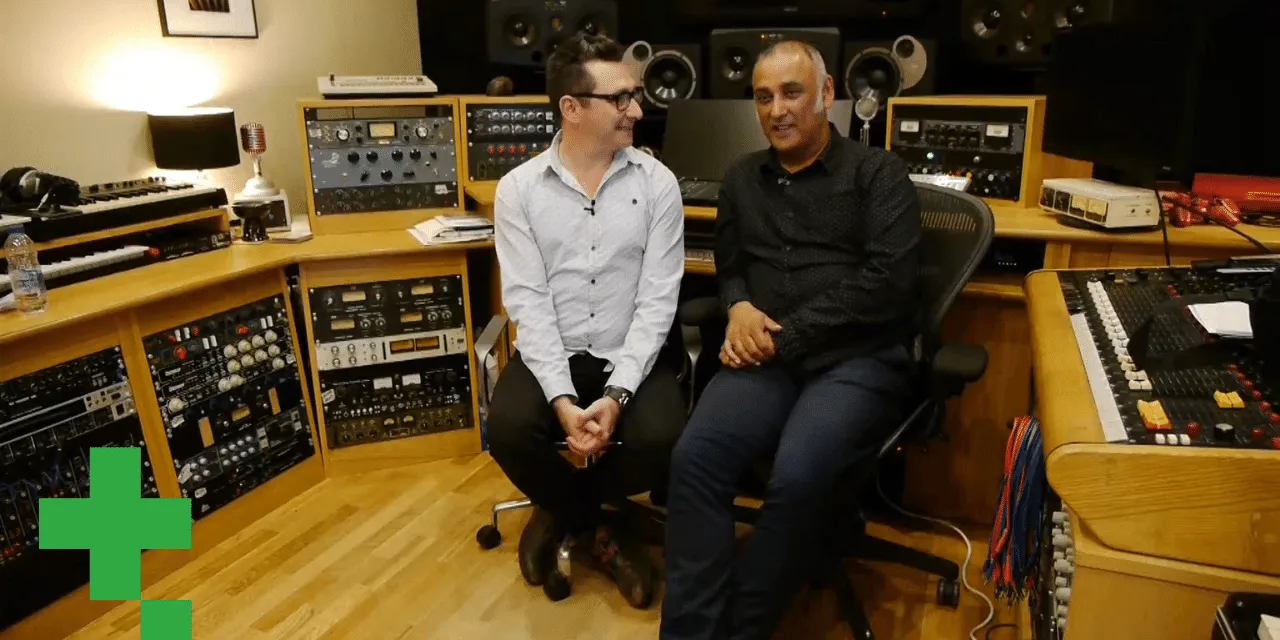
What's in the course
21 lessons (4h 21m) · 1 free
01. Introduction with Harry Leckstein and Jay Mistry
11:37
02. A short history of Publishing
6:10
03. Copyright (types of rights) & Royalties
Free lesson11:19
04. Advice for artists - getting paid & working with publishers
15:35
05. Advances, exclusivity & types of publishing deals
14:27
06. Getting started on your own
3:01
07. The Games market
You are here2:55
08. Understanding Publishing Contracts
11:51
09. The world of Sync
8:23
10. Sonic branding & what is a brief. Case study - Ollie Raphael
3:54
11. Sync jargon decrypter & myth-buster
8:38
12. Understanding roles within TV & Film industry
11:43
13. Final words of advice
9:43
01. Interview with Ollie Raphael - Delicious Digital & working with Radio
11:38

02. Interview with Dan Mallender (Phase Music) - Music, promos & trailers for TV, Radio, Film, Gaming industries
16:04

03. Interview with Rachel Menzies - Music Supervision
11:19
04. Interview with Richard Ford (Anger Music) - Working with composers
16:23
05. Interview with Stuart Belsham - Discover PRS
37:15
06. Interview with Alessio Nanni (via Skype) - Pianist & Composer
15:02
07. Interview with Rob Manning (via Skype) - Film & TV Composer
15:23

08. Interview with Xiaotian Shi (via Skype) - Film & TV Composer
18:40
Lesson transcript
Music in the Games Market
I know we're just going to take a little aside here, but we've spoken a lot about film, TV, and ads.
The Importance of Music in Gaming
Music and Its Evolution
Tell me about the games market. A lot of music goes into the games market. How important is that?
Good publishers are connecting with game manufacturers.
-
Historical Context:
- About 15 years ago, they stopped paying royalties on sales because:
- Sales were minimal at first.
- Then, they skyrocketed into the millions and tens of millions.
- Popular titles like PS4 games and Grand Theft Auto changed the landscape.
- About 15 years ago, they stopped paying royalties on sales because:
-
Shift in Compensation:
- Suddenly, manufacturers thought, "Oops, we can't keep paying royalties."
- It shifted to more of an upfront payment model.
Cinematic Music
The music within games is becoming more cinematic due to advancements in technology:
- Visuals are nearing lifelike quality.
- The music must reflect this high standard.
- There is significant financial opportunity if you can get in.
The Volume of Music Needed
In terms of volume, video games require far more music than other mediums:
-
Music Duration:
- Advertisements might last a few seconds.
- TV programs are typically much shorter.
- Video games can go on for hours.
-
Production Time:
- Some games have minimal music loops, while others need unique pieces for different scenes.
- I've known people to work on one Hollywood trailer for three months.
Licensing vs. Bespoke Music
But, you know, I've always been aware of games like Grand Theft Auto that had a radio station in the car. This introduced opportunities to play artist-based music, which is licensed.
- Key Differences:
- This is different than bespoke music.
- In licensing scenarios, game manufacturers hold all the cards.
Market Dynamics
- They were going to sell millions of these games.
- They acted as gatekeepers in this market.
- Consequently, they could even ask for payment from artists because of the expected massive audience.
Conclusion
It's a bit like YouTube now; the focus is on exploitation and reaching as many eyes and ears as possible with your music. That's what games do nowadays.
21 lessons
4h 21m of structured video lessons
Advanced video features
Slow down, loop a passage, follow along
Mobile, tablet & desktop
Practise wherever you are
100% satisfaction guarantee
30-day money-back guarantee
Meet your guru
Meet your guru
Jay Mistry is a music industry veteran of 30 years and is fluent in most aspects of the music business.
Jay began his career at the Performing Right Society before joining BMG Music Publishing, where he was asked to set up the income tracking department from scratch. In 2003, he incorporated Musical Sleuth Ltd, the first independent royalty tracking service of its kind, which counted clients such as Eric Clapton and The Beatles.
Having mastered the intricacies of copyright and royalties, Jay was asked to become Director of Music Services at The Discovery Channel in 2009. His success at Discovery led New York entrepreneurs Jingle Punks to bring him in to set up and stabilise their US publishing operation while building their global collection network. Jay currently consults for a range of high-end composers, music libraries, film producers, publishers and tech platforms.
In A Guide To Music Publishing And Synchronization, Jay distils three decades on the inside of the business into clear, practical guidance, showing you how publishing, copyright, royalties and sync deals really work - and how to make them work for you.







