



Final mixing steps & project delivery
Goetz covers the final steps of a mix - resting your ears overnight, using limiting for loudness without distortion, and how to deliver the files to your client before mastering.
What's in the course
23 lessons (2h 35m) · 1 free
Lesson transcript
Final Mixing Tips and Client Communication
Okay, so here's the last chapter. Once you feel happy with your mix and think it's done, it's not actually quite done yet. There's one crucial aspect: your client has to approve your mix.
Step Back for Objectivity
After spending all day mixing, you might believe your mix is pretty good, but you may have lost some objectivity. Here are a few suggestions to refresh your ears:
- Leave the Mix Overnight: If possible, go home and listen to it in the morning with fresh ears. You'll be amazed at what you can hear that might have stuck out when you were fatigued.
- If You Must Send It Immediately: Send off the mix if you have to do it on the same day, but try to follow the previous suggestion when you can.
Achieving Volume and Quality
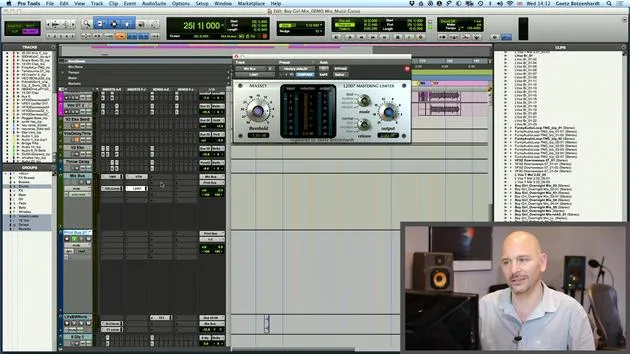
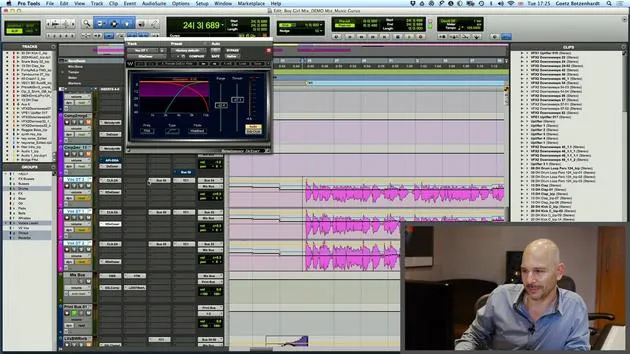
It's important that your mix is nice and loud, so maximize limiting without introducing distortion. Aim for:
- A fine balance with your limiter.
- The use of both WAV and MP3 formats when sending to the client:
- WAV: Full bandwidth for detailed listening.
- MP3: Convenient for clients who are on the go.
Communicating with the Client
When sending your mix:
- Don't just present it and say, "Here it is."
- Instead, say, "This is the first draft of the mix I've done. Please have a listen and come back to me with comments."
- Make sure to copy in the right people: usually the manager or record company who pays the bill.
Save Your Work
Before you leave, ensure all your settings are saved. When you come back, you should be able to pick up where you left off without any loss of settings. A good practice:
- Document Your Settings: Use your iPhone to take pictures of settings and email them to yourself or save them in a separate folder in the session.
Working with Feedback
When working on a mixing desk without recall:
- Avoid Changing the Mix Before Feedback: If the client says, "Your mix sounds amazing, but can we just change one thing?" and you've already modified it, that can be problematic.
The first mix I send out is usually labeled as Reference Mix One, signaling to the client that everything is still open for discussion.
Handling Client Feedback
Client feedback can sometimes be vague. Here's how to navigate it:
- Constructive Requests: Good examples include, "Can we turn the hi-hat down a dB?" or "Can we elevate this guitar riff at 1 minute 20 to 2 decibels?"
- Vague Feedback: Comments like "I prefer the demo" or "It's just a bit more blue/green" can be tricky. In such cases:
- Consider having a discussion over the phone or inviting them in for a final mix.
Always ensure that you're addressing their feelings about the mix, even if the feedback seems unfocused.
The Final Touch: Mastering
Every mixer has preferred mastering engineers. I personally trust:
- Tim Young at Metropolis - my favorite for mastering.
Ensure your mastering engineer:
- Doesn't Radically Change Your Mix: Communicate the desired sound to avoid unpleasant surprises later on.
Conclusion
Once all is said and done, remember that it's crucial for your client to be 100% happy with the mix. They will be living with it for a long time, while you will likely move on to different projects.
Thank you for listening to this course; I hope you found it informative! Keep all these tips in mind, and good luck with your mixing career. I hope you can become an awesome mixer!
23 lessons
2h 35m of structured video lessons
Advanced video features
Slow down, loop a passage, follow along
Mobile, tablet & desktop
Practise wherever you are
100% satisfaction guarantee
30-day money-back guarantee
Meet your guru

Meet your guru
In the early nineties, Goetz Botzenhardt trained at Swanyard Recording Studios, assisting top producers like Flood, Alan Moulder and Tom Lord-Alge, and cut his teeth recording and mixing the dance and Acid Jazz bands of the 90s - Incognito, Galliano, Soul II Soul and many others.
At Swanyard he met Rollo Armstrong and the two quickly formed a creative partnership, leading to many big dance records and remixes and, soon after, to recording and mixing the first two acclaimed Faithless albums and Dido's multi-platinum 'No Angel'.
Ranging across genres, he recorded and mixed the Sugababes' debut album 'One Touch', including their first hit 'Overload', and has mixed for The Cardigans, Bjork, The Cinematic Orchestra, Craig David, the Pet Shop Boys and Hikaru Utada, one of Japan's most successful artists.
More recently he expanded into film and TV, working extensively with composers Christian Henson, Martin Phipps and Anne Nikitin, and mixing Daniel Pemberton's Golden Globe-nominated score for 'Steve Jobs', directed by Danny Boyle. Away from film he produced Tanita Tikaram's 'Closer to the People', mixed tracks for Sigala, Ella Eyre, Breton, Planet Funk and Tito Jackson, and in 2016 mixed Peabo Bryson's album with Jimmy Jam and Terry Lewis. A full list of his work is on his discography and filmography pages at goetz-botzenhardt.com.
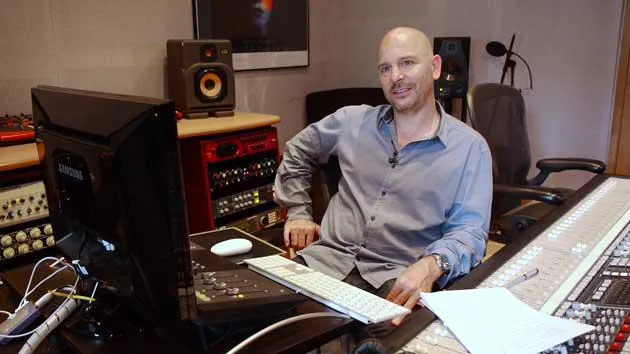
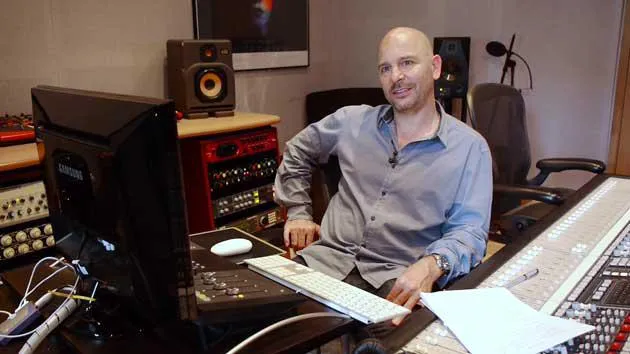
Goetz works from his own studio and mix room, built around an SSL E4044 console, Adam 5.1 surround monitoring, a 48-channel Pro Tools HDX system and choice outboard gear. In his courses he takes you inside that room to show how he mixes across two very different worlds: in Mixing for Film & TV Score, how he balances and shapes orchestral and hybrid scores to serve the picture; and in Mixing Commercial Pop Music, how he builds punchy, radio-ready pop mixes from the multitrack up.







