



Rides & Dynamics
Use level rides and dynamics so your chorus lifts the whole track - Goetz Botzenhardt's tips for pushing the drums and building tension in a pop mix.
What's in the course
23 lessons (2h 35m) · 1 free
Lesson transcript
Mixing Tutorial: Working with Dynamics
Welcome back! This chapter of our mixing tutorial focuses on the process of working with dynamics in your track.
Vocals and Embedding
After you've polished your vocals and embedded them nicely into the track, it's time to focus on some general rides.
Importance of the Chorus
One critical aspect of mixing is ensuring that when the chorus comes in, it lifts the entire track. Here are some techniques:
- Increase Drum Levels: Many mixers or producers simply turn the drums up by 2dB during each chorus.
- Push Drums at the Beginning: Elevating the drum levels at the start of the chorus can add impact.
- Create Tension Before the Chorus: Sometimes, making the track feel smaller before the chorus helps. Techniques may include:
- Filtering
- Taking out the kick drum
This approach allows you to slam the track back in once the chorus kicks off.
Automation in Pro Tools
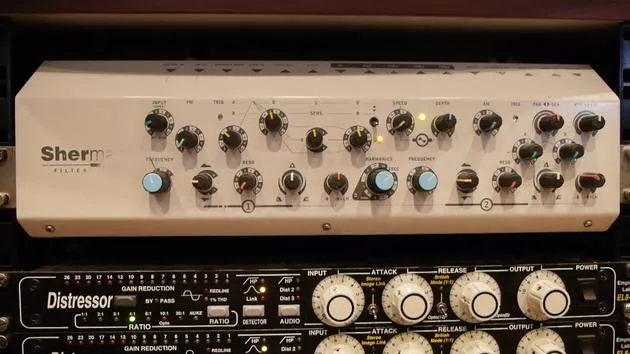
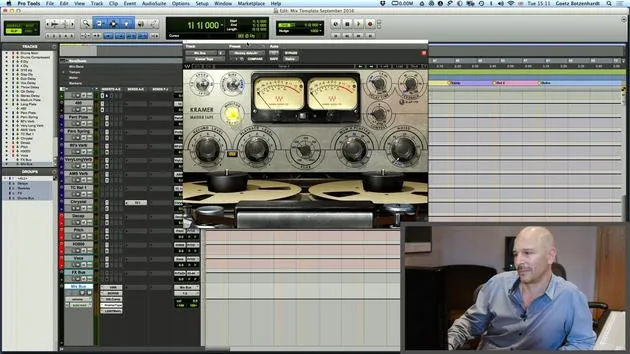
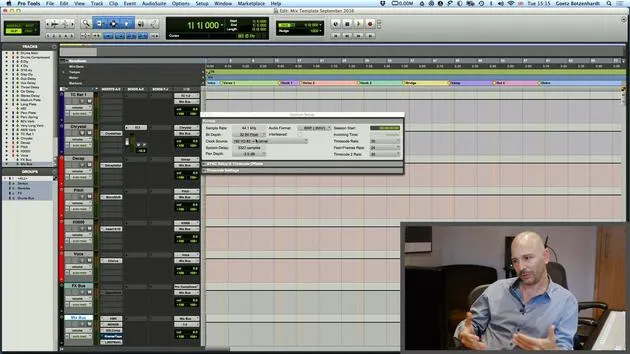
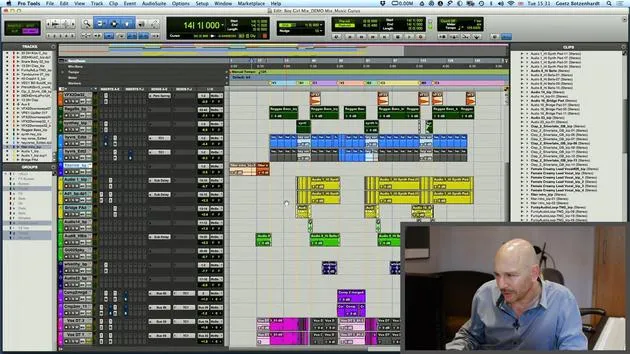
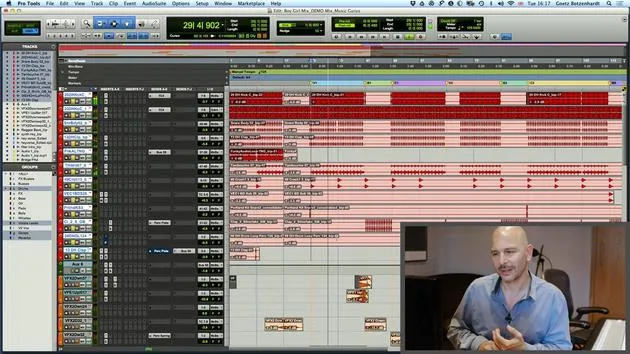
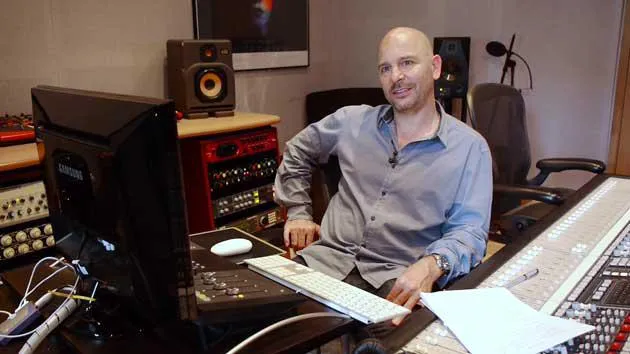
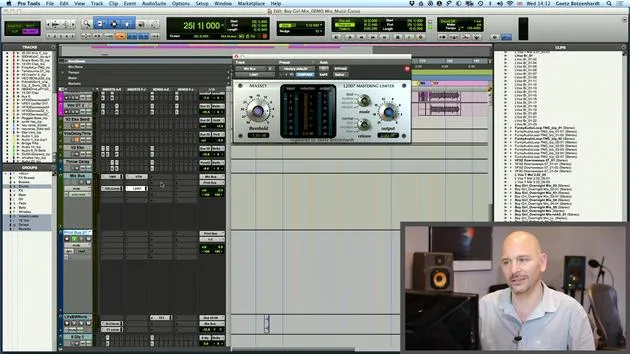
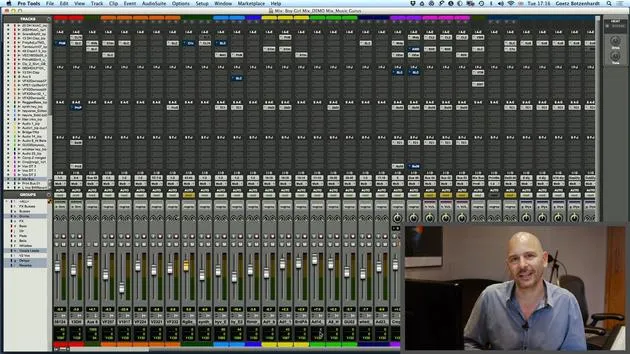
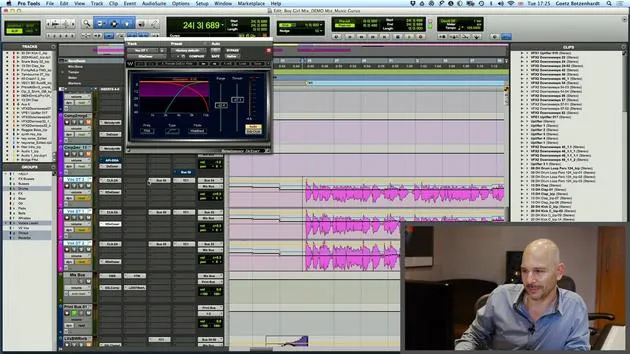
I do all my automation of levels in Pro Tools using an Avid Artist Control. This provides me with faders for precise level rides.
- You can also draw your automation directly in Pro Tools, which is another effective method.
Riding Levels
Riding levels is a vital aspect of mixing, especially for:
- Vocals
- Lead sounds
The middle eight sections often require a lot of riding as well. Always aim to incorporate light and shade for dynamics.
Key Points:
- Ensure the chorus is always slammed.
- Strings require a significant amount of riding, too.
Attention to Detail
Don't simply place your instruments in the mix thinking they will sound great without adjustments. Here's why:
- Strings in Transitions: For example, strings may play a run before the chorus, so it's important to feature those moments, especially in between vocal sections.
Since the vocal is usually the loudest element, when there's no vocal, there can be a noticeable gap. Look for nice guitar riffs or string runs that fit into that space and turn them up to maintain listener attention.
Conclusion
This is a skill that develops with practice, the more you do it, the better you'll get at using rides creatively. Remember, riding levels is essential in every mix, so go on and ride your faders!
23 lessons
2h 35m of structured video lessons
Advanced video features
Slow down, loop a passage, follow along
Mobile, tablet & desktop
Practise wherever you are
100% satisfaction guarantee
30-day money-back guarantee
Meet your guru
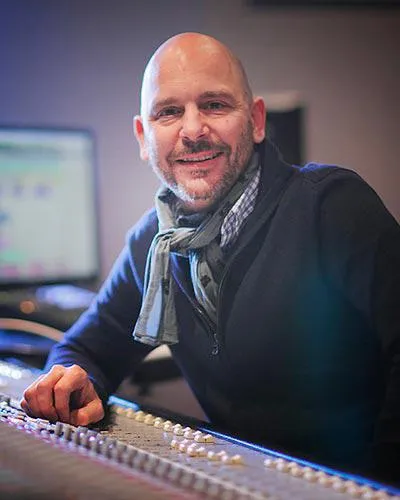
Meet your guru
In the early nineties, Goetz Botzenhardt trained at Swanyard Recording Studios, assisting top producers like Flood, Alan Moulder and Tom Lord-Alge, and cut his teeth recording and mixing the dance and Acid Jazz bands of the 90s - Incognito, Galliano, Soul II Soul and many others.
At Swanyard he met Rollo Armstrong and the two quickly formed a creative partnership, leading to many big dance records and remixes and, soon after, to recording and mixing the first two acclaimed Faithless albums and Dido's multi-platinum 'No Angel'.
Ranging across genres, he recorded and mixed the Sugababes' debut album 'One Touch', including their first hit 'Overload', and has mixed for The Cardigans, Bjork, The Cinematic Orchestra, Craig David, the Pet Shop Boys and Hikaru Utada, one of Japan's most successful artists.
More recently he expanded into film and TV, working extensively with composers Christian Henson, Martin Phipps and Anne Nikitin, and mixing Daniel Pemberton's Golden Globe-nominated score for 'Steve Jobs', directed by Danny Boyle. Away from film he produced Tanita Tikaram's 'Closer to the People', mixed tracks for Sigala, Ella Eyre, Breton, Planet Funk and Tito Jackson, and in 2016 mixed Peabo Bryson's album with Jimmy Jam and Terry Lewis. A full list of his work is on his discography and filmography pages at goetz-botzenhardt.com.
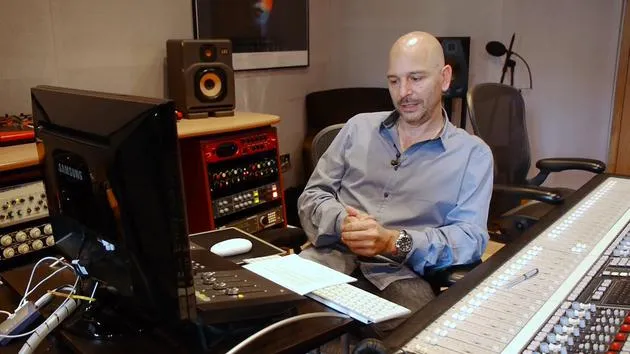
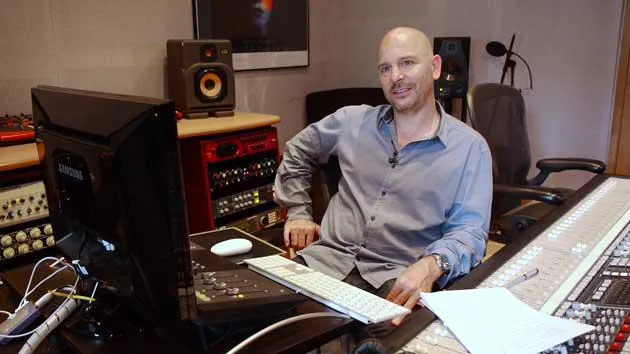
Goetz works from his own studio and mix room, built around an SSL E4044 console, Adam 5.1 surround monitoring, a 48-channel Pro Tools HDX system and choice outboard gear. In his courses he takes you inside that room to show how he mixes across two very different worlds: in Mixing for Film & TV Score, how he balances and shapes orchestral and hybrid scores to serve the picture; and in Mixing Commercial Pop Music, how he builds punchy, radio-ready pop mixes from the multitrack up.







