Règles de base du contrat et l'argent

Avec
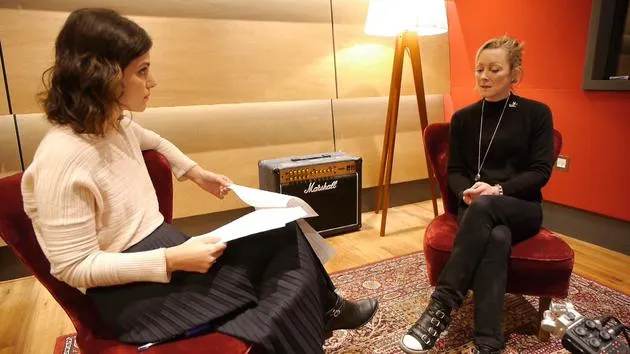
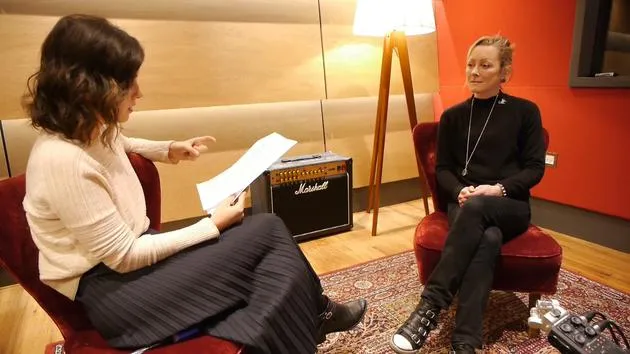
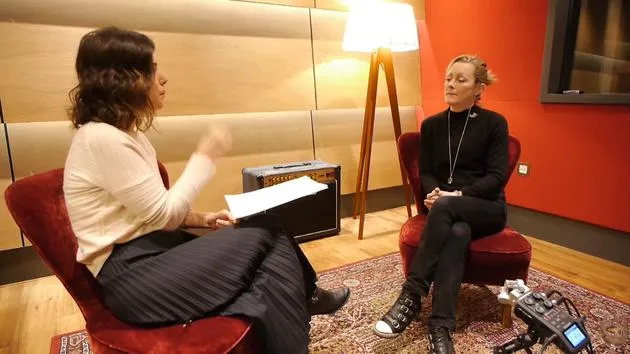
Imogen HeapLucie et Katie Melua décomposent un contrat de musique : les parties impliquées, le langage juridique et la manière dont l'aspect financier d'un accord est défini.
Le contenu du cours
44 leçons (2h 11min) · 1 gratuites
01. Rencontre les managers, pourquoi tu en as besoin et ce qu'ils font
2:35
02. Trouver un management : ce que recherchent les managers
Leçon gratuite4:39
03. La nature de la relation artiste-manager
5:18

04. Se comporter en professionnel
2:50

05. Qui ensuite ? Construire ton équipe
2:14
06. Commission habituelle des managers
2:56

01. Comprendre ton activité et ses investisseurs
3:51
02. Le financement par les amis et la famille
1:55
03. Financement par subventions
2:41
04. Le crowdfunding
4:18

05. Le modèle de Pledge Music
5:01
06. Sponsoring et partenariats de marque
3:03
07. Financement par emprunt
2:51

08. Investissement en capital
2:35


















Transcription de la leçon
Music Lesson Formatting
Overview of Contract Structure
So, we've spoken about the five headline structure elements in every contract:
- Time
- Territory
- What works
- Obligations of both sides
- Money
Shall we dive in and take a closer look?
Parties to the Contract
Let's start at the very beginning. You usually see a section that says "between" followed by the name of the manager, and then it states "hereinafter we, us, our."
Explanation of "Hereinafter"
-
What does "hereinafter" refer to?
This term is used to denote the short forms of the names of the parties involved. Once you have given the formal name of one party, there will be short forms to make drafting easier. Later references in the contract that are in inverted commas will refer back to that formal introduction.
Clarity in References
-
Why use "we, us, our"?
It's essential because it specifies who is being referred to in future clauses. If you ever feel confused about who "I" or "you" means, whether it's the manager or another party, always refer back to the beginning where these definitions are made clear.
Setting the Scene
The first part of the contract involves:
- Identifying the Parties: Confirming who is involved in the agreement.
- Fundamental Aspects: Outlining what the agreement includes and the roles of each party.
This section acts as a summary, ensuring everyone is clear on the details.
The Term of the Contract
- Heading: Term (in bold)
Here we note that this section should be negotiated between the manager and the artist.
Important Notes:
- There are many different options and no particular standard term.
- Flexibility in discussions is encouraged, be open and honest about concerns.
- Initial Setup: Establishing clear terms from the start supports the ongoing working relationship.
Handling Money
A significant point raised by a great lawyer, Anne Harrison, is about who will handle the money:
- Manager vs. Artist: In previous contracts, your management handled finances. However, as you grow, it's often better for the artist to take control over their income.
Example from Experience:
- In your early career, having a manager handle finances might have been beneficial due to your youth and inexperience.
- Later, being in control of your finances allows better oversight of your business dealings.
Accounting Responsibilities
Section 6.3 - Accounting
- Key Point: You shall have the right to collect all sums arising from your activities and appoint an accountant with relevant experience in the entertainment industry when appropriate.
Breakdown of Clause 6.1:
- Delivery of Account: You must provide a detailed account with relevant information.
- Access to Accounts: Online access to your accounts should be granted to the manager within 30 days after the end of every calendar quarter.
- Payment of Commission: You're obligated to pay the commission at the same time as delivering such a statement.
Key Responsibilities:
- This underscores that the artist is primarily responsible for their incoming funds but can delegate this task if they choose.
Importance of Clarity
- Having a structured team can make financial management feel less daunting and more efficient.
- The goal is to avoid catch-up situations by staying informed and proactive about money management.
Final Points on Advances:
-
On Personal Advances: Any personal advances received over £5,000 must be reported and the commission paid within 30 days of receipt.
This element ties into clauses about earnings and clarifies any exceptions related to payment structures.
By establishing a solid routine and ensuring that you have good processes and guidance, being in control can become a manageable and organized part of your career.
44 leçons
2h 11m de leçons vidéo structurées
Fonctions vidéo avancées
Ralentissez, bouclez un passage, suivez la partition
Mobile, tablette et ordinateur
Pratiquez où vous voulez
Satisfaction garantie à 100 %
Garantie remboursement 30 jours
Rencontrez votre guru
Rencontrez votre guru
Imogen Heap est une chanteuse, autrice-compositrice, productrice et technologue anglaise récompensée aux Grammy Awards, dont l'influence traverse deux décennies de pop, d'électro et de musique de film — ainsi qu'une grande partie de la technologie que les artistes d'aujourd'hui tiennent pour acquise.
Née à Londres en 1977 et formée classiquement au piano, au violoncelle et à la clarinette, elle publie son premier album 'iMegaphone' en 1998 avant de former le duo Frou Frou avec le producteur Guy Sigsworth, dont la chanson 'Let Go' touche un public mondial grâce au film Garden State. Son album 'Speak for Yourself' (2005), entièrement écrit et produit par ses soins, contient 'Hide and Seek', morceau a cappella devenu culte, qui propulsera plus tard le nº 1 de Jason Derulo 'Whatcha Say' et 'Goodnight n Go' d'Ariana Grande, et continue de conquérir de nouvelles générations d'auditeurs.
'Ellipse' (2009) remporte le Grammy dans la catégorie Best Engineered Album, Non-Classical — enregistré dans son studio personnel — et elle coécrit et produit ensuite 'Clean' sur '1989' de Taylor Swift, sacré album de l'année aux Grammy. Elle a également composé la musique de la pièce 'Harry Potter and the Cursed Child'.
Innovatrice infatigable, Heap a développé les gants gestuels MI.MU — salués par trois doctorats honorifiques — et fondé Mycelia et The Creative Passport, des initiatives qui bâtissent un écosystème de données plus équitable pour les artistes. En 2024, elle revient avec 'What Have You Done to Me?', créé avec Mogen, son alter ego vocal issu de l'IA, tandis que la résurgence virale de 'Headlock' fait découvrir sa musique à des millions de nouveaux fans.