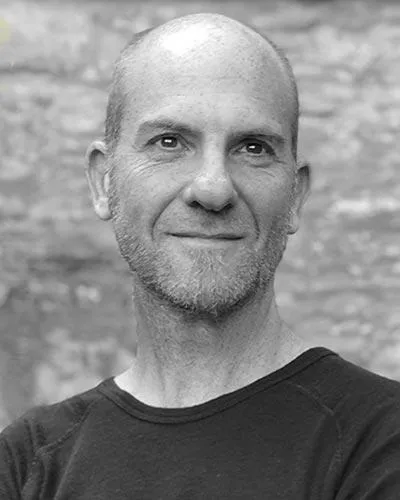
Rester fidèle à toi-même en tant qu’artiste

Avec
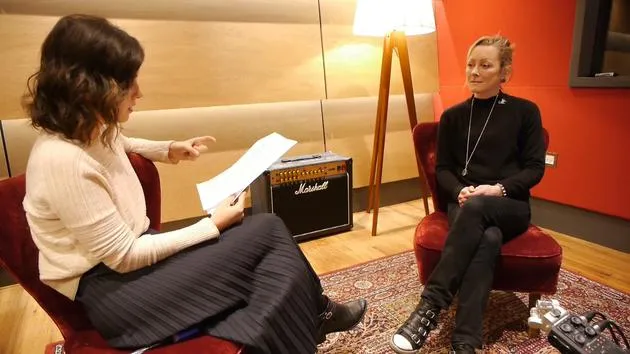
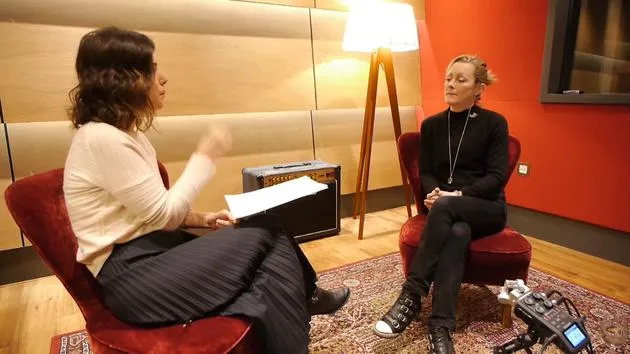
Imogen HeapLa psychologue comportementale Claire Cvier explique l’importance de savoir qui tu es en tant qu’artiste, et pourquoi bâtir une carrière sur le rêve de quelqu’un d’autre peut causer de réels dommages psychologiques.
Le contenu du cours
44 leçons (2h 11min) · 1 gratuites
01. Rencontre les managers, pourquoi tu en as besoin et ce qu'ils font
2:35
02. Trouver un management : ce que recherchent les managers
Leçon gratuite4:39
03. La nature de la relation artiste-manager
5:18

04. Se comporter en professionnel
2:50

05. Qui ensuite ? Construire ton équipe
2:14
06. Commission habituelle des managers
2:56

01. Comprendre ton activité et ses investisseurs
3:51

02. Le financement par les amis et la famille
1:55

03. Financement par subventions
2:41

04. Le crowdfunding
4:18

05. Le modèle de Pledge Music
5:01

06. Sponsoring et partenariats de marque
3:03

07. Financement par emprunt
2:51

08. Investissement en capital
2:35





















Transcription de la leçon
Music Mentorship Insights with Claire Cvier
Introduction
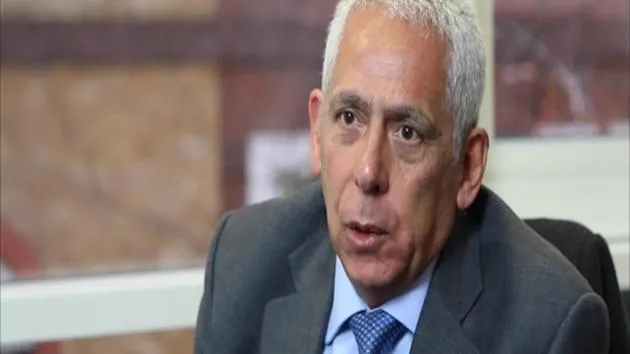
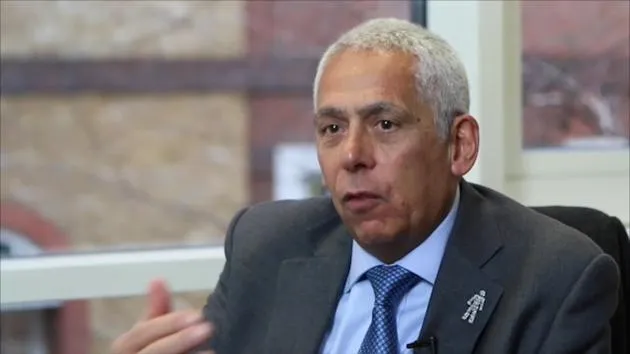
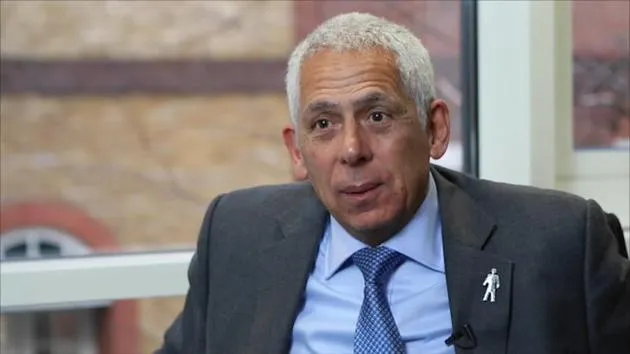
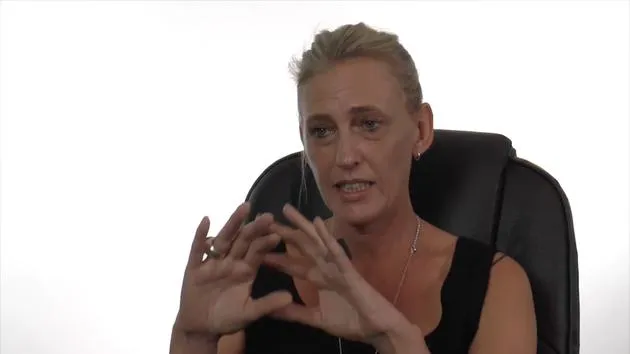
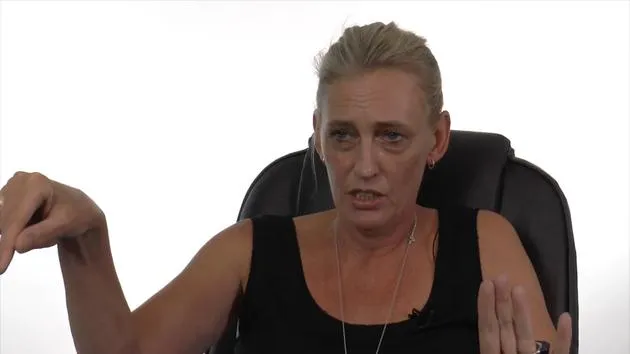
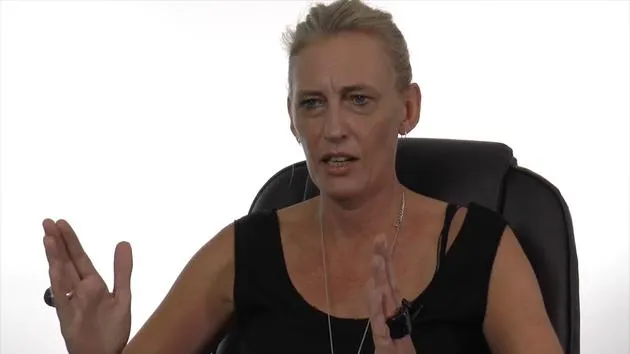
My name's Claire Cvier. I work now as a behavioural psychologist. I apply behavioural psychology to mentoring and developing artists, as well as assisting management companies, agents, labels, and publishers when artists need a little bit of extra support.
Finding Your Destination
When I work with new people who are really starting from scratch, I take them into this sort of value system:
- Finding Your Goal: Ask yourself, if you were getting in a taxi, do you know the exact destination you want to go to?
- Are you vaguely saying it's about fame or happiness?
- You have to really focus on what your message is and why you're doing this, as well as the greater good of your work.
Once you set that charter, it starts to make it a lot easier to determine what measures need to be taken to reach your final destination.
The Challenges Artists Face
There's a lot of artists who sign with labels, and they often feel pressured to conform. They may:
- Take the first deal offered
- Wear the clothes suggested
- Change their appearance based on external opinions
I think it's been documented that artists like Marina and the Diamonds have experienced similar challenges. You achieve some success, collaborate, write with others, and release an album that the record company and your manager want to put out.
Even at the time, it's easy to think, "Hey, I can't complain about this; I'm doing well." But then comes the realization:
"Oh, that's not representative of the person I am."
Marina has since written an album herself and expressed satisfaction with it, stating:
"I don't really mind if it doesn't sell or if it's not a massive commercial success."
Understanding Success
It's crucial to understand what success means to you. Fame is a very strange, abstract thing. Do you want a long-term, sustainable career in music? If so, the more you build up your skill set, the better.
- If you're just a singer doing covers without the ability to play or produce, you may find yourself living someone else's dream.
- That's fine if you understand that it is someone else's dream.
However, if you know deep down that you need to write these songs and have words to express, remember:
- Your value is significant.
- There is a reason you are doing what you do; it can change the world in some way, whether it's making people happier or connecting with others who have been in similar situations.
The Cost of Fame
You really do have to acknowledge this. If you don't, you often see where people take the fame, and it turns into:
- Drugs
- Drinking
- Self-harm
You must measure what you're losing along the way to get to where you want to be.
Consider the sacrifices required:
- Being apart from family
- Navigating relationships
It's very difficult to maintain a relationship while pursuing a career as a musician. You have to let a lot go.
"You can't have it all."
Ultimately, you need to assess whether it's possible for you to balance these aspects, as ignoring this can lead to dangerous outcomes.
44 leçons
2h 11m de leçons vidéo structurées
Fonctions vidéo avancées
Ralentissez, bouclez un passage, suivez la partition
Mobile, tablette et ordinateur
Pratiquez où vous voulez
Satisfaction garantie à 100 %
Garantie remboursement 30 jours
Rencontrez votre guru
Rencontrez votre guru
Imogen Heap est une chanteuse, autrice-compositrice, productrice et technologue anglaise récompensée aux Grammy Awards, dont l'influence traverse deux décennies de pop, d'électro et de musique de film — ainsi qu'une grande partie de la technologie que les artistes d'aujourd'hui tiennent pour acquise.
Née à Londres en 1977 et formée classiquement au piano, au violoncelle et à la clarinette, elle publie son premier album 'iMegaphone' en 1998 avant de former le duo Frou Frou avec le producteur Guy Sigsworth, dont la chanson 'Let Go' touche un public mondial grâce au film Garden State. Son album 'Speak for Yourself' (2005), entièrement écrit et produit par ses soins, contient 'Hide and Seek', morceau a cappella devenu culte, qui propulsera plus tard le nº 1 de Jason Derulo 'Whatcha Say' et 'Goodnight n Go' d'Ariana Grande, et continue de conquérir de nouvelles générations d'auditeurs.
'Ellipse' (2009) remporte le Grammy dans la catégorie Best Engineered Album, Non-Classical — enregistré dans son studio personnel — et elle coécrit et produit ensuite 'Clean' sur '1989' de Taylor Swift, sacré album de l'année aux Grammy. Elle a également composé la musique de la pièce 'Harry Potter and the Cursed Child'.
Innovatrice infatigable, Heap a développé les gants gestuels MI.MU — salués par trois doctorats honorifiques — et fondé Mycelia et The Creative Passport, des initiatives qui bâtissent un écosystème de données plus équitable pour les artistes. En 2024, elle revient avec 'What Have You Done to Me?', créé avec Mogen, son alter ego vocal issu de l'IA, tandis que la résurgence virale de 'Headlock' fait découvrir sa musique à des millions de nouveaux fans.