Types de copyright

Avec
Imogen Heap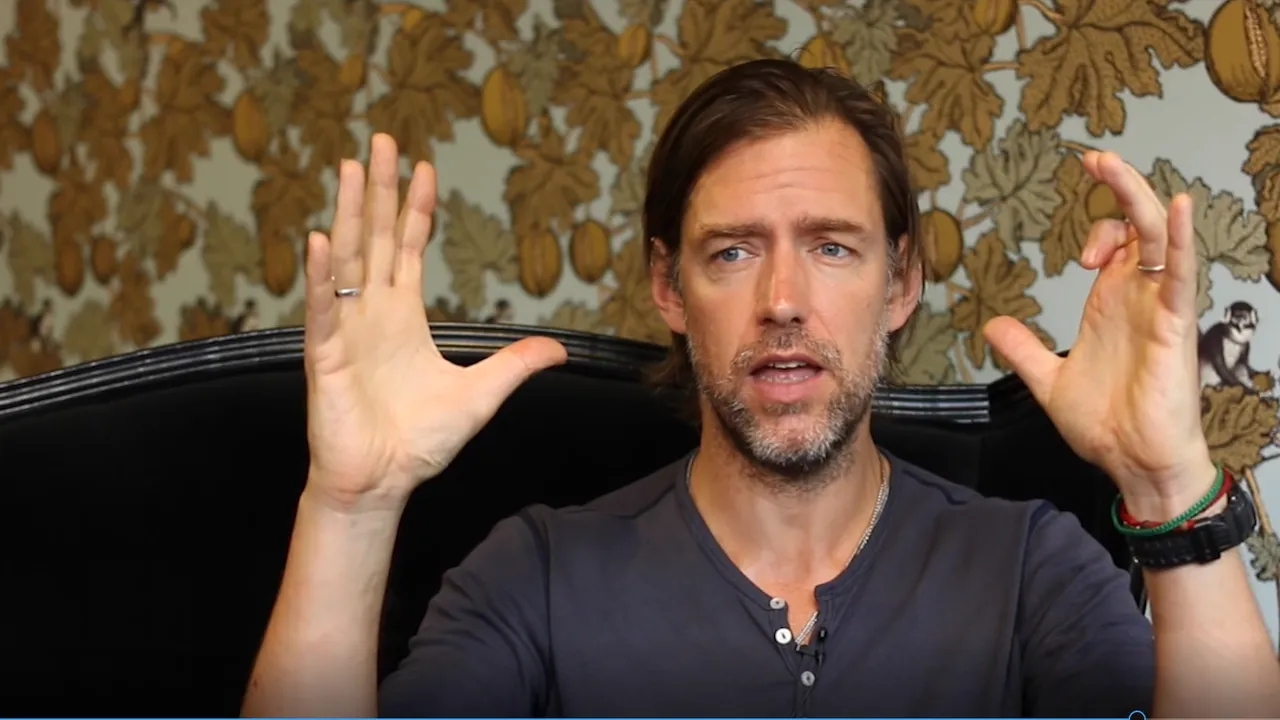
Le contenu du cours
44 leçons (2h 11min) · 1 gratuites
01. Rencontre les managers, pourquoi tu en as besoin et ce qu'ils font
2:35
02. Trouver un management : ce que recherchent les managers
Leçon gratuite4:39
03. La nature de la relation artiste-manager
5:18
04. Se comporter en professionnel
2:50
05. Qui ensuite ? Construire ton équipe
2:14

06. Commission habituelle des managers
2:56
01. Comprendre ton activité et ses investisseurs
3:51
02. Le financement par les amis et la famille
1:55
03. Financement par subventions
2:41
04. Le crowdfunding
4:18
05. Le modèle de Pledge Music
5:01
06. Sponsoring et partenariats de marque
3:03
07. Financement par emprunt
2:51
08. Investissement en capital
2:35



Transcription de la leçon
Understanding Musical and Lyrical Works vs. Sound Recordings
In the music industry, it's essential to differentiate between two types of works:
- Musical and Lyric Works: These are the actual songs themselves.
- Sound Recording Works: These are recordings of those songs.
The Importance of Distinction
It's important to bear in mind that these are entirely separate works. Let's start with the underlying music and lyrics. Historically, this structure was established during the era of Tin Pan Alley and Brill Building songwriters.
The Classic Songwriting Process
Imagine two men smoking cigarettes with an upright piano, writing music and lyrics together. This process typically involved:
- A lyricist providing lyrics.
- A composer (often at the piano) writing the music to accompany those lyrics.
It was a collaborative effort, often split 50/50.
Evolution of Collaboration
While some core principles still hold true, the landscape has changed dramatically. Nowadays, artists collaborate in a variety of ways:
- Some write everything themselves.
- Others collaborate with different producers and songwriters.
The lines between producers and writers have become increasingly blurred:
- Producers are no longer just facilitators of recording.
- They might create beats and musical arrangements, with a top-line writer composing lyrics over them.
Rights and Copyright
The evolution has made the understanding of rights quite complex. Here are the key points to remember:
- The copyright in the music and lyrics is an underlying right.
- Once a recording is made of that copyrighted work, a separate set of rights attaches to the sound recording.
Example: The Beatles' "Yesterday"
Take for example the Beatles' song "Yesterday."
- There is only one musical and lyrical work.
- However, there are multiple sound recording works, including:
- The original by the Beatles.
- Various cover versions by different artists.
Thus, from one song, there can be hundreds of sound recording works derived from the original music and lyrics.
44 leçons
2h 11m de leçons vidéo structurées
Fonctions vidéo avancées
Ralentissez, bouclez un passage, suivez la partition
Mobile, tablette et ordinateur
Pratiquez où vous voulez
Satisfaction garantie à 100 %
Garantie remboursement 30 jours
Rencontrez votre guru
Rencontrez votre guru
Imogen Heap est une chanteuse, autrice-compositrice, productrice et technologue anglaise récompensée aux Grammy Awards, dont l'influence traverse deux décennies de pop, d'électro et de musique de film — ainsi qu'une grande partie de la technologie que les artistes d'aujourd'hui tiennent pour acquise.
Née à Londres en 1977 et formée classiquement au piano, au violoncelle et à la clarinette, elle publie son premier album 'iMegaphone' en 1998 avant de former le duo Frou Frou avec le producteur Guy Sigsworth, dont la chanson 'Let Go' touche un public mondial grâce au film Garden State. Son album 'Speak for Yourself' (2005), entièrement écrit et produit par ses soins, contient 'Hide and Seek', morceau a cappella devenu culte, qui propulsera plus tard le nº 1 de Jason Derulo 'Whatcha Say' et 'Goodnight n Go' d'Ariana Grande, et continue de conquérir de nouvelles générations d'auditeurs.
'Ellipse' (2009) remporte le Grammy dans la catégorie Best Engineered Album, Non-Classical — enregistré dans son studio personnel — et elle coécrit et produit ensuite 'Clean' sur '1989' de Taylor Swift, sacré album de l'année aux Grammy. Elle a également composé la musique de la pièce 'Harry Potter and the Cursed Child'.
Innovatrice infatigable, Heap a développé les gants gestuels MI.MU — salués par trois doctorats honorifiques — et fondé Mycelia et The Creative Passport, des initiatives qui bâtissent un écosystème de données plus équitable pour les artistes. En 2024, elle revient avec 'What Have You Done to Me?', créé avec Mogen, son alter ego vocal issu de l'IA, tandis que la résurgence virale de 'Headlock' fait découvrir sa musique à des millions de nouveaux fans.