Comprendre ton activité et ses investisseurs

Avec
Imogen HeapDes conseillers du secteur expliquent les différentes façons de financer une carrière musicale, des subventions et du crowdfunding à l'investissement en capital, et ce que les investisseurs attendent en retour.
Le contenu du cours
44 leçons (2h 11min) · 1 gratuites
01. Rencontre les managers, pourquoi tu en as besoin et ce qu'ils font
2:35
02. Trouver un management : ce que recherchent les managers
Leçon gratuite4:39
03. La nature de la relation artiste-manager
5:18
04. Se comporter en professionnel
2:50
05. Qui ensuite ? Construire ton équipe
2:14
06. Commission habituelle des managers
2:56
01. Comprendre ton activité et ses investisseurs
Tu es ici3:51
02. Le financement par les amis et la famille
1:55
03. Financement par subventions
2:41
04. Le crowdfunding
4:18
05. Le modèle de Pledge Music
5:01
06. Sponsoring et partenariats de marque
3:03
07. Financement par emprunt
2:51
08. Investissement en capital
2:35
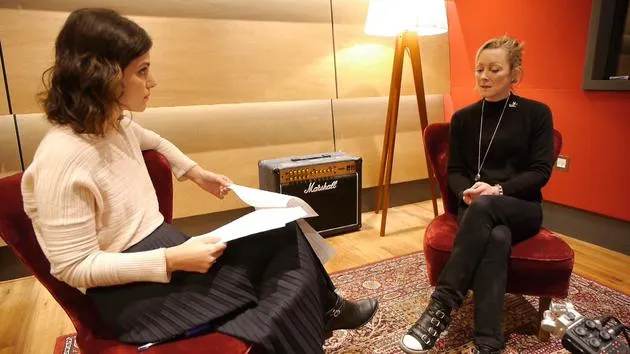
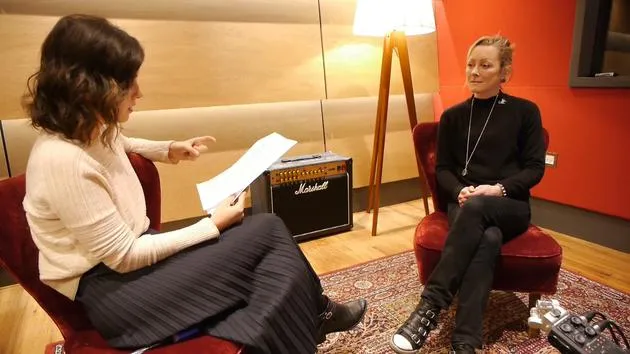
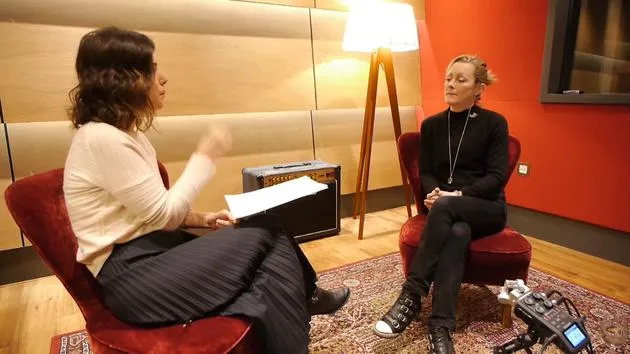
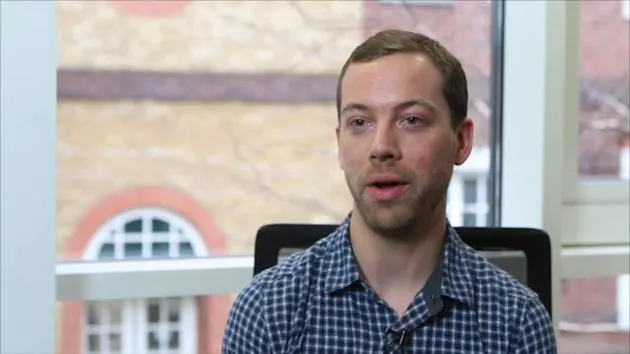
Transcription de la leçon
Lesson on Music Industry Finance
Introduction
My name is Chris Panay. I'm an accountant.
I'm Paul Barton, the managing director of Pledge Music UK.
My name is Remy Harris. I'm a consultant and a business advisor. I run my own company, CC Pen, Eye & Co., and have done so for the last 35 years.
Understanding the Music Industry
Pledge Music is a direct-to-fan music company that's designed to work with facets of the music industry.
Key Components
My specialty is advising music companies on finance and funding.
- Every artist must recognize that we call it the music industry for one reason: it is an industry.
- Just like any other industry, you must know all the key components.
Common Misconceptions
I've had people in the past say to me:
"I don't want to know anything about the money, I just want to concentrate on my art."
It has been said to me so many times. My view is:
"No, you have to know about your business."
We will teach you about your business across all types of funding and investment.
Understanding Financial Expectations
The most important thing is to understand what the person that you're asking for money wants.
- Know their expectations of you.
- Whether it's asking your mum for money or a venture capital investor or the bank, they all have different reasons for being willing to invest in you.
- They may want to make a lot of money back.
- They may just want to see you do well.
It's really important to focus on what that person wants and how you're going to communicate that to them.
The Importance of Financial Awareness
There will come a day when you will want to know about your money:
- How much money do you have?
- How long can it last?
- Why have I got so little?
- Why have I got so much?
It's crucial for every single artist to take the role of their accountant very, very seriously.
The Accountant's Role
I know some artists find it daunting, but they shouldn't.
- Your accountant is part of your management team.
- They are no different from your manager, who guides your career, or your lawyer, who provides legal protection.
The accountant is there to guide you in terms of your business career.
Developing Lifelong Financial Skills
By taking control of the financial side of your business, you're going to develop lifelong skills that will aid your career.
- Hopefully, you'll have a long career as an artist and will need these skills for negotiating deals and sorting out the money side of things.
Continuing to Seek Opportunities
Even if you're not successful at first, spend time and effort looking into opportunities for funding.
"It could be really, really valuable for sustaining your career in the long term."
The Importance of Strong Professional Relationships
My mantra, especially for young artists, is:
"You're only as strong as your weakest link."
- If you have a weak manager, your career will not progress as quickly or at all.
- If you have a weak lawyer, where the contractual ramifications haven't been thought through, you will encounter problems down the line.
- The same applies to an accountant.
If the accountant isn't fully on board and knows what they're doing, that deficiency will be illustrated very clearly at some point.
Conclusion
It's very important for everyone to recognize their role, and the artist is at the epicenter, looking at each component part.
44 leçons
2h 11m de leçons vidéo structurées
Fonctions vidéo avancées
Ralentissez, bouclez un passage, suivez la partition
Mobile, tablette et ordinateur
Pratiquez où vous voulez
Satisfaction garantie à 100 %
Garantie remboursement 30 jours
Rencontrez votre guru
Rencontrez votre guru
Imogen Heap est une chanteuse, autrice-compositrice, productrice et technologue anglaise récompensée aux Grammy Awards, dont l'influence traverse deux décennies de pop, d'électro et de musique de film — ainsi qu'une grande partie de la technologie que les artistes d'aujourd'hui tiennent pour acquise.
Née à Londres en 1977 et formée classiquement au piano, au violoncelle et à la clarinette, elle publie son premier album 'iMegaphone' en 1998 avant de former le duo Frou Frou avec le producteur Guy Sigsworth, dont la chanson 'Let Go' touche un public mondial grâce au film Garden State. Son album 'Speak for Yourself' (2005), entièrement écrit et produit par ses soins, contient 'Hide and Seek', morceau a cappella devenu culte, qui propulsera plus tard le nº 1 de Jason Derulo 'Whatcha Say' et 'Goodnight n Go' d'Ariana Grande, et continue de conquérir de nouvelles générations d'auditeurs.
'Ellipse' (2009) remporte le Grammy dans la catégorie Best Engineered Album, Non-Classical — enregistré dans son studio personnel — et elle coécrit et produit ensuite 'Clean' sur '1989' de Taylor Swift, sacré album de l'année aux Grammy. Elle a également composé la musique de la pièce 'Harry Potter and the Cursed Child'.
Innovatrice infatigable, Heap a développé les gants gestuels MI.MU — salués par trois doctorats honorifiques — et fondé Mycelia et The Creative Passport, des initiatives qui bâtissent un écosystème de données plus équitable pour les artistes. En 2024, elle revient avec 'What Have You Done to Me?', créé avec Mogen, son alter ego vocal issu de l'IA, tandis que la résurgence virale de 'Headlock' fait découvrir sa musique à des millions de nouveaux fans.