Trouver un management : ce que recherchent les managers

Avec
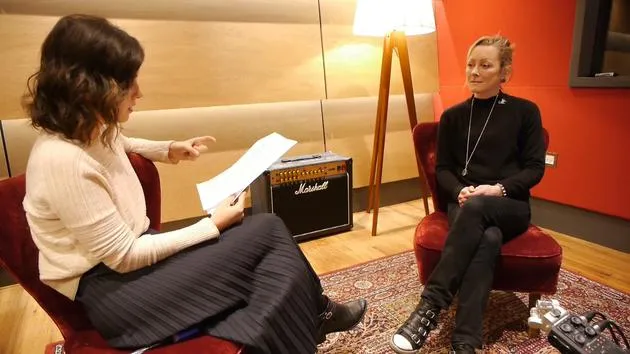
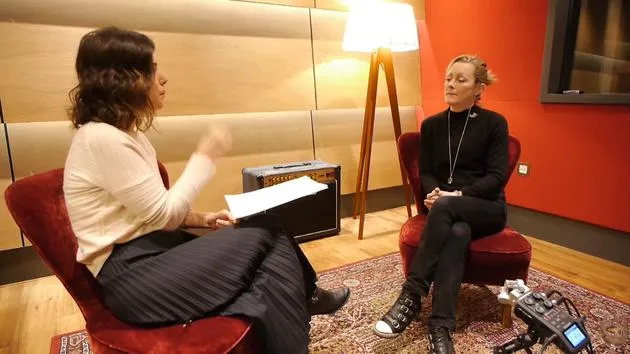
Imogen HeapComment trouver un manager ? Que recherchent-ils chez un artiste ? Au début, le management peut être un arrangement moins formel impliquant des amis et la famille, mais à mesure que le succès grandit, tu auras besoin de l'expérience d'un professionnel, et gérer cette transition au sein de ton équipe de management est l'un des premiers défis majeurs de la carrière de tout artiste
Le contenu du cours
44 leçons (2h 11min) · 1 gratuites
01. Rencontre les managers, pourquoi tu en as besoin et ce qu'ils font
2:35
02. Trouver un management : ce que recherchent les managers
Tu es ici4:39
03. La nature de la relation artiste-manager
5:18
04. Se comporter en professionnel
2:50
05. Qui ensuite ? Construire ton équipe
2:14
06. Commission habituelle des managers
2:56

01. Comprendre ton activité et ses investisseurs
3:51
02. Le financement par les amis et la famille
1:55
03. Financement par subventions
2:41
04. Le crowdfunding
4:18
05. Le modèle de Pledge Music
5:01
06. Sponsoring et partenariats de marque
3:03
07. Financement par emprunt
2:51
08. Investissement en capital
2:35
Transcription de la leçon
How to Attract a Manager as an Artist
It is always difficult to fight to get a manager. This is the number one question we receive the most.
The Search for Management
There is no direct answer, apart from the one we always quote: A manager will find you. They will discover you if you're good and start drawing crowds or selling music. When you begin making money, that's when people will be attracted to you.
The Importance of Your Digital Profile
What is happening with you online as an artist is becoming increasingly important. Consider:
- Your digital profile
- How engaged you are with your audience
Platforms such as Twitter, Instagram, Facebook, and Vine are crucial. By actively demonstrating initiative, you not only show that you can do things yourself, but you also connect with an audience on a large scale.
Changing Dynamics in A&R
Traditionally, A&R people and managers would go to specific clubs in certain cities to gauge the vibe around an artist. The classic CBGB scenario doesn't happen as much anymore. Now, it's all about online visibility. That's where people are looking for action.
The Financial Reality
Of course, there is a huge issue here: when an artist is starting out, they are typically making no money. Consequently, the manager is also making no money. Thus, a manager must either:
- Have total belief in that artist, hoping to recoup their investment in the future, or
- Be successful in some other way, which is rare.
This often leads to the artist having to manage aspects of their career themselves, which can be uncomfortable.
Roles Within a Band
In a band, you might find that one member is more driven and wants to take on the management role. For a solo artist, this is a bit more difficult.
- Without that driven person, you tend to see friends, parents, or even former band members stepping in to take charge.
- These individuals often say, "I can book the gig, drive the van, sell the merch, and negotiate with promoters."
Growth of Management
This is how many artists get the help they need. Over time, these individuals may grow into proper managers or get replaced by more professional managers when the band starts becoming successful.
The Challenge of Keeping Up
It's difficult, particularly for someone who starts out helping an artist, to keep up with what is needed at various stages of an artist's career. If an artist becomes very successful very quickly, a good person who has been supportive from the beginning will recognize this.
- They may partner with someone more experienced or bring in additional help.
Trust and Relationships
The relationship between the manager and the artist is crucial. If there is trust, they'll work together. However, if whispers arise, suggesting that the manager lacks knowledge or that more help is needed, fractures can appear, and partnerships may dissolve.
In summary, building a successful artist-manager relationship requires patience, a strong digital presence, and an understanding of the evolving landscape of the music industry.
44 leçons
2h 11m de leçons vidéo structurées
Fonctions vidéo avancées
Ralentissez, bouclez un passage, suivez la partition
Mobile, tablette et ordinateur
Pratiquez où vous voulez
Satisfaction garantie à 100 %
Garantie remboursement 30 jours
Rencontrez votre guru
Rencontrez votre guru
Imogen Heap est une chanteuse, autrice-compositrice, productrice et technologue anglaise récompensée aux Grammy Awards, dont l'influence traverse deux décennies de pop, d'électro et de musique de film — ainsi qu'une grande partie de la technologie que les artistes d'aujourd'hui tiennent pour acquise.
Née à Londres en 1977 et formée classiquement au piano, au violoncelle et à la clarinette, elle publie son premier album 'iMegaphone' en 1998 avant de former le duo Frou Frou avec le producteur Guy Sigsworth, dont la chanson 'Let Go' touche un public mondial grâce au film Garden State. Son album 'Speak for Yourself' (2005), entièrement écrit et produit par ses soins, contient 'Hide and Seek', morceau a cappella devenu culte, qui propulsera plus tard le nº 1 de Jason Derulo 'Whatcha Say' et 'Goodnight n Go' d'Ariana Grande, et continue de conquérir de nouvelles générations d'auditeurs.
'Ellipse' (2009) remporte le Grammy dans la catégorie Best Engineered Album, Non-Classical — enregistré dans son studio personnel — et elle coécrit et produit ensuite 'Clean' sur '1989' de Taylor Swift, sacré album de l'année aux Grammy. Elle a également composé la musique de la pièce 'Harry Potter and the Cursed Child'.
Innovatrice infatigable, Heap a développé les gants gestuels MI.MU — salués par trois doctorats honorifiques — et fondé Mycelia et The Creative Passport, des initiatives qui bâtissent un écosystème de données plus équitable pour les artistes. En 2024, elle revient avec 'What Have You Done to Me?', créé avec Mogen, son alter ego vocal issu de l'IA, tandis que la résurgence virale de 'Headlock' fait découvrir sa musique à des millions de nouveaux fans.