Principes de négociation

Avec
Imogen Heap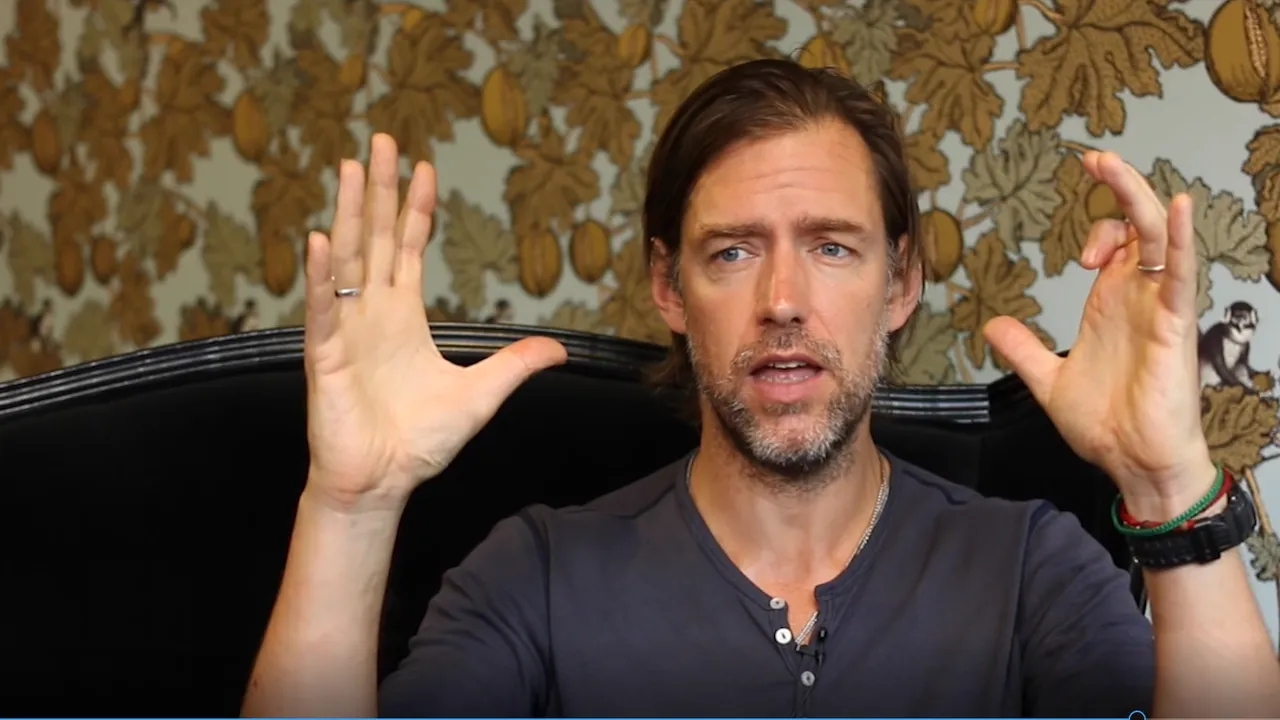
Le contenu du cours
44 leçons (2h 11min) · 1 gratuites
01. Rencontre les managers, pourquoi tu en as besoin et ce qu'ils font
2:35
02. Trouver un management : ce que recherchent les managers
Leçon gratuite4:39

03. La nature de la relation artiste-manager
5:18

04. Se comporter en professionnel
2:50
05. Qui ensuite ? Construire ton équipe
2:14
06. Commission habituelle des managers
2:56

01. Comprendre ton activité et ses investisseurs
3:51

02. Le financement par les amis et la famille
1:55
03. Financement par subventions
2:41
04. Le crowdfunding
4:18

05. Le modèle de Pledge Music
5:01
06. Sponsoring et partenariats de marque
3:03
07. Financement par emprunt
2:51

08. Investissement en capital
2:35


















Transcription de la leçon
Understanding the Business of Music: A Guide for Artists
I always think that artists I know, coming from that background, are often quite hesitant about really trying to force business deals. They feel almost grateful for a record label or publisher showing any interest. However, I've seen some horrendous deals where artists will be offered something and say,
"I just want to sign this. They're a great label or a great publisher or whatever."
But you think, well, yeah, but I know from experience that sometimes you end up in a situation where you're working with someone who has a great name but isn't really helping you. You could end up just on the shelf.
It comes back to this whole Decca not signing the Beatles thing. A lot of labels will just want to ensure they own an artist they think might do well.
The Importance of the Right Deal
It is really important as an artist to make sure that you get the right deal. If the labels, publishers, or managers aren't offering what you want in return, then you need to walk away.
This is really difficult for a creative person, often, to adopt that hard-nosed business approach. But I think it's crucial.
Negotiating Contracts
One of the things that is a bit of a bugbear of mine is that a lot of contracts are issued to artists as being "standard."
A label will say,
"Here's our standard recording contract; here's our standard management agreement."
In reality, there is no such thing. There might be a template that they've started with, but everything is up for negotiation.
As an artist, you've got to really value your own rights. You've got exclusive recording services, that's a huge thing to give to anybody.
Know Your Worth
I would say if you can't be satisfied that the label is actually going to make use of those rights, then reconsider. Perhaps just walk away and say,
"If you're not willing to commit to releasing our album within six months of us delivering it to you, we're not interested. We'll find somebody else."
You have various digital distributors available now, so you could put the record out yourselves or utilize the professional team you have around you.
You could say,
"Well, we don't need a label; we just need to employ a press agent and a distributor, and we'll do it ourselves."
The power has really shifted into artists' hands, giving you the right to negotiate these terms.
Understanding Ancillary Rights
You should also look at these ancillary rights. The label might say,
"We want to cut off everything."
I saw a deal recently where the label wanted 50% of all ancillary income.
And you think,
"You've got to be joking. Frankly, no. Why would anyone be interested in doing that?"
It's almost like a 'Dragon's Den' style negotiation. You're going in and speaking to an investor, saying,
"I'm willing to give you this cut of my company, this interest in my company in return for some financial investment."
You don't go into Dragon's Den saying,
"I'll give you 50% of absolutely everything for a minuscule investment or commitment."
In conclusion, understand your rights, value your work, and always aim for a deal that benefits you as an artist.
44 leçons
2h 11m de leçons vidéo structurées
Fonctions vidéo avancées
Ralentissez, bouclez un passage, suivez la partition
Mobile, tablette et ordinateur
Pratiquez où vous voulez
Satisfaction garantie à 100 %
Garantie remboursement 30 jours
Rencontrez votre guru
Rencontrez votre guru
Imogen Heap est une chanteuse, autrice-compositrice, productrice et technologue anglaise récompensée aux Grammy Awards, dont l'influence traverse deux décennies de pop, d'électro et de musique de film — ainsi qu'une grande partie de la technologie que les artistes d'aujourd'hui tiennent pour acquise.
Née à Londres en 1977 et formée classiquement au piano, au violoncelle et à la clarinette, elle publie son premier album 'iMegaphone' en 1998 avant de former le duo Frou Frou avec le producteur Guy Sigsworth, dont la chanson 'Let Go' touche un public mondial grâce au film Garden State. Son album 'Speak for Yourself' (2005), entièrement écrit et produit par ses soins, contient 'Hide and Seek', morceau a cappella devenu culte, qui propulsera plus tard le nº 1 de Jason Derulo 'Whatcha Say' et 'Goodnight n Go' d'Ariana Grande, et continue de conquérir de nouvelles générations d'auditeurs.
'Ellipse' (2009) remporte le Grammy dans la catégorie Best Engineered Album, Non-Classical — enregistré dans son studio personnel — et elle coécrit et produit ensuite 'Clean' sur '1989' de Taylor Swift, sacré album de l'année aux Grammy. Elle a également composé la musique de la pièce 'Harry Potter and the Cursed Child'.
Innovatrice infatigable, Heap a développé les gants gestuels MI.MU — salués par trois doctorats honorifiques — et fondé Mycelia et The Creative Passport, des initiatives qui bâtissent un écosystème de données plus équitable pour les artistes. En 2024, elle revient avec 'What Have You Done to Me?', créé avec Mogen, son alter ego vocal issu de l'IA, tandis que la résurgence virale de 'Headlock' fait découvrir sa musique à des millions de nouveaux fans.