



Conseils pour chanter une chanson

Avec
Juliet Russell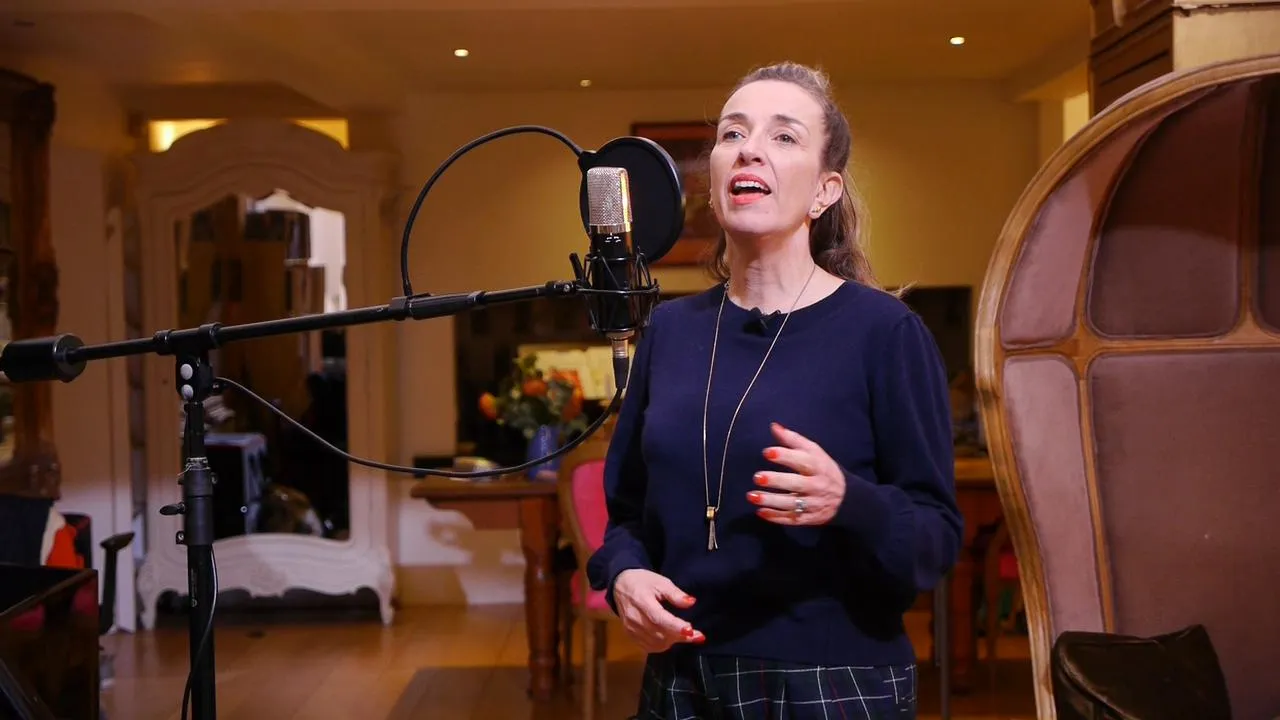
Le contenu du cours
23 leçons (1h 55min) · 1 gratuites

Transcription de la leçon
Music Lesson Tips
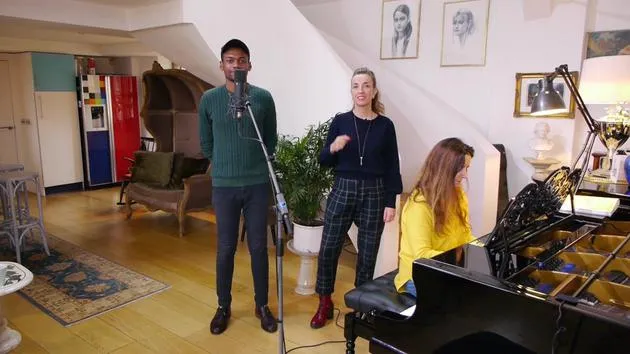
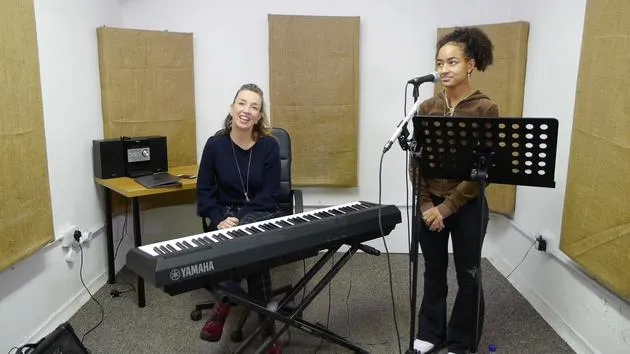
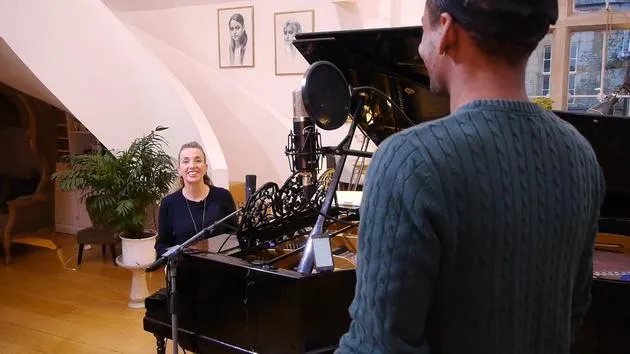
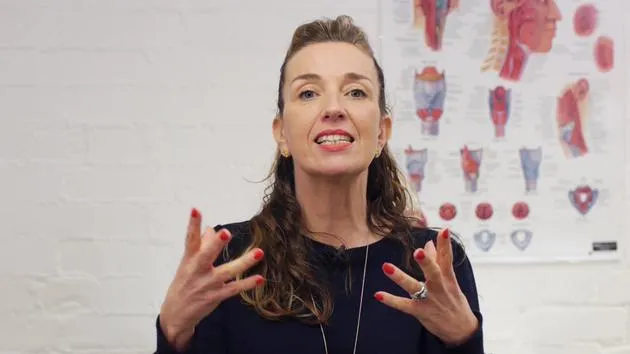
Hello and welcome to my studio in the heart of East London's vibrant Brick Lane. Today's lesson will focus on some general tips before we move on to learning songs.
Tip #1: Humming Through Melodies
When you first encounter a song or learn a new melody:
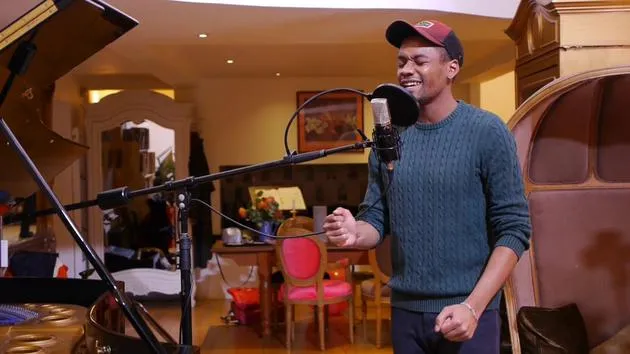
- Humming through it is quite useful.
- Consider using voiced fricatives, which are the sounds we used when we were doing sirens.
Just humming through gently gives you:
- A shape of the feel of the melody.
- The contours and maybe some of the dynamics.
It's an easy way to shape the melody without thinking about the lyrics just yet. This helps you see how it fits and find which notes feel easy and which notes feel harder.
Example:
For the song "I Need a Dollar," you don't need to shape every single note; just get the general shape.
Tip #2: Understanding Song Lyrics
So far, we've been focused on preparing the voice and body for singing. However, most singing is about singing songs, not just exercises.
Questions to consider:
- Are you communicating emotion?
- Are you sharing experience?
- What's your artistic interpretation?
It's crucial to understand the song's lyrics, much like an actor would study a text before performing. Try to:
- Find the emotional connection to the song.
- Think about the story of the song and whether the emotion changes at any point.
Even if the song isn't personally relatable, think imaginatively about how someone might feel, employing a slight character voice without changing your own. This empathy will enhance your performance.
Tip #3: Emotional Connection
When you find a clear emotional connection to a song, it can enhance your emotional communication and performance.
Consider this:
- If you're excited, your voice might come up and faster.
- If you're feeling sad, it could be slower and deeper.
- Speaking intimately may lead to a softer voice, while communicating joy may require a bigger, more expressive voice.
Let your emotions influence your dynamics and expressive choices.
Tip #4: Speaking the Song
Explore the song by speaking it.
For example, when asking someone to recite the lyrics from "Make You Feel My Love," they often just repeat the words like:
"When the rain is blowing in your face, when the whole world is on your case."
Instead:
- Get to the essence of the song. For instance, it's about when everything feels unbearable.
- Notice how when explaining, gestures naturally come into play, which is a big part of emotional performance.
Find what comes naturally for you to express your song.
Tip #5: Choosing Accessible Songs
The songs chosen for this course are from the Rock School syllabus, designed to be relatively accessible for most adult singers.
Remember:
- Every voice is unique, which is what makes singing beautiful.
- If a song feels too difficult, don't lose hope. It could be something as simple as needing to change the key.
Key Change Tips:
- If high notes are hard but low notes are easy, bring the key down.
- If low notes are too difficult, raise the key for easier access.
Tip #6: Prioritize Vocal Health
Your vocal health is of primary importance.
- You should never feel that you have to shout to hit a note.
- It shouldn't feel tight around your throat, and you shouldn't need to work too hard.
The chosen songs are meant to be accessible, but if you feel they aren't suiting you, it's wise to seek individual guidance with a vocal coach.
Your voice is unique, and there's nothing wrong with having tailored guidance.
23 leçons
1h 55m de leçons vidéo structurées
Fonctions vidéo avancées
Ralentissez, bouclez un passage, suivez la partition
Mobile, tablette et ordinateur
Pratiquez où vous voulez
Satisfaction garantie à 100 %
Garantie remboursement 30 jours
Rencontrez votre guru
Rencontrez votre guru
Juliet Russell est chanteuse, compositrice, coach vocale et cheffe de chœur. Elle a à cœur d'aider les individus et les communautés à développer leur voix et leur créativité.
Coach vocale sur The Voice et The Voice Kids d'ITV et sur le Michael McIntyre’s Big Show de la BBC, Juliet a également travaillé avec des artistes lauréats de Grammy, Brit, MTV Europe et MOBO Awards. Elle a collaboré et joué avec des artistes novateurs comme Damon Albarn, Imogen Heap, Paloma Faith, alt-J, Yoko Ono, Seal et Ringo Starr.
En 2015, avec le soutien de l'Arts Council of England, elle a mené en tournée son album Earth Meets Sky, réunissant musiciens locaux et chœurs communautaires pour créer dix concerts uniques à travers le Royaume-Uni. On lui commande régulièrement de nouvelles pièces chorales et des arrangements vocaux, et elle s'est produite à l'échelle nationale et internationale.
Attachée au développement des artistes, Juliet accompagne et coache des artistes émergents, en travaillant avec des sociétés de management, des maisons de disques et d'édition ainsi qu'avec des artistes indépendants. Elle possède un studio vocal en plein cœur de la vibrante Brick Lane à Londres.
Juliet a été directrice artistique fondatrice de Sense of Sound et directrice créative de Sing Up Greenwich et de Sing Late au V&A. Elle dirige le Portobello Live Choir, un chœur communautaire de l'ouest de Londres, et le chœur professionnel Assemble, et elle est formatrice pour le programme Singing for Lung Health de la British Lung Foundation.







