



Échauffement physique et posture

Avec
Juliet Russell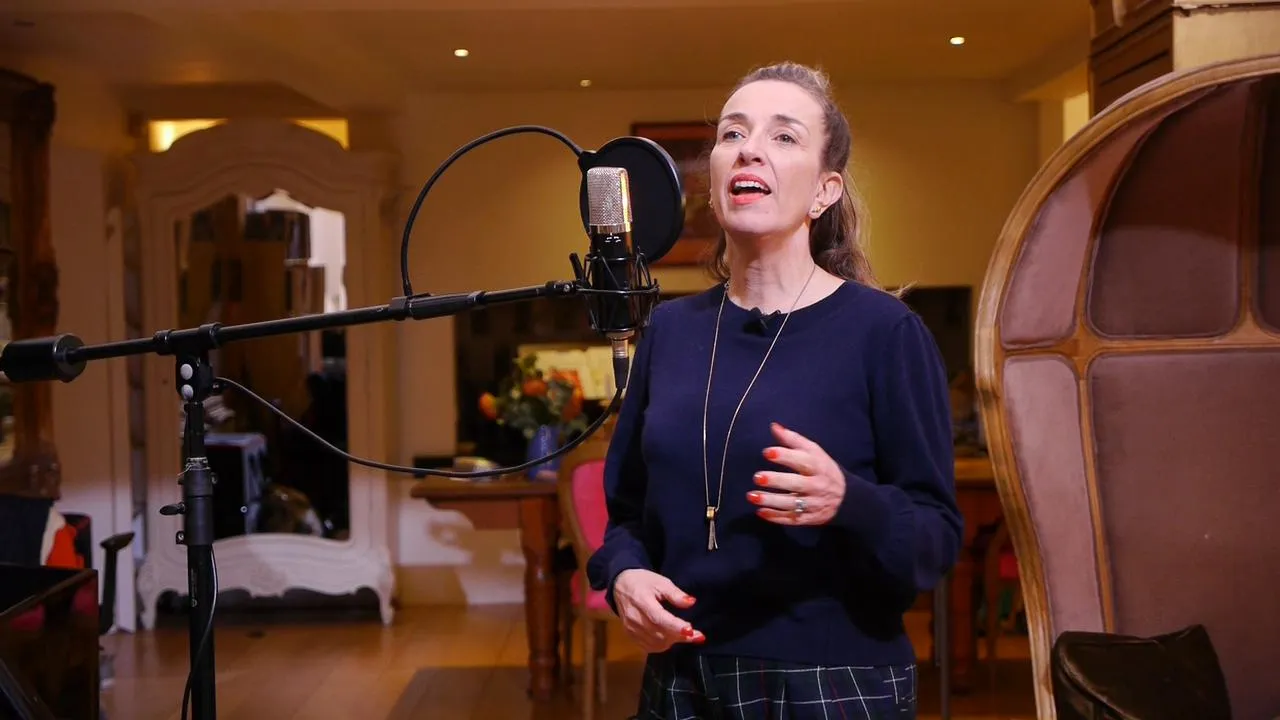
Le contenu du cours
23 leçons (1h 55min) · 1 gratuites
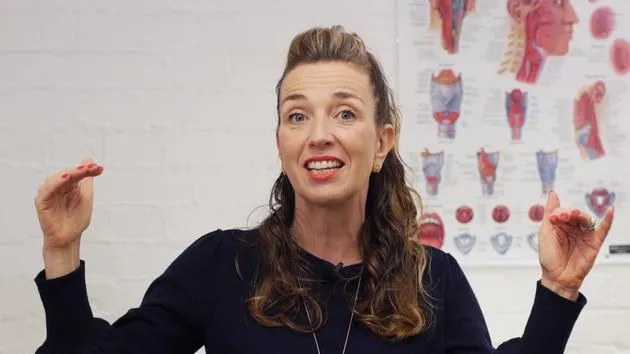
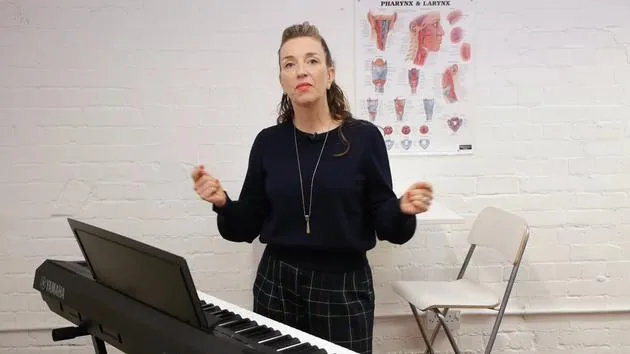
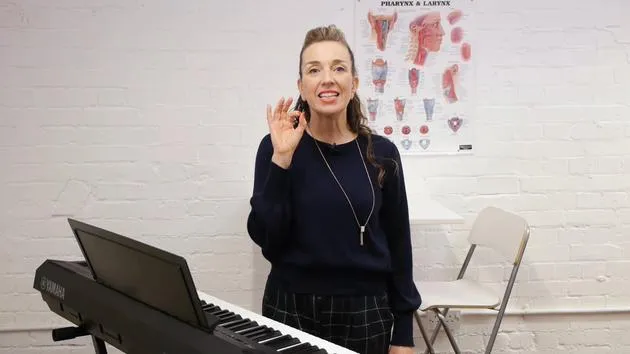
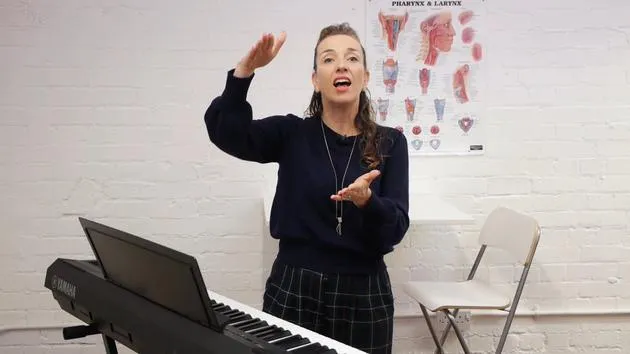
Transcription de la leçon
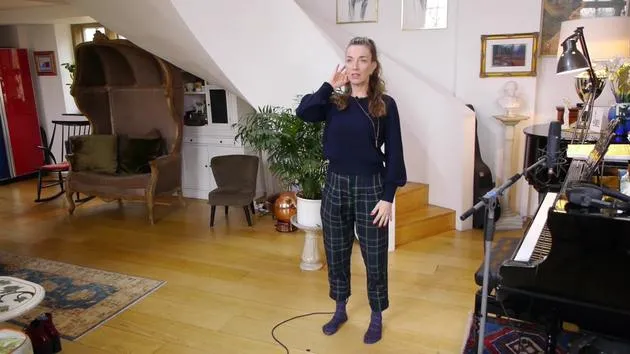
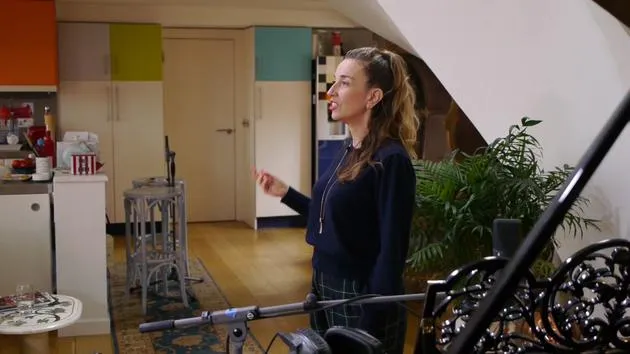
Physical Warm-Up for Singing
When we think about singing, it's very easy to just limit it to the breath passing through the vocal folds and then out through the mouth. But actually, there's a lot more to it than that.
Engage Your Whole Body
- Involvement: Obviously, we engage our brain and our whole body.
- Impact of Posture: Think about singing with your whole body because your posture and how relaxed you are does have an impact on your singing.
Starting the Warm-Up
If there's any reason that you feel you've got injuries or if your mobility is limited, always work within what's comfortable for you.
Rubbing the Body
- Start off by rubbing your body.
- Give your arms a nice little rub: "Hello body! Just let it wake up a bit."
- Rub your chest, down your legs, and along the back of the legs.
Shaking Out Tension
- Have a little shake about to get nice and loose, getting rid of any tension that might be there.
Self-Massage
-
Arms:
- Go up the insides of your arms and down the outside.
- Be vigorous but avoid injury, think of a gentle pummeling, and then switch sides: up the inside, down the outside.
-
Legs:
- Create a nice tropical rainstorm sound with your fists.
- Move up the inside of the legs, down the outside, and repeat.
-
Glutes:
- Give your glutes a little shake, great for loosening up.
Targeting Trouble Spots
Sometimes we hold tension in our shoulders. Let's do some very gentle shoulder rolls:
-
Shoulder Rolls:
- Roll backwards while ensuring your neck is relaxed.
- Then roll forwards.
-
Backward Swimming:
- Move one shoulder at a time.
- Incorporate more body movement by shaking the hips and loosening the knees.
-
Forward Swimming:
- Just move your body freely, feeling comfortable.
Posture and Alignment
How we stand can make a huge difference to how we sing. It's common for people to lock their knees.
-
Relax Your Knees:
- They don't need to be bent completely, but avoid locking them.
- Notice the difference in your body when you lock your knees versus keeping them slightly soft.
-
Upright Posture:
- Keep your ears stacked on top of your shoulders, in line with your hips.
- Ensure your knees are slightly soft and aligned with your ankles.
Common Postural Habits
- Taller individuals might tend to make themselves smaller, leading to the hips coming forward and affecting neck position.
- Tip: Keep a nice long neck, a soft jaw, and an easy body. Avoid locked knees as they can have a significant impact.
Relaxing the Shoulders
Rub your hands together to warm them up.
- Massage Across Shoulders:
- Massage the muscles where tension often builds from carrying bags or heavy items.
- Switch sides and repeat.
Gentle Neck Work
-
Neck Exercises:
- Inhale, then exhale and bring your chin down towards your chest.
- Inhale to return to neutral, then exhale back down.
- Continue this in your own time, letting your breath guide your movement.
-
Side Stretch:
- Inhale to the side, exhale back to center.
- Shake your head slowly, keeping everything soft and loose.
-
Following your gaze can increase the stretch subtly.
Sitting for Alignment
If you have limited mobility or prefer to sit, the following is important to maintain great alignment:
- Move towards the edge of your chair to allow for better stacking of ears, shoulders, and hips.
- Avoid slouching while ensuring you are not overly rigid.
Key Points to Remember
-
Holistic Singing: Remember that we sing with our whole body.
-
Tension Awareness: Notice your tension points, often found in the shoulders, neck, hips, and knees.
-
Body as a Friend: Your body will support your singing, and taking time to ground yourself is crucial in preparing to sing.
23 leçons
1h 55m de leçons vidéo structurées
Fonctions vidéo avancées
Ralentissez, bouclez un passage, suivez la partition
Mobile, tablette et ordinateur
Pratiquez où vous voulez
Satisfaction garantie à 100 %
Garantie remboursement 30 jours
Rencontrez votre guru
Rencontrez votre guru
Juliet Russell est chanteuse, compositrice, coach vocale et cheffe de chœur. Elle a à cœur d'aider les individus et les communautés à développer leur voix et leur créativité.
Coach vocale sur The Voice et The Voice Kids d'ITV et sur le Michael McIntyre’s Big Show de la BBC, Juliet a également travaillé avec des artistes lauréats de Grammy, Brit, MTV Europe et MOBO Awards. Elle a collaboré et joué avec des artistes novateurs comme Damon Albarn, Imogen Heap, Paloma Faith, alt-J, Yoko Ono, Seal et Ringo Starr.
En 2015, avec le soutien de l'Arts Council of England, elle a mené en tournée son album Earth Meets Sky, réunissant musiciens locaux et chœurs communautaires pour créer dix concerts uniques à travers le Royaume-Uni. On lui commande régulièrement de nouvelles pièces chorales et des arrangements vocaux, et elle s'est produite à l'échelle nationale et internationale.
Attachée au développement des artistes, Juliet accompagne et coache des artistes émergents, en travaillant avec des sociétés de management, des maisons de disques et d'édition ainsi qu'avec des artistes indépendants. Elle possède un studio vocal en plein cœur de la vibrante Brick Lane à Londres.
Juliet a été directrice artistique fondatrice de Sense of Sound et directrice créative de Sing Up Greenwich et de Sing Late au V&A. Elle dirige le Portobello Live Choir, un chœur communautaire de l'ouest de Londres, et le chœur professionnel Assemble, et elle est formatrice pour le programme Singing for Lung Health de la British Lung Foundation.







