



Ensayos y preparación

Lesson time: (8min 56sec)
Course preview
This lesson is part of the course Del estudio al escenario: cómo Faithless creó su sonido en directo
Watch a preview of the full course below.
Lesson transcript:
Music Performance and Rehearsal Insights
It might be a military operation, but it's still involving actual people and emotions.
The Challenge of Communication
I personally found it quite difficult in rehearsals sometimes because I had written the music. I kind of knew where I wanted things to fall, but people didn't necessarily know that. Maybe I didn't express myself in the way that I should have done.
- People found me brusque in the early days, but it was more like:
- "I don't want to have 15 different decisions about this."
- "This happens here and this happens there," and people need to not take that personally.
It depends on the context: If you're in a band with the people who made the record or you're working with session musicians, you have to find a way to speak to people that gets them on board and makes them feel part of it.
In our band, it's a very odd mix of an autocracy and a democracy all at the same time. We want the musicians to bring their A game and their musicianship and knowledge. And they do, which is really exciting!
- "Oh my God, I love that. Play that again."
- And it wasn't on the record, it wasn't something I played.
It's about letting go of ego and doing what's best for the music, which is really important.
The Rehearsal Process
That's something you find out in rehearsal. The more you do it, the more you become like a well-oiled machine. It was very exciting when we reached a certain level of playing where even in rehearsal, familiarity with the song meant that everybody would relax. They weren't just trying to remember what bit came next; it just flowed.
- Key to Success: Practice, practice, practice!
Recording Rehearsals
Another important thing was to record the rehearsals and listen back to see what was working.
- It usually took us about three weeks to prepare for an arena run.
- The next level would be to do dress rehearsals and production rehearsals with everything that would happen during the show:
- Lighting rig
- Lasers
- Staging
- Risers that they build
It's very different from playing in a room that probably doesn't have much reverb. You're all close, and you can all see each other. Suddenly you put in a strobe, a laser, and a whole wall full of video screens, changing the way you feel.
Navigating the Chaos
You can get lost in the moment, thinking, "Oh my God, what bar am I on? Are we at the end of the song or the beginning?" Some of our songs have very long, repetitive sections.
It was really hard to keep your place in the song, which is why learning it and getting it right in rehearsal was crucial. Once you bring in production elements, it changes everything.
- There's this sort of nervousness that comes when all these things are firing off, altering your perception.
- It changes the way I hear music when I hear it with flashing lights going off while trying to remember what I'm doing.
Prepping for a Show
The way of prepping for a show was making sure you actually played the show in a rehearsal space. We'd go to places like Light Structures in Wakefield or a big film studio in Acton.
- You need enough space to hang a whole show, considering all the rigging and production you'd take on tour.
For example, in venues like Brixton Academy, having a very high proscenium arch allows you to put on a big show, but you really need to be inside that show to know how to respond as a musician.
Safety Considerations
Even the positioning of the lights matters.
- "Mate, that's just flashing so much. I can't see what sound I'm pressing or my keyboards."
- If there's a strobe in the drummer's face, it can be very disorienting for him.
We had a tech with epilepsy who actually had a fit. This highlights the importance of being aware that some people might have underlying conditions you know nothing about.
Suddenly the lights are going, and you realize it's dangerous.
Testing the Waters
We often did shows in less important places where critics wouldn't necessarily be. For example, we went to Thessaloniki, which had a great reception.
- It was also a place where we could tweak the show in front of a live audience, knowing that when we played at Wembley Arena, it would be amazing.
In a way, we deliberately played in slightly more obscure cities at the beginning of a tour to get the machine running. We knew that when we came into the full glare of the media in other countries, the show would be firing on all cylinders.
The Importance of Timing
It's crucial not to schedule your major show where critics would be writing about you at the start of the tour, straight out of rehearsals.
- Everything can change in front of an audience.
- You can see them getting engaged in something you thought might be a bit boring in rehearsals.
We often lengthened sections based on audience reaction, running it a bit longer, going back, and reprogramming.
A Responsive Show
Our show needed to be responsive. We used to create variations on the fly, adapting elements based on live feedback.
- "Sometimes as a musician, you're inside it, and it's very hard to make decisions."
You may love what you're playing, but getting lost in your own musicality can cause you to lose the audience's interest. Maintaining engagement throughout the show is vital.
Reflecting on the Performance
Different moods, tempos, and energies are important. You can be introspective and heartfelt, then shift to something punky and explosive.
However, it's essential not to be self-congratulatory, as that can read poorly to a crowd.
I tend to be hypercritical; I often only heard what was wrong with the show.
- After a performance, we could all get excited, but I would list things we could improve, which wasn't the right time to do it.
Tip: Save your pointers for later.
- If you notice things, bring them up the next day.
- Make notes or mental reminders to address concerns without being a downer immediately after the show.
Sometimes, you all have had an awful show and can vent together, but even then, timing matters.
- Over-criticism can drain the energy from the excitement of a performance.
I know that from bitter experience.
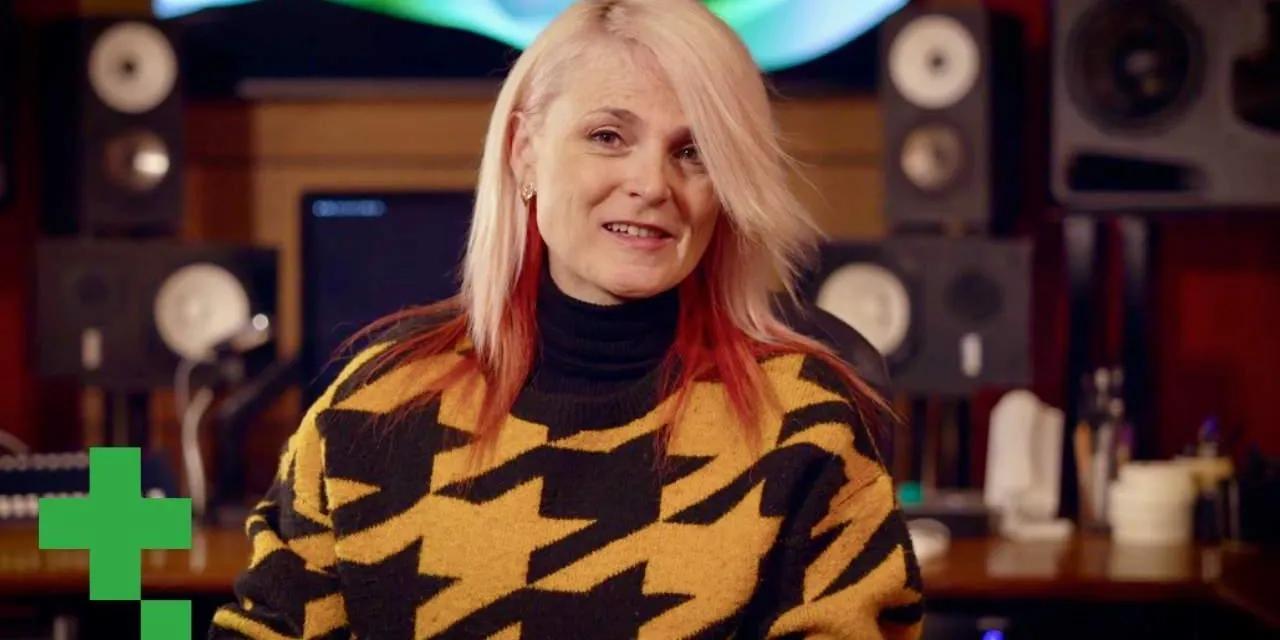
About the instructor
'Sister Bliss nunca dejó de escribir música. Es una consumada compositora para cine y televisión, DJ de club y defensora de las industrias creativas'. Billboard Una de las artistas de música dance británicas de más éxito de los últimos 25 años, Ayalah Bentovim, alias Sister Bliss, es la fuerza musical que hay detrás de Faithless. Junto al icónico cantante Maxi Jazz y el productor Rollo Armstrong, formó Faithless: uno de los proyectos electrónicos de mayor éxito de su generación, con una trayectoria de más de dos décadas que incluyó 8 álbumes (3 de ellos número 1) y seis singles entre los diez primeros. Hasta la fecha, Faithless ha vendido más de 15 millones de discos en todo el mundo y ha actuado en directo ante millones de personas por todo el planeta, encabezando festivales, estadios y pabellones. La banda ha colaborado con artistas como Jazzie B, Boy George, Cat Power y Dido, sin conformarse nunca y moviéndose con soltura por una ecléctica variedad de géneros. A lo largo de una carrera de 25 años que la llevó de la escena underground de los clubes británicos a conciertos con todas las entradas agotadas en pabellones y actuaciones como cabeza de cartel en festivales de todo el mundo, Sister Bliss se ha convertido en una de las artistas electrónicas femeninas con más trayectoria e influencia de la música dance británica. Llega tras publicar el primer álbum de estudio de Faithless en diez años, el muy esperado 'All Blessed', la carta de amor de Faithless a la música electrónica que los muestra en su mejor momento. El álbum alcanzó el número 6 en las listas y los singles, junto con sus remixes de estreno, obtuvieron un amplio apoyo en BBC Radio 1, Radio 2 y BBC 6, así como en Kiss FM y Capital. Multiinstrumentista de formación clásica, también ha compuesto la banda sonora de numerosas producciones de televisión, cine y teatro. Entre sus créditos figuran la película Knife Fight de 2012, protagonizada por Rob Lowe y dirigida por el dos veces ganador del Óscar Bill Guttentag, encargos para Sex & The City 2, Chasing Amy, The Beach de Danny Boyle, A Life Less Ordinary, la aclamada película británica The Hide, Crossing The Line y los dramas televisivos ganadores del BAFTA Life Begins (ITV) y The Poison Tree (ITV). Para el teatro, Bliss ha compuesto música para The Black Album y The Emperor Jones en el National Theatre de Londres, además de componer una pieza original para la London Sinfonietta, que se interpretó en el Fuse Festival del Reino Unido. Recientemente tuvo un papel protagonista en el gran programa de máxima audiencia de BBC1 'This is My Song', asesorando a los participantes y produciendo sus grabaciones finales. En 2019 publicó un nuevo álbum en colaboración con Rollo y Dido bajo el nombre 'R PLUS' - 'The Last Summer', tras un verano repleto de actuaciones como cabeza de cartel en sesiones de DJ en festivales de todo el mundo, incluidas actuaciones en Bestival, Exit Festival, Glastonbury, Creamfields, Ibiza y más allá. Su exitosísimo programa de radio y pódcast semanal 'Sister Bliss in Session' se distribuye a más de 100 emisoras y 43 países de todo el mundo. Recientemente presentó como invitada el aclamado programa de Gilles Peterson en BBC 6 Music y sustituye con regularidad a Ana Matronic en el programa Dance Devotion de BBC Radio 2. También ha presentado una serie de 5 partes en la emisora Scala Radio de Bauer Media, tendiendo puentes entre la música clásica y la electrónica, que ganó el premio Bronce en los New York Festival Radio Awards, compitiendo contra 30 países. Actualmente imparte clases en el máster MA de Tileyard Studios, con módulos sobre composición, producción y escritura por encargo comercial, y tutoriza a estudiantes de máster de forma individual: el mismo conocimiento práctico que comparte en Studio to Stage, donde desglosa exactamente cómo Faithless convirtió sus discos en un espectáculo en directo capaz de llenar estadios. read more