



Ingeniero de sala

Lesson time: (3min 30sec)
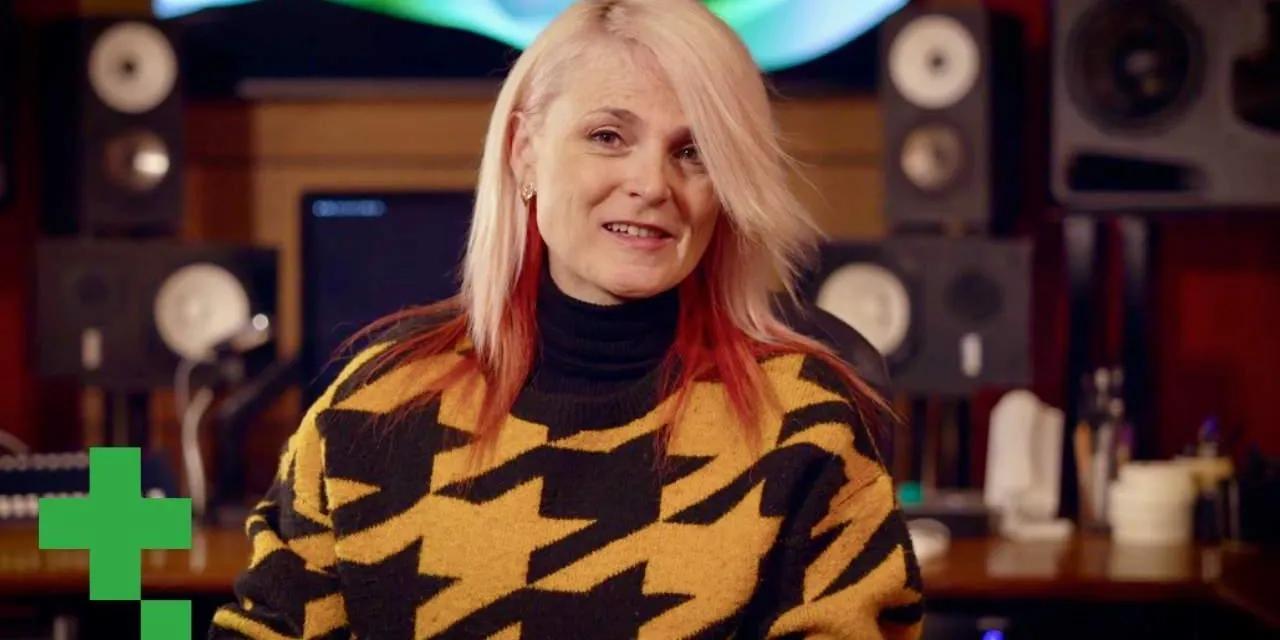
Sister Bliss explica qué hace un ingeniero de sala (front of house) y por qué es importante: dar forma a la mezcla en cada sala para que el público escuche tu voz y tus matices.
Course preview
This lesson is part of the course Del estudio al escenario: cómo Faithless creó su sonido en directo
Watch a preview of the full course below.
Lesson transcript:
The Importance of a Front of House Engineer
One of the most important people to take on tour, if you can afford it, is a front of house engineer. They're the person responsible for what the audience hears. They can affect the mix and make your sound appropriate to the place you're playing.
Acoustic Environments
- The venue will have its own shape:
- You might be outdoors.
- You might be up a windy mountain.
- You might be in a tiny club.
This person will look after your sound in all those environments.
Creating Space in the Mix
- They create space in the mix for the vocals.
- It's really important for your fans, or any audience really, to hear your lyrics, to hear the words that are being said or sung.
Riding the Mix
They'll also ride up certain elements during the song. For example, in some of our songs, we have big snare fills which help signpost the audience to what's happening next and get them excited.
- A snare fill is a really good device to get you from one section to the next.
- The engineer would ride a really thunderous reverb on that, so it felt like the kind of Horseman of the Apocalypse were galloping towards you.
Technical Setup
He would also put gates and compressors on all of the sounds. Our front of house engineer graduated over the years to using a fully programmable desk, which was an amazing bit of kit from SSL.
Mixing Desk
What's interesting is that Faithless as a band mixed our albums on SSL mixing desks, which have particularly punchy EQs. They have really good circuitry in them.
- I think our sound on record was quite widescreen and grand, but also clean.
- Our front of house engineer managed to get a desk that almost replicated what we had in the studio.
He was able to record all the scenes, so every single song would have a setup. He could just scroll through those setups as befit the song we were playing in that moment.
This was a really good thing because, in the middle of a festival situation, you haven't got long to get yourself on stage before the next act takes over.
- Plugging in the mixing desk and knowing that the sound out front is going to be pretty amazing from the moment you plug it in is a very reassuring thing to have.
The Challenges of Live Sound
Another interesting aspect you don't know until you're in a live environment is the significance of a sound check.
- It's very useful to check everything sounds good.
- It can also be a great time to run a song to ensure you've got any changes in your head, especially since we often made changes on a night-by-night basis.
However, sound checks can be a bit misleading. Important though they are, when people fill up a venue, they change the nature of the sound.
- They actually soak up a lot of the sound, particularly the bass frequencies.
You could be doing a sound check and think, "Oh my God, the bass is overwhelming! It's really woofy and in my face." But then, when the show starts, you might think, "Oh my God, where's the bass gone? It's just disappeared!"
This can happen because you've asked for it to be turned down in your monitors.
Key Awareness
It's crucial to be aware that the nature of sound changes depending on whether there are people in that environment or not. If you're really well prepared, hopefully, it won't throw you too much.
However, there have definitely been occasions when I've gone on stage and the whole bottom end has disappeared, simply because the room now has 10,000 people in it, and my sound check was in an empty space.
About the instructor
'Sister Bliss nunca dejó de escribir música. Es una consumada compositora para cine y televisión, DJ de club y defensora de las industrias creativas'. Billboard Una de las artistas de música dance británicas de más éxito de los últimos 25 años, Ayalah Bentovim, alias Sister Bliss, es la fuerza musical que hay detrás de Faithless. Junto al icónico cantante Maxi Jazz y el productor Rollo Armstrong, formó Faithless: uno de los proyectos electrónicos de mayor éxito de su generación, con una trayectoria de más de dos décadas que incluyó 8 álbumes (3 de ellos número 1) y seis singles entre los diez primeros. Hasta la fecha, Faithless ha vendido más de 15 millones de discos en todo el mundo y ha actuado en directo ante millones de personas por todo el planeta, encabezando festivales, estadios y pabellones. La banda ha colaborado con artistas como Jazzie B, Boy George, Cat Power y Dido, sin conformarse nunca y moviéndose con soltura por una ecléctica variedad de géneros. A lo largo de una carrera de 25 años que la llevó de la escena underground de los clubes británicos a conciertos con todas las entradas agotadas en pabellones y actuaciones como cabeza de cartel en festivales de todo el mundo, Sister Bliss se ha convertido en una de las artistas electrónicas femeninas con más trayectoria e influencia de la música dance británica. Llega tras publicar el primer álbum de estudio de Faithless en diez años, el muy esperado 'All Blessed', la carta de amor de Faithless a la música electrónica que los muestra en su mejor momento. El álbum alcanzó el número 6 en las listas y los singles, junto con sus remixes de estreno, obtuvieron un amplio apoyo en BBC Radio 1, Radio 2 y BBC 6, así como en Kiss FM y Capital. Multiinstrumentista de formación clásica, también ha compuesto la banda sonora de numerosas producciones de televisión, cine y teatro. Entre sus créditos figuran la película Knife Fight de 2012, protagonizada por Rob Lowe y dirigida por el dos veces ganador del Óscar Bill Guttentag, encargos para Sex & The City 2, Chasing Amy, The Beach de Danny Boyle, A Life Less Ordinary, la aclamada película británica The Hide, Crossing The Line y los dramas televisivos ganadores del BAFTA Life Begins (ITV) y The Poison Tree (ITV). Para el teatro, Bliss ha compuesto música para The Black Album y The Emperor Jones en el National Theatre de Londres, además de componer una pieza original para la London Sinfonietta, que se interpretó en el Fuse Festival del Reino Unido. Recientemente tuvo un papel protagonista en el gran programa de máxima audiencia de BBC1 'This is My Song', asesorando a los participantes y produciendo sus grabaciones finales. En 2019 publicó un nuevo álbum en colaboración con Rollo y Dido bajo el nombre 'R PLUS' - 'The Last Summer', tras un verano repleto de actuaciones como cabeza de cartel en sesiones de DJ en festivales de todo el mundo, incluidas actuaciones en Bestival, Exit Festival, Glastonbury, Creamfields, Ibiza y más allá. Su exitosísimo programa de radio y pódcast semanal 'Sister Bliss in Session' se distribuye a más de 100 emisoras y 43 países de todo el mundo. Recientemente presentó como invitada el aclamado programa de Gilles Peterson en BBC 6 Music y sustituye con regularidad a Ana Matronic en el programa Dance Devotion de BBC Radio 2. También ha presentado una serie de 5 partes en la emisora Scala Radio de Bauer Media, tendiendo puentes entre la música clásica y la electrónica, que ganó el premio Bronce en los New York Festival Radio Awards, compitiendo contra 30 países. Actualmente imparte clases en el máster MA de Tileyard Studios, con módulos sobre composición, producción y escritura por encargo comercial, y tutoriza a estudiantes de máster de forma individual: el mismo conocimiento práctico que comparte en Studio to Stage, donde desglosa exactamente cómo Faithless convirtió sus discos en un espectáculo en directo capaz de llenar estadios. read more