



La boquilla
Con
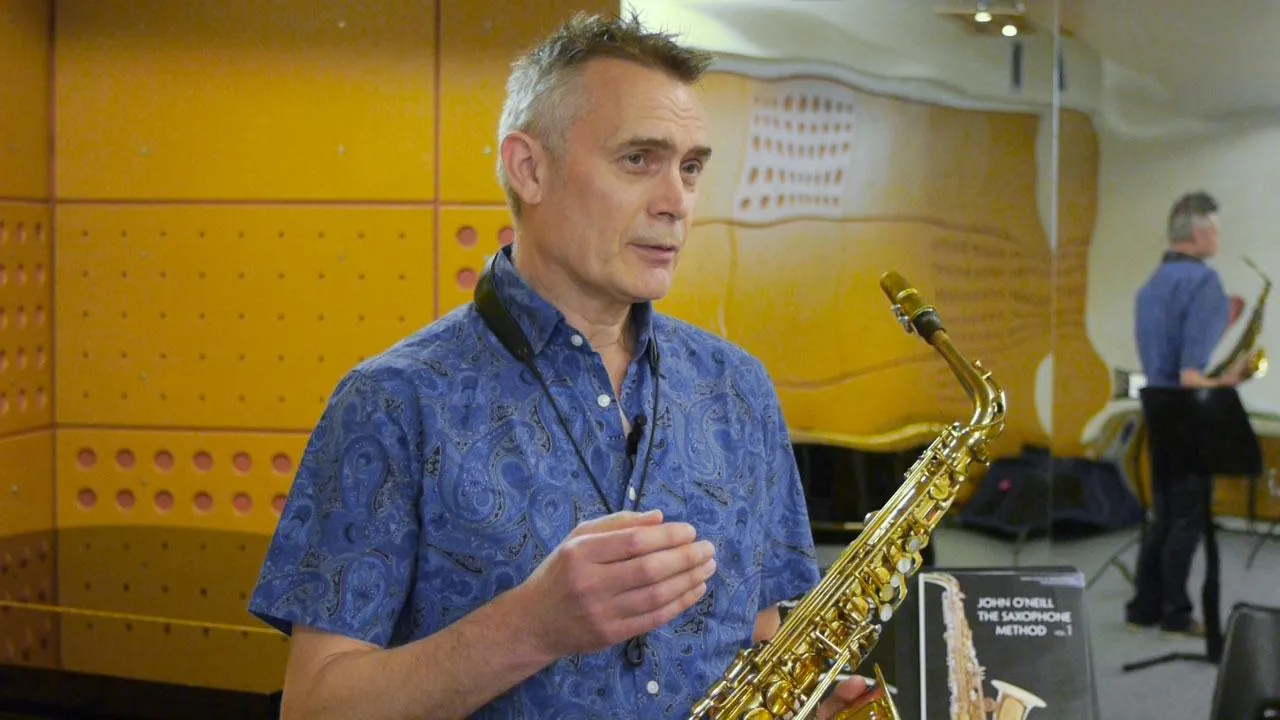
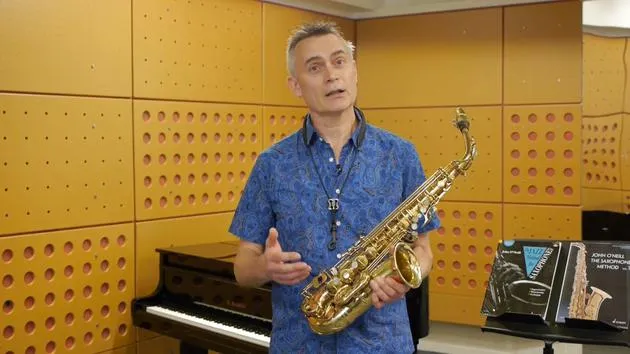
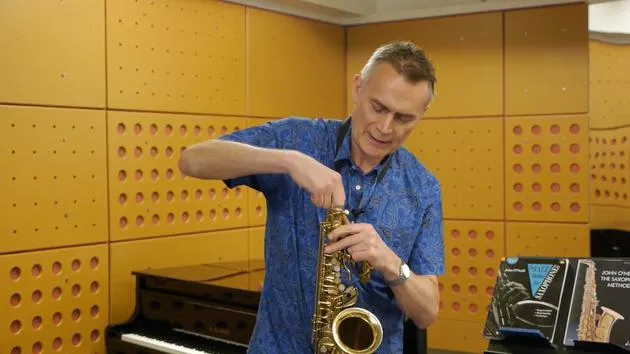
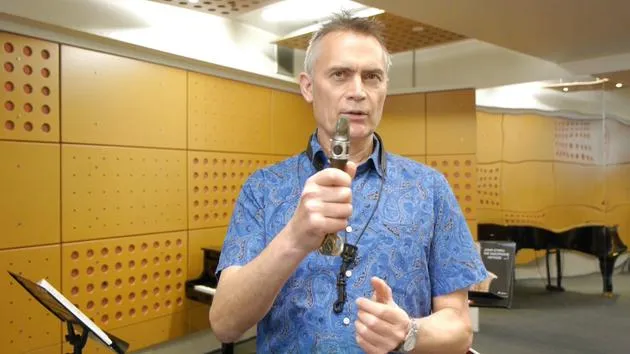
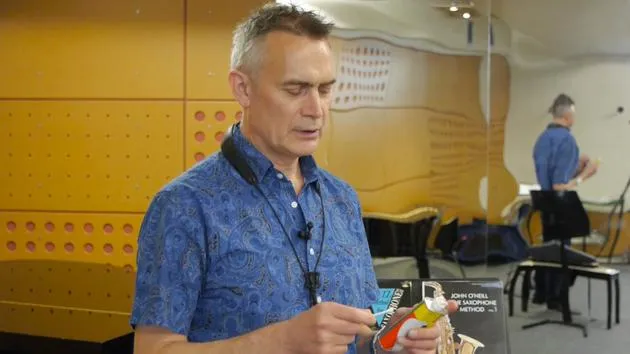
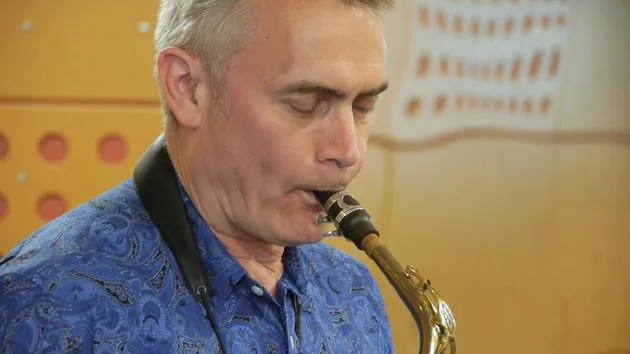
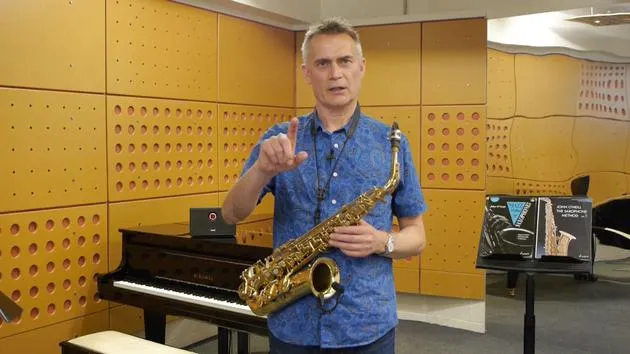
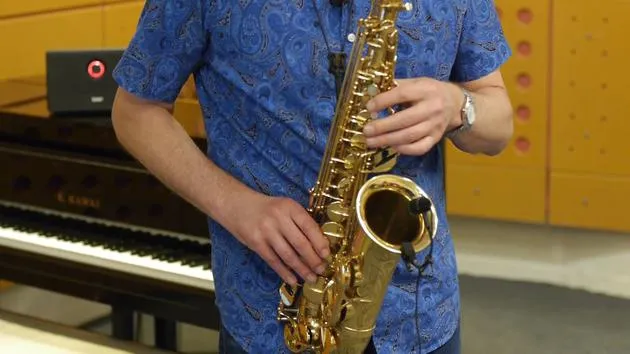
John O'NeillEn este vídeo, John explica cómo preparar y cuidar la boquilla y las cañas. También aborda la ciencia del sonido y cómo vibra la caña. Consejos sobre qué comprar y en qué fijarse al elegir una caña.
Qué incluye el curso
25 lecciones (2h 10m) · 1 gratis
01. Postura
13:20
02. Digitación
4:10
03. La respiración
4:12
04. Ejercicio de respiración n.º 1
3:24
05. Ejercicio de respiración n.º 2
4:34
06. Ejercicio de respiración n.º 3
2:29
07. Ejercicio de respiración n.º 4
1:27
08. Ejercicio de respiración n.º 5
2:27
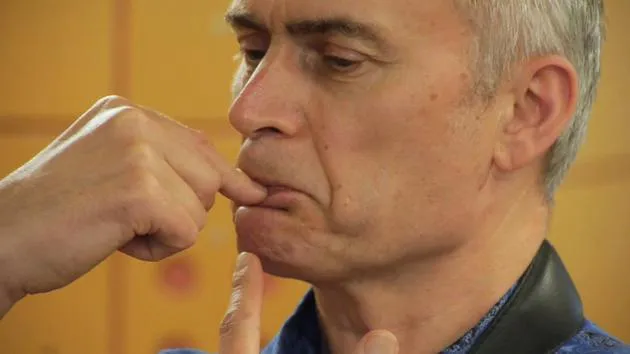
09. La embocadura y tu primera nota
9:46
10. Solucionar problemas con tu primera nota
9:34
11. Desarrollar tu sonido
3:43
12. Ejercicio de picado n.º 1
4:36
13. Ejercicio de picado n.º 2
6:49
14. Reflexiones finales y práctica
1:57
Transcripción de la lección
The Importance of the Mouthpiece in Saxophone Playing
Today, I'm going to talk about the mouthpiece.
Key Points about the Mouthpiece:
-
Sound Production:
- While the saxophone itself is an important part of the equipment, the mouthpiece is even more crucial as this is where the sound is produced.
- The wrong mouthpiece on an expensive saxophone will not yield good results.
- Conversely, a good mouthpiece on an inexpensive saxophone can produce impressive results.
-
Mouthpieces for New Instruments:
- If you buy a new, especially high-end instrument, the mouthpiece included is often decent.
- There's usually no need to change it in the short term, provided you have the right reed, which I will discuss later.
Buying a Mouthpiece
If you're planning to buy a mouthpiece, especially for a second-hand instrument that may not have come with one or has a poor-quality mouthpiece, consider the following:
Metal vs. Ebonite Mouthpieces
-
Material Differences:
- Metal mouthpieces are made of a different material; they are not intrinsically better than Ebonite mouthpieces.
- Myths persist that metal mouthpieces produce a much bigger sound. For example, many alto players using Ebonite mouthpieces can achieve a huge sound.
-
Sound Characteristics:
- You may have heard a player like David Sanborn, performing in a jazz-rock style with an abrasive sound. However, that sound is not solely due to the use of a metal mouthpiece.
- Most alto players actually use Ebonite mouthpieces, which are a kind of hardened rubber.
Key Factors in Mouthpiece Design
- Reed Fit:
- The reed fits on the mouthpiece as follows:
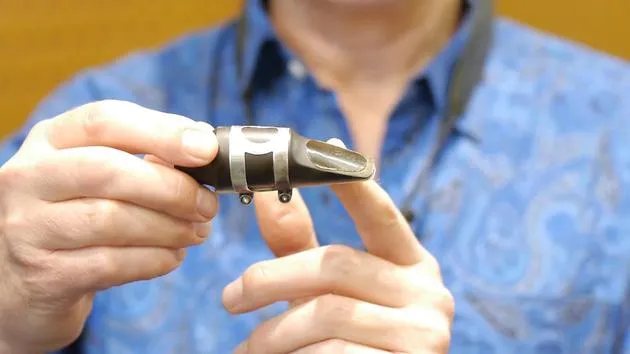
- The two most important aspects to consider are the tip opening and the lay of the mouthpiece.
Tip Opening
- The tip opening is the gap between the lip of the mouthpiece and the reed.
- A wider gap makes it more challenging to make the reed vibrate.
- A narrower gap allows for easier vibration.
- For beginners, a medium or medium-closed tip opening is recommended.
Lay of the Mouthpiece
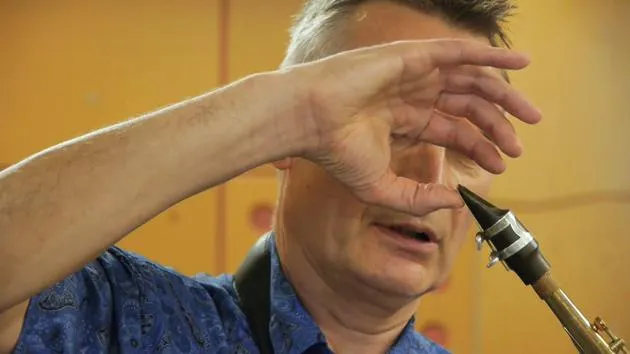
- If you hold the mouthpiece to the side, observe where daylight stops between the reed and the mouthpiece; this distance is called the length of the lay.
- A longer lay allows the reed to vibrate more easily, while a shorter lay makes vibration more difficult.
- However, a longer lay may be harder to control.
Recommendations for Beginners
- A classic mouthpiece for alto players is the Meyer 5M, which has a medium tip opening and medium lay. Several famous players, like Phil Woods and Cannonball Adderley, have used it.
- Another excellent option for beginners is the Yamaha 4C mouthpiece.
- This mouthpiece comes with Yamaha student instruments but works well on almost any saxophone.
- It is relatively inexpensive and while it is made of plastic (which can break if dropped on a hard surface), it is very easy to play.
- This mouthpiece will serve you well for the first couple of years of playing, at least.
Feel free to reach out if you have any questions about selecting mouthpieces or reeds!
25 lecciones
2h 10m de lecciones en vídeo estructuradas
Funciones de vídeo avanzadas
Ralentiza, repite un pasaje, sigue la partitura
Móvil, tablet y ordenador
Practica donde quieras
Garantía de satisfacción 100%
30 días de garantía de devolución
Conoce a tu gurú
Conoce a tu gurú
John O'Neill es el saxofonista detrás de The Jazz Method for Saxophone, la serie de Schott que ha enseñado a improvisar a toda una generación de intérpretes en todo el mundo. Publicada por primera vez en 1991, sigue siendo uno de los métodos de jazz más vendidos jamás escritos, junto a sus métodos complementarios para clarinete y flauta.
Llegó al saxofón a los veinte años, mientras estudiaba francés y alemán en el Trinity College de Oxford, tras escuchar a John Coltrane. Después estudió con el gran tenor británico Don Rendell y aprendió improvisación con Lee Konitz, Warne Marsh y Peter Ind, herederos directos del legendario maestro Lennie Tristano. Músico profesional desde 1979, está especializado en jazz y bossa nova y ha tocado en las principales salas de Londres, incluido el Ronnie Scott's, además de componer música para cine, televisión, teatro y danza.
Profesor titulado con décadas de experiencia, John ha enseñado saxofón, clarinete y flauta de forma privada y en escuelas, en el curso de jazz del Trinity College of Music de Londres y en cursos de verano en España y la República Checa. Sigue actuando y enseñando desde su casa en el norte de Londres.







