Wem gehören welche Rechte?

Mit
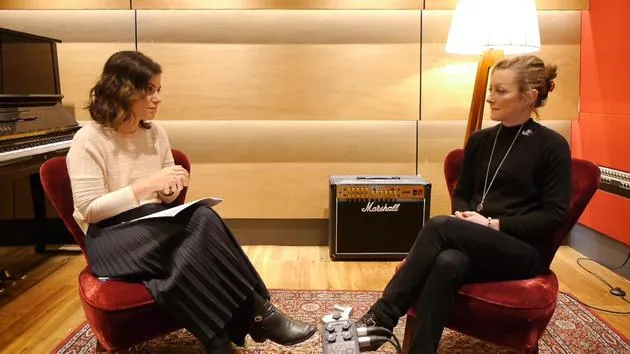
Imogen HeapPete erklärt, wem die Rechte an deiner Musik und deinen Texten gehören – warum dir dein Werk anfangs selbst gehört und welche Rechte du später an einen Verlag abtreten kannst.
Das steckt im Kurs
44 Lektionen (2h 11m) · 1 gratis
01. Lerne die Manager kennen: warum du sie brauchst und was sie tun
2:35
02. Ein Management finden: worauf Manager achten
Gratis-Lektion4:39
03. Das Wesen der Beziehung zwischen Künstler und Manager
5:18
04. Sich professionell verhalten
2:50
05. Wer als Nächstes? Dein Team aufbauen
2:14
06. Übliche Provision für Manager
2:56
Transkript der Lektion
Understanding Music Ownership: Rights and Agreements
Ownership of Music and Lyrics
- In England and Wales, the author of music and lyrics is the first owner of those works.
- This ownership persists unless the works were created in the course of employment, which is not the focus here.
Rights as a Writer
-
As a writer, you start by owning your creations. The legislation grants you various rights, including:
- The right to copy your works
- The right to publicly perform them
- The right to adapt them
-
Many of these rights can be transferred to a publisher under an exclusive publishing deal, but some will be retained.
Public Performance Rights
- Public Performance Right: This right is usually retained, especially if you are a member of PRS or another collection society.
- When you assign certain rights to PRS, you can also assign some to the publisher.
Songwriting Rights and Record Labels
- When entering a deal with a record label:
- You typically grant services to the label, meaning they will want to own the results of those services.
- As a result, the record label usually owns the rights to the sound recordings you create.
Term and Negotiation of Rights
- The duration and terms of these rights depend on the contract.
- It is becoming common for artists to negotiate a license deal, which means rights will revert to the artist after a specified period.
- In some cases, artists may not have that option, and labels may retain rights for the duration of copyright.
Sound Recordings and Collection Societies
- In the UK, the collection society for sound recordings is PPL. They have various rights related to sound recording rights.
- This field can be quite complex.
Seeking Guidance
- It is advisable to consult with collection agencies and societies to understand your rights and obligations clearly.
- The specifics of your deal with a publisher or record label will greatly influence these aspects.
44 Lektionen
2 Std. 11 Min. strukturierte Videolektionen
Erweiterte Videofunktionen
Verlangsamen, Passagen loopen, mitlesen
Handy, Tablet & Desktop
Üben, wo du willst
100 % Zufriedenheitsgarantie
30 Tage Geld-zurück-Garantie
Lern deinen Guru kennen
Lern deinen Guru kennen
Imogen Heap ist eine mit dem Grammy ausgezeichnete englische Sängerin, Songwriterin, Produzentin und Technologin, deren Einfluss zwei Jahrzehnte Pop, Elektronik und Filmmusik prägt — ebenso wie viele der Technologien, die Künstler heute selbstverständlich nutzen.
1977 in London geboren und klassisch an Klavier, Cello und Klarinette ausgebildet, veröffentlichte sie 1998 ihr Debütalbum 'iMegaphone', bevor sie mit dem Produzenten Guy Sigsworth das Duo Frou Frou gründete, dessen Song 'Let Go' durch den Film Garden State ein weltweites Publikum erreichte. Ihr komplett selbst geschriebenes und produziertes Album 'Speak for Yourself' (2005) enthielt 'Hide and Seek' — jenen A-cappella-Meilenstein, der später Jason Derulos Nummer-1-Hit 'Whatcha Say' und Ariana Grandes 'Goodnight n Go' antrieb und bis heute neue Generationen von Hörern erreicht.
'Ellipse' (2009) gewann den Grammy in der Kategorie Best Engineered Album, Non-Classical — aufgenommen in ihrem eigenen Heimstudio — und später schrieb und produzierte sie 'Clean' auf Taylor Swifts '1989', das den Grammy als Album des Jahres gewann. Außerdem komponierte sie die Musik zum Theaterstück 'Harry Potter and the Cursed Child'.
Als unermüdliche Innovatorin entwickelte Heap die gestengesteuerten MI.MU-Handschuhe — gewürdigt mit drei Ehrendoktortiteln — und gründete Mycelia sowie The Creative Passport, Initiativen für ein faireres Daten-Ökosystem für Künstler. 2024 kehrte sie mit 'What Have You Done to Me?' zurück, entstanden mit ihrem KI-Stimm-Alter-Ego Mogen, während die virale Rückkehr von 'Headlock' ihre Musik Millionen neuer Fans nahebrachte.