Einführung: wofür ein Vertrag da ist

Mit
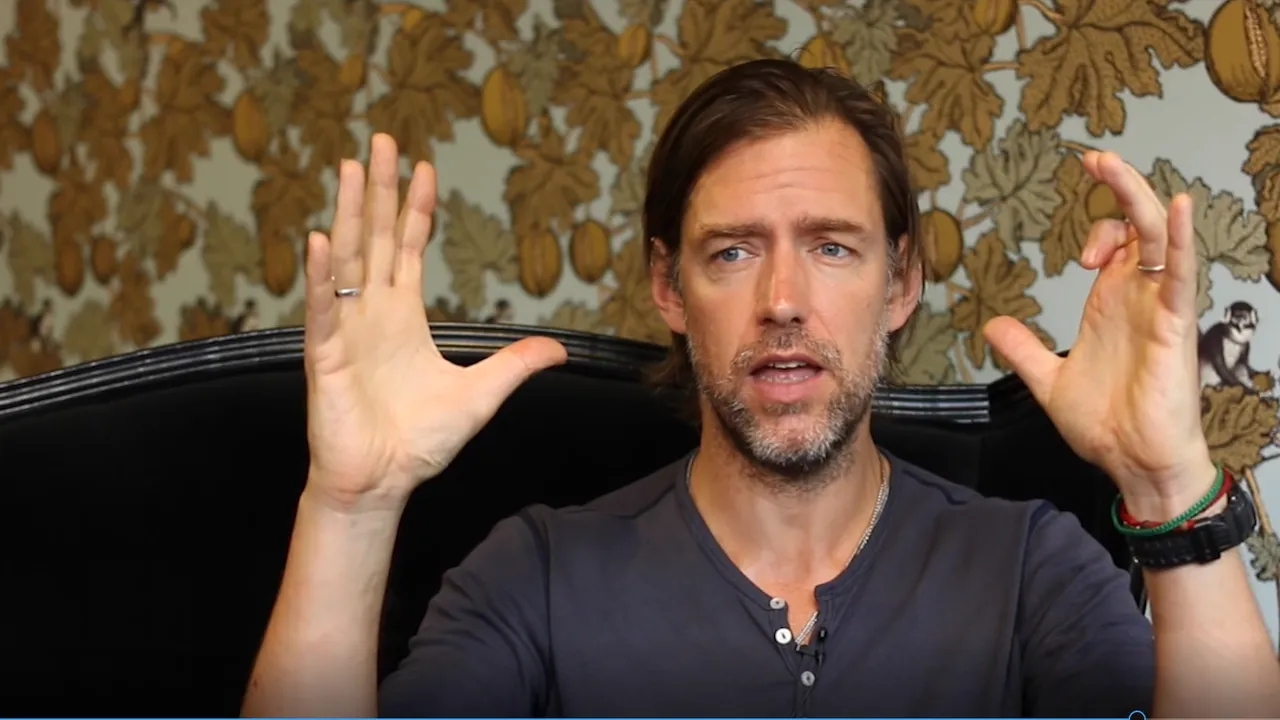
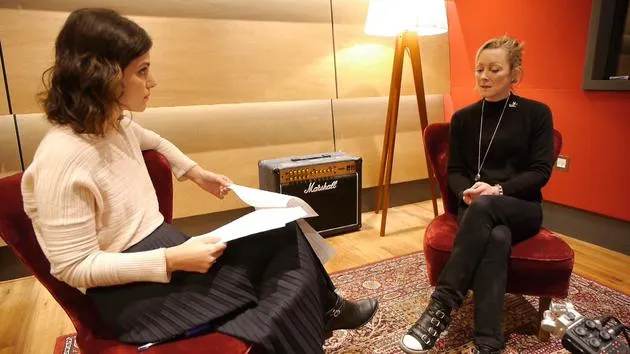
Imogen HeapDie Musikerin Katie Melua und Lucie Caswell, CEO der Featured Artist Coalition, leiten ihr Gespräch über die Grundlagen von Verträgen ein
Das steckt im Kurs
44 Lektionen (2h 11m) · 1 gratis
01. Lerne die Manager kennen: warum du sie brauchst und was sie tun
2:35
02. Ein Management finden: worauf Manager achten
Gratis-Lektion4:39

03. Das Wesen der Beziehung zwischen Künstler und Manager
5:18

04. Sich professionell verhalten
2:50
05. Wer als Nächstes? Dein Team aufbauen
2:14
06. Übliche Provision für Manager
2:56















Transkript der Lektion
Understanding Music Industry Contracts
Introduction
Hello! I'm Katie Melloa, a musician with experience in the music industry since I was 18. Today, we're here to demystify contracts in the music world. I'm excited to be joined by the incredible Lucy Caswell for this conversation.
Important Note: While we have extensive experience, neither of us is a qualified lawyer. We hope to share our insights drawn from years in the industry.
Meet Lucy Caswell
- Background: I am the Chief Executive of the Featured Artists Coalition (FAC). Our mission is to help artists develop their careers through various forms of support.
- Services Offered:
- Advocating for artists' voices in policy-making
- Providing access to legal advice
- Supporting artists as small businesses
We also provide resources like a standard management contract available on the FAC website.
Sample Contract
- Management Contract: The contract is a collaboration with the Music Managers Forum and the Musicians Union.
- Purpose: It's a thorough example that offers insight into standard practices, though individual contracts may differ.
Breakdown of Contracts
Understanding a contract can reduce fear when faced with difficult legal language and high hourly rates from lawyers.
Key Features of Contracts
-
Purpose:
- A contract sets the ground rules for collaboration.
- It outlines who is working with whom and how the partnership will function.
-
Evolution of Contracts:
- My experience with different management contracts demonstrates how they evolve. My present contract with ATC differs significantly from my first contract at 18, reflecting my growth as an artist and change in my objectives.
-
Support Needs:
- Different contracts address varying levels of support based on your career stage.
Recommendations for Artists
-
Know What Matters:
- Identify what you care about in a partnership.
- Discuss these priorities during contract negotiations.
-
Building Relationships:
- Establish a foundation of trust with your manager.
- The contract serves as solid documentation of your relationship, providing clarity and direction.
Conclusion
In essence, effective contract discussions and negotiations stem from understanding your own values and establishing clear communication with your manager. As you navigate the music industry, remember that contracts can be a powerful tool when used effectively.
Let's continue this conversation and explore more about music industry contracts together!
44 Lektionen
2 Std. 11 Min. strukturierte Videolektionen
Erweiterte Videofunktionen
Verlangsamen, Passagen loopen, mitlesen
Handy, Tablet & Desktop
Üben, wo du willst
100 % Zufriedenheitsgarantie
30 Tage Geld-zurück-Garantie
Lern deinen Guru kennen
Lern deinen Guru kennen
Imogen Heap ist eine mit dem Grammy ausgezeichnete englische Sängerin, Songwriterin, Produzentin und Technologin, deren Einfluss zwei Jahrzehnte Pop, Elektronik und Filmmusik prägt — ebenso wie viele der Technologien, die Künstler heute selbstverständlich nutzen.
1977 in London geboren und klassisch an Klavier, Cello und Klarinette ausgebildet, veröffentlichte sie 1998 ihr Debütalbum 'iMegaphone', bevor sie mit dem Produzenten Guy Sigsworth das Duo Frou Frou gründete, dessen Song 'Let Go' durch den Film Garden State ein weltweites Publikum erreichte. Ihr komplett selbst geschriebenes und produziertes Album 'Speak for Yourself' (2005) enthielt 'Hide and Seek' — jenen A-cappella-Meilenstein, der später Jason Derulos Nummer-1-Hit 'Whatcha Say' und Ariana Grandes 'Goodnight n Go' antrieb und bis heute neue Generationen von Hörern erreicht.
'Ellipse' (2009) gewann den Grammy in der Kategorie Best Engineered Album, Non-Classical — aufgenommen in ihrem eigenen Heimstudio — und später schrieb und produzierte sie 'Clean' auf Taylor Swifts '1989', das den Grammy als Album des Jahres gewann. Außerdem komponierte sie die Musik zum Theaterstück 'Harry Potter and the Cursed Child'.
Als unermüdliche Innovatorin entwickelte Heap die gestengesteuerten MI.MU-Handschuhe — gewürdigt mit drei Ehrendoktortiteln — und gründete Mycelia sowie The Creative Passport, Initiativen für ein faireres Daten-Ökosystem für Künstler. 2024 kehrte sie mit 'What Have You Done to Me?' zurück, entstanden mit ihrem KI-Stimm-Alter-Ego Mogen, während die virale Rückkehr von 'Headlock' ihre Musik Millionen neuer Fans nahebrachte.