Ein Management finden: worauf Manager achten

Mit
Imogen HeapWie findest du einen Manager? Worauf achten sie bei einem Künstler? Anfangs kann das Management eine weniger formelle Angelegenheit mit Freunden und Familie sein, doch mit wachsendem Erfolg brauchst du die Erfahrung eines Profis, und diesen Übergang in deinem Management-Team zu bewältigen ist eine der ersten großen Herausforderungen in der Karriere jedes Künstlers
Das steckt im Kurs
44 Lektionen (2h 11m) · 1 gratis
01. Lerne die Manager kennen: warum du sie brauchst und was sie tun
2:35
02. Ein Management finden: worauf Manager achten
Du bist hier4:39
03. Das Wesen der Beziehung zwischen Künstler und Manager
5:18

04. Sich professionell verhalten
2:50
05. Wer als Nächstes? Dein Team aufbauen
2:14
06. Übliche Provision für Manager
2:56
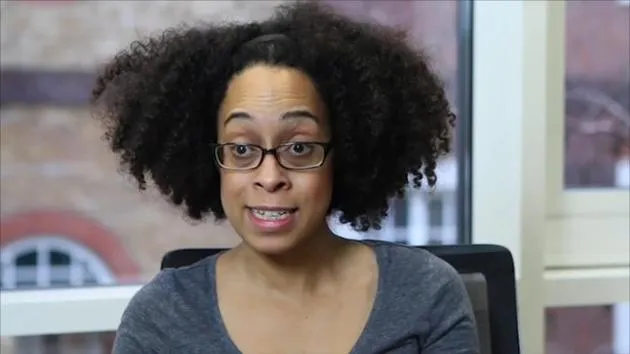
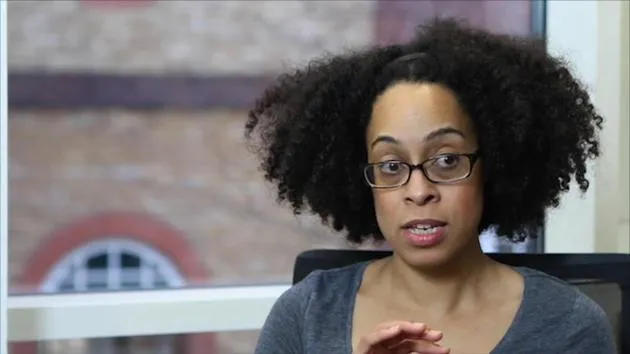
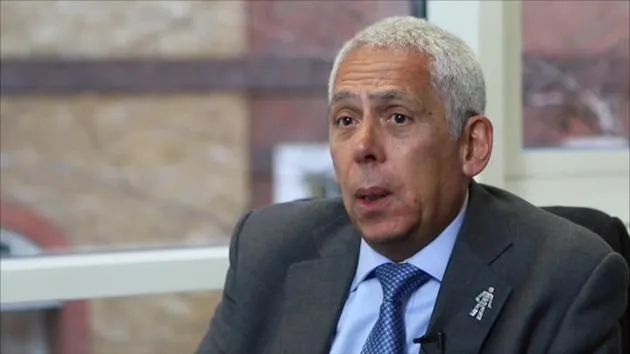
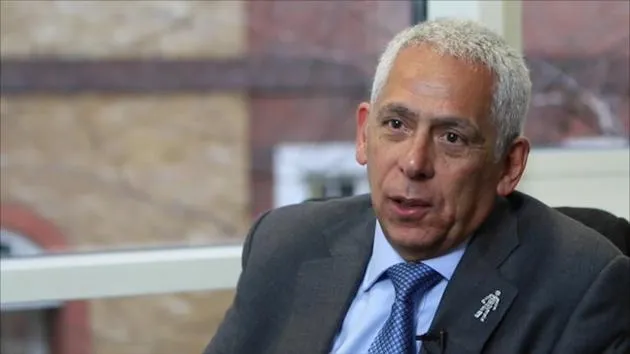
Transkript der Lektion
How to Attract a Manager as an Artist
It is always difficult to fight to get a manager. This is the number one question we receive the most.
The Search for Management
There is no direct answer, apart from the one we always quote: A manager will find you. They will discover you if you're good and start drawing crowds or selling music. When you begin making money, that's when people will be attracted to you.
The Importance of Your Digital Profile
What is happening with you online as an artist is becoming increasingly important. Consider:
- Your digital profile
- How engaged you are with your audience
Platforms such as Twitter, Instagram, Facebook, and Vine are crucial. By actively demonstrating initiative, you not only show that you can do things yourself, but you also connect with an audience on a large scale.
Changing Dynamics in A&R
Traditionally, A&R people and managers would go to specific clubs in certain cities to gauge the vibe around an artist. The classic CBGB scenario doesn't happen as much anymore. Now, it's all about online visibility. That's where people are looking for action.
The Financial Reality
Of course, there is a huge issue here: when an artist is starting out, they are typically making no money. Consequently, the manager is also making no money. Thus, a manager must either:
- Have total belief in that artist, hoping to recoup their investment in the future, or
- Be successful in some other way, which is rare.
This often leads to the artist having to manage aspects of their career themselves, which can be uncomfortable.
Roles Within a Band
In a band, you might find that one member is more driven and wants to take on the management role. For a solo artist, this is a bit more difficult.
- Without that driven person, you tend to see friends, parents, or even former band members stepping in to take charge.
- These individuals often say, "I can book the gig, drive the van, sell the merch, and negotiate with promoters."
Growth of Management
This is how many artists get the help they need. Over time, these individuals may grow into proper managers or get replaced by more professional managers when the band starts becoming successful.
The Challenge of Keeping Up
It's difficult, particularly for someone who starts out helping an artist, to keep up with what is needed at various stages of an artist's career. If an artist becomes very successful very quickly, a good person who has been supportive from the beginning will recognize this.
- They may partner with someone more experienced or bring in additional help.
Trust and Relationships
The relationship between the manager and the artist is crucial. If there is trust, they'll work together. However, if whispers arise, suggesting that the manager lacks knowledge or that more help is needed, fractures can appear, and partnerships may dissolve.
In summary, building a successful artist-manager relationship requires patience, a strong digital presence, and an understanding of the evolving landscape of the music industry.
44 Lektionen
2 Std. 11 Min. strukturierte Videolektionen
Erweiterte Videofunktionen
Verlangsamen, Passagen loopen, mitlesen
Handy, Tablet & Desktop
Üben, wo du willst
100 % Zufriedenheitsgarantie
30 Tage Geld-zurück-Garantie
Lern deinen Guru kennen
Lern deinen Guru kennen
Imogen Heap ist eine mit dem Grammy ausgezeichnete englische Sängerin, Songwriterin, Produzentin und Technologin, deren Einfluss zwei Jahrzehnte Pop, Elektronik und Filmmusik prägt — ebenso wie viele der Technologien, die Künstler heute selbstverständlich nutzen.
1977 in London geboren und klassisch an Klavier, Cello und Klarinette ausgebildet, veröffentlichte sie 1998 ihr Debütalbum 'iMegaphone', bevor sie mit dem Produzenten Guy Sigsworth das Duo Frou Frou gründete, dessen Song 'Let Go' durch den Film Garden State ein weltweites Publikum erreichte. Ihr komplett selbst geschriebenes und produziertes Album 'Speak for Yourself' (2005) enthielt 'Hide and Seek' — jenen A-cappella-Meilenstein, der später Jason Derulos Nummer-1-Hit 'Whatcha Say' und Ariana Grandes 'Goodnight n Go' antrieb und bis heute neue Generationen von Hörern erreicht.
'Ellipse' (2009) gewann den Grammy in der Kategorie Best Engineered Album, Non-Classical — aufgenommen in ihrem eigenen Heimstudio — und später schrieb und produzierte sie 'Clean' auf Taylor Swifts '1989', das den Grammy als Album des Jahres gewann. Außerdem komponierte sie die Musik zum Theaterstück 'Harry Potter and the Cursed Child'.
Als unermüdliche Innovatorin entwickelte Heap die gestengesteuerten MI.MU-Handschuhe — gewürdigt mit drei Ehrendoktortiteln — und gründete Mycelia sowie The Creative Passport, Initiativen für ein faireres Daten-Ökosystem für Künstler. 2024 kehrte sie mit 'What Have You Done to Me?' zurück, entstanden mit ihrem KI-Stimm-Alter-Ego Mogen, während die virale Rückkehr von 'Headlock' ihre Musik Millionen neuer Fans nahebrachte.