Grundsätze des Verhandelns

Mit
Imogen Heap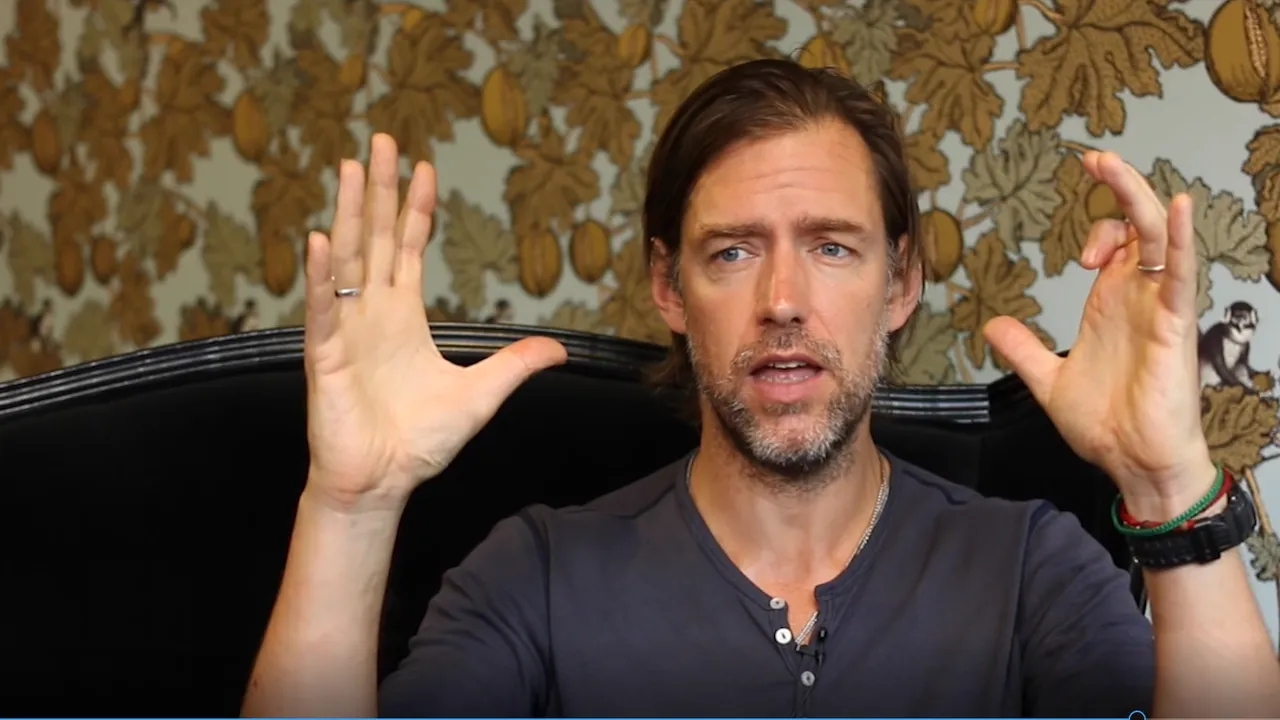
Das steckt im Kurs
44 Lektionen (2h 11m) · 1 gratis
01. Lerne die Manager kennen: warum du sie brauchst und was sie tun
2:35
02. Ein Management finden: worauf Manager achten
Gratis-Lektion4:39

03. Das Wesen der Beziehung zwischen Künstler und Manager
5:18

04. Sich professionell verhalten
2:50

05. Wer als Nächstes? Dein Team aufbauen
2:14
06. Übliche Provision für Manager
2:56
















Transkript der Lektion
Understanding the Business of Music: A Guide for Artists
I always think that artists I know, coming from that background, are often quite hesitant about really trying to force business deals. They feel almost grateful for a record label or publisher showing any interest. However, I've seen some horrendous deals where artists will be offered something and say,
"I just want to sign this. They're a great label or a great publisher or whatever."
But you think, well, yeah, but I know from experience that sometimes you end up in a situation where you're working with someone who has a great name but isn't really helping you. You could end up just on the shelf.
It comes back to this whole Decca not signing the Beatles thing. A lot of labels will just want to ensure they own an artist they think might do well.
The Importance of the Right Deal
It is really important as an artist to make sure that you get the right deal. If the labels, publishers, or managers aren't offering what you want in return, then you need to walk away.
This is really difficult for a creative person, often, to adopt that hard-nosed business approach. But I think it's crucial.
Negotiating Contracts
One of the things that is a bit of a bugbear of mine is that a lot of contracts are issued to artists as being "standard."
A label will say,
"Here's our standard recording contract; here's our standard management agreement."
In reality, there is no such thing. There might be a template that they've started with, but everything is up for negotiation.
As an artist, you've got to really value your own rights. You've got exclusive recording services, that's a huge thing to give to anybody.
Know Your Worth
I would say if you can't be satisfied that the label is actually going to make use of those rights, then reconsider. Perhaps just walk away and say,
"If you're not willing to commit to releasing our album within six months of us delivering it to you, we're not interested. We'll find somebody else."
You have various digital distributors available now, so you could put the record out yourselves or utilize the professional team you have around you.
You could say,
"Well, we don't need a label; we just need to employ a press agent and a distributor, and we'll do it ourselves."
The power has really shifted into artists' hands, giving you the right to negotiate these terms.
Understanding Ancillary Rights
You should also look at these ancillary rights. The label might say,
"We want to cut off everything."
I saw a deal recently where the label wanted 50% of all ancillary income.
And you think,
"You've got to be joking. Frankly, no. Why would anyone be interested in doing that?"
It's almost like a 'Dragon's Den' style negotiation. You're going in and speaking to an investor, saying,
"I'm willing to give you this cut of my company, this interest in my company in return for some financial investment."
You don't go into Dragon's Den saying,
"I'll give you 50% of absolutely everything for a minuscule investment or commitment."
In conclusion, understand your rights, value your work, and always aim for a deal that benefits you as an artist.
44 Lektionen
2 Std. 11 Min. strukturierte Videolektionen
Erweiterte Videofunktionen
Verlangsamen, Passagen loopen, mitlesen
Handy, Tablet & Desktop
Üben, wo du willst
100 % Zufriedenheitsgarantie
30 Tage Geld-zurück-Garantie
Lern deinen Guru kennen
Lern deinen Guru kennen
Imogen Heap ist eine mit dem Grammy ausgezeichnete englische Sängerin, Songwriterin, Produzentin und Technologin, deren Einfluss zwei Jahrzehnte Pop, Elektronik und Filmmusik prägt — ebenso wie viele der Technologien, die Künstler heute selbstverständlich nutzen.
1977 in London geboren und klassisch an Klavier, Cello und Klarinette ausgebildet, veröffentlichte sie 1998 ihr Debütalbum 'iMegaphone', bevor sie mit dem Produzenten Guy Sigsworth das Duo Frou Frou gründete, dessen Song 'Let Go' durch den Film Garden State ein weltweites Publikum erreichte. Ihr komplett selbst geschriebenes und produziertes Album 'Speak for Yourself' (2005) enthielt 'Hide and Seek' — jenen A-cappella-Meilenstein, der später Jason Derulos Nummer-1-Hit 'Whatcha Say' und Ariana Grandes 'Goodnight n Go' antrieb und bis heute neue Generationen von Hörern erreicht.
'Ellipse' (2009) gewann den Grammy in der Kategorie Best Engineered Album, Non-Classical — aufgenommen in ihrem eigenen Heimstudio — und später schrieb und produzierte sie 'Clean' auf Taylor Swifts '1989', das den Grammy als Album des Jahres gewann. Außerdem komponierte sie die Musik zum Theaterstück 'Harry Potter and the Cursed Child'.
Als unermüdliche Innovatorin entwickelte Heap die gestengesteuerten MI.MU-Handschuhe — gewürdigt mit drei Ehrendoktortiteln — und gründete Mycelia sowie The Creative Passport, Initiativen für ein faireres Daten-Ökosystem für Künstler. 2024 kehrte sie mit 'What Have You Done to Me?' zurück, entstanden mit ihrem KI-Stimm-Alter-Ego Mogen, während die virale Rückkehr von 'Headlock' ihre Musik Millionen neuer Fans nahebrachte.