Sich professionell verhalten

Mit
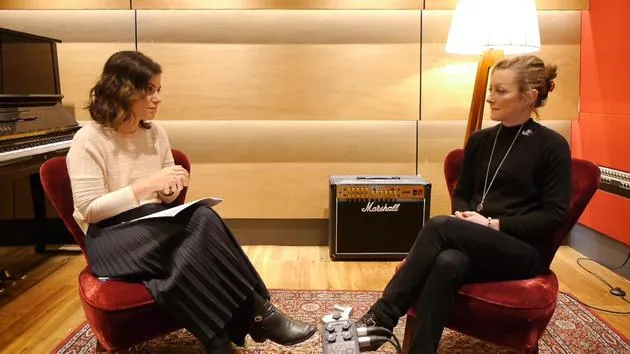
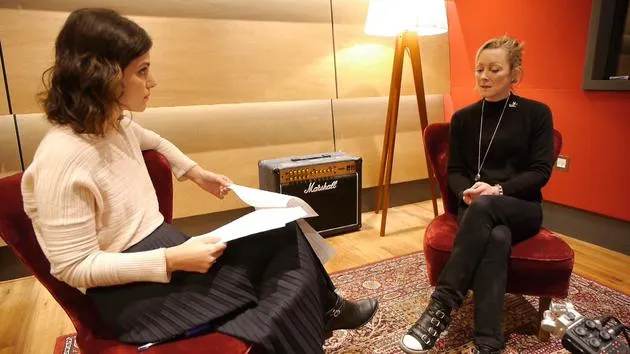
Imogen HeapDie Zeiten, in denen man sich in der Musikbranche Diva-Allüren leisten konnte, sind vorbei. Wie in jeder Branche gibt es Verhaltensweisen, die als professionell gelten
Das steckt im Kurs
44 Lektionen (2h 11m) · 1 gratis
01. Lerne die Manager kennen: warum du sie brauchst und was sie tun
2:35

02. Ein Management finden: worauf Manager achten
Gratis-Lektion4:39
03. Das Wesen der Beziehung zwischen Künstler und Manager
5:18

04. Sich professionell verhalten
Du bist hier2:50

05. Wer als Nächstes? Dein Team aufbauen
2:14

06. Übliche Provision für Manager
2:56
















Transkript der Lektion
The Importance of Professionalism in the Music Industry
I think you have to do what you say you're going to do, be straight with people. Here are some thoughts on how to navigate the competitive music landscape:
Key Principles
- Be Reasonably Easy to Get Along With: The industry is more competitive now than ever.
- Diva Behavior is Outdated: The infamous diva behavior you read about doesn't fly for many people anymore.
Media Exaggeration
When you read about the "rock and roll lifestyle," it's important to recognize that:
- Stories are Often Exaggerated: The media tends to blow things out of proportion to create a more compelling narrative.
- For example, I once saw Liam Gallagher get into a fight. The reports suggested it was a major brawl, but in reality:
- Someone pushed him, and he simply pushed back.
- It wasn't the dramatic scene described in the press.
- For example, I once saw Liam Gallagher get into a fight. The reports suggested it was a major brawl, but in reality:
Professionalism Behind the Scenes
Even those with a rock and roll persona can be incredibly professional:
- Eminem's Team Example: At a festival, Eminem and his crew were completely on point.
- While they looked unconventional, they were 100% professional.
- Eminem himself demands this level of professionalism from those around him.
Commitment and Trust
To succeed in the music industry:
- Stay Committed: Seeing things through to completion is crucial.
- Build Trust with Others: People tend to place more trust in those who are dedicated and follow through, regardless of the outcome.
In conclusion, navigating the music industry requires a blend of professionalism, commitment, and an understanding of the narratives shaped by the media.
44 Lektionen
2 Std. 11 Min. strukturierte Videolektionen
Erweiterte Videofunktionen
Verlangsamen, Passagen loopen, mitlesen
Handy, Tablet & Desktop
Üben, wo du willst
100 % Zufriedenheitsgarantie
30 Tage Geld-zurück-Garantie
Lern deinen Guru kennen
Lern deinen Guru kennen
Imogen Heap ist eine mit dem Grammy ausgezeichnete englische Sängerin, Songwriterin, Produzentin und Technologin, deren Einfluss zwei Jahrzehnte Pop, Elektronik und Filmmusik prägt — ebenso wie viele der Technologien, die Künstler heute selbstverständlich nutzen.
1977 in London geboren und klassisch an Klavier, Cello und Klarinette ausgebildet, veröffentlichte sie 1998 ihr Debütalbum 'iMegaphone', bevor sie mit dem Produzenten Guy Sigsworth das Duo Frou Frou gründete, dessen Song 'Let Go' durch den Film Garden State ein weltweites Publikum erreichte. Ihr komplett selbst geschriebenes und produziertes Album 'Speak for Yourself' (2005) enthielt 'Hide and Seek' — jenen A-cappella-Meilenstein, der später Jason Derulos Nummer-1-Hit 'Whatcha Say' und Ariana Grandes 'Goodnight n Go' antrieb und bis heute neue Generationen von Hörern erreicht.
'Ellipse' (2009) gewann den Grammy in der Kategorie Best Engineered Album, Non-Classical — aufgenommen in ihrem eigenen Heimstudio — und später schrieb und produzierte sie 'Clean' auf Taylor Swifts '1989', das den Grammy als Album des Jahres gewann. Außerdem komponierte sie die Musik zum Theaterstück 'Harry Potter and the Cursed Child'.
Als unermüdliche Innovatorin entwickelte Heap die gestengesteuerten MI.MU-Handschuhe — gewürdigt mit drei Ehrendoktortiteln — und gründete Mycelia sowie The Creative Passport, Initiativen für ein faireres Daten-Ökosystem für Künstler. 2024 kehrte sie mit 'What Have You Done to Me?' zurück, entstanden mit ihrem KI-Stimm-Alter-Ego Mogen, während die virale Rückkehr von 'Headlock' ihre Musik Millionen neuer Fans nahebrachte.