Lerne die Manager kennen: warum du sie brauchst und was sie tun

Mit
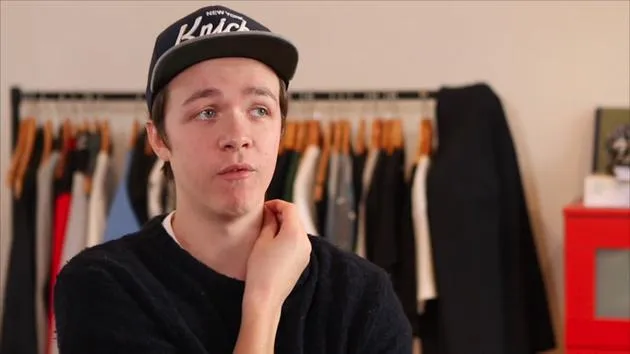
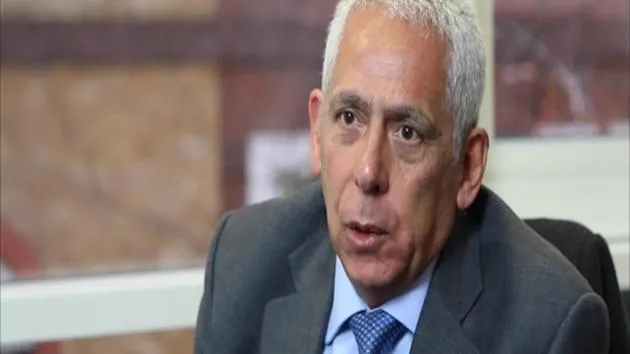
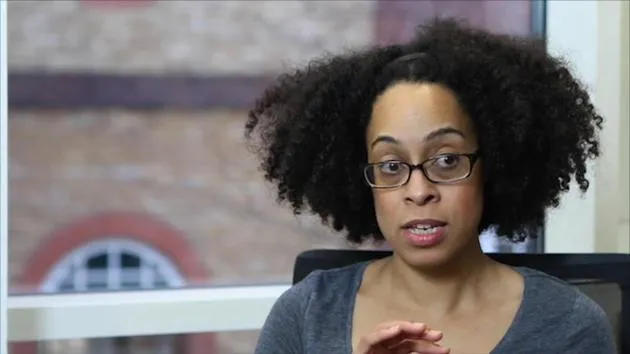
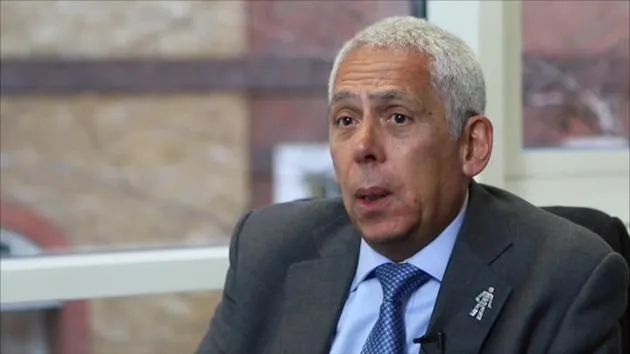
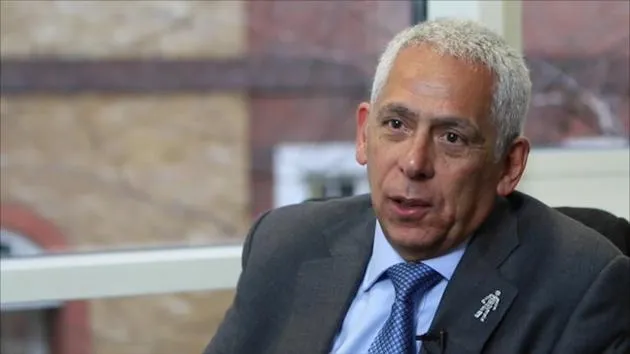
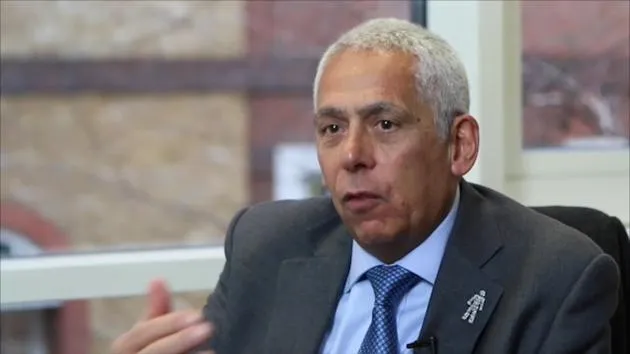
Imogen HeapDeine Beziehung zu einem Manager wird wohl die engste und wichtigste deiner Karriere sein. Aber was macht ein Manager und warum brauchst du einen? Vier Manager aus der britischen Musikszene - Jon Webster, Chris Chadwick, Andy Edwards und Jonny Dawson - erklären es.
Das steckt im Kurs
44 Lektionen (2h 11m) · 1 gratis
01. Lerne die Manager kennen: warum du sie brauchst und was sie tun
Du bist hier2:35
02. Ein Management finden: worauf Manager achten
Gratis-Lektion4:39
03. Das Wesen der Beziehung zwischen Künstler und Manager
5:18

04. Sich professionell verhalten
2:50
05. Wer als Nächstes? Dein Team aufbauen
2:14
06. Übliche Provision für Manager
2:56



Transkript der Lektion
Music Management Overview
Participants:
- John Webster
- Chris Chadwick
- Andy Edwards
- Johnny Dawson
Introduction to Music Management
-
John Webster: "I am the CEO of the Music Managers Forum."
-
Chris Chadwick: "I'm a music manager at the moment. I work with two artists and about 10 producers."
-
Andy Edwards: "I'm a board director of the Music Managers Forum. MMF spent about the last eight years in artist management."
-
Johnny Dawson: "I am a partner at ATC Management, where I manage five different bands."
The Role of a Music Manager
Artists need managers for various reasons:
- When the tasks outside of their creativity become overwhelming.
- When those tasks impede their creative process.
Important Insight:
- A manager once told me: "When I joined the MMF seven years ago, I had to know five things. I now need to know 50 things. And I think it's 150 things now."
- The job's complexity has expanded alongside the changes in the music business.
Responsibilities of a Manager
- Business Advocate: The manager is the business-facing person within the team.
- Relationship Builder: Represents the artist in all their relationships, agent, publisher, record label, etc.
- Career Oversight: Manages the artist's entire career, including:
- Gigs
- Recordings
- Music releases
- Brand relationships
- Fan engagement
Evolving Definition of Management
- Traditionally, one manager would oversee an artist.
- Nowadays, it often involves:
- A management company or partnership.
- Two managers where one handles day-to-day tasks while the other focuses on business deals.
New Challenges in Management
Managers frequently find themselves:
- Taking on tasks previously handled by others.
- For example, raising finance, which was once secured through record and publishing deals, now requires innovative approaches.
The Crucial Relationship
The essence of a manager's role is:
- Constant Support: They are the go-to people during crises or major decisions.
- Alignment: They must be completely in sync with the artist's vision and goals.
In conclusion, the relationship between a manager and the artist is arguably the closest within the industry.
44 Lektionen
2 Std. 11 Min. strukturierte Videolektionen
Erweiterte Videofunktionen
Verlangsamen, Passagen loopen, mitlesen
Handy, Tablet & Desktop
Üben, wo du willst
100 % Zufriedenheitsgarantie
30 Tage Geld-zurück-Garantie
Lern deinen Guru kennen
Lern deinen Guru kennen
Imogen Heap ist eine mit dem Grammy ausgezeichnete englische Sängerin, Songwriterin, Produzentin und Technologin, deren Einfluss zwei Jahrzehnte Pop, Elektronik und Filmmusik prägt — ebenso wie viele der Technologien, die Künstler heute selbstverständlich nutzen.
1977 in London geboren und klassisch an Klavier, Cello und Klarinette ausgebildet, veröffentlichte sie 1998 ihr Debütalbum 'iMegaphone', bevor sie mit dem Produzenten Guy Sigsworth das Duo Frou Frou gründete, dessen Song 'Let Go' durch den Film Garden State ein weltweites Publikum erreichte. Ihr komplett selbst geschriebenes und produziertes Album 'Speak for Yourself' (2005) enthielt 'Hide and Seek' — jenen A-cappella-Meilenstein, der später Jason Derulos Nummer-1-Hit 'Whatcha Say' und Ariana Grandes 'Goodnight n Go' antrieb und bis heute neue Generationen von Hörern erreicht.
'Ellipse' (2009) gewann den Grammy in der Kategorie Best Engineered Album, Non-Classical — aufgenommen in ihrem eigenen Heimstudio — und später schrieb und produzierte sie 'Clean' auf Taylor Swifts '1989', das den Grammy als Album des Jahres gewann. Außerdem komponierte sie die Musik zum Theaterstück 'Harry Potter and the Cursed Child'.
Als unermüdliche Innovatorin entwickelte Heap die gestengesteuerten MI.MU-Handschuhe — gewürdigt mit drei Ehrendoktortiteln — und gründete Mycelia sowie The Creative Passport, Initiativen für ein faireres Daten-Ökosystem für Künstler. 2024 kehrte sie mit 'What Have You Done to Me?' zurück, entstanden mit ihrem KI-Stimm-Alter-Ego Mogen, während die virale Rückkehr von 'Headlock' ihre Musik Millionen neuer Fans nahebrachte.