Aufbau eines Vertrags und wie man ihn liest

Mit
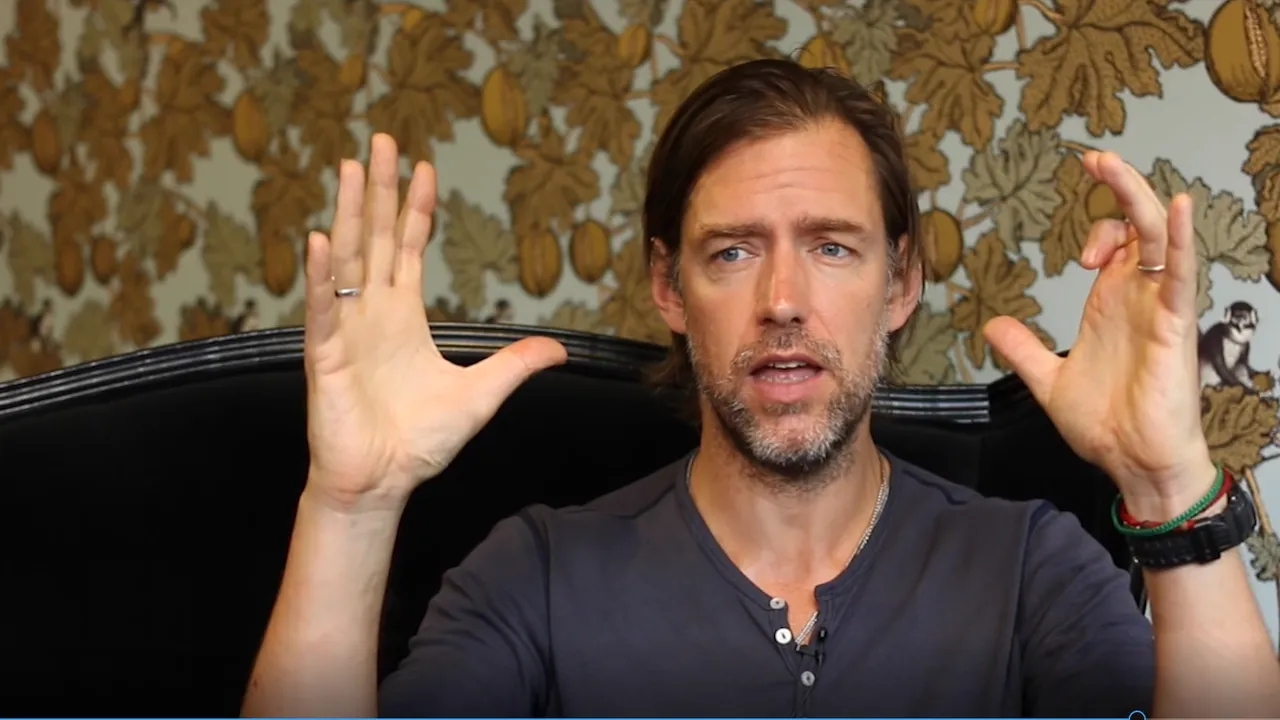
Imogen HeapLucie und Katie gehen die fünf Bausteine jedes Vertrags durch - Zeit, Gebiet, Werk, Pflichten und Geld - und wie man die nummerierten Klauseln im Zusammenhang liest.
Das steckt im Kurs
44 Lektionen (2h 11m) · 1 gratis
01. Lerne die Manager kennen: warum du sie brauchst und was sie tun
2:35
02. Ein Management finden: worauf Manager achten
Gratis-Lektion4:39
03. Das Wesen der Beziehung zwischen Künstler und Manager
5:18

04. Sich professionell verhalten
2:50

05. Wer als Nächstes? Dein Team aufbauen
2:14
06. Übliche Provision für Manager
2:56






















Transkript der Lektion
Music Lesson: Understanding Contracts
Overview
In this lesson, we will explore the five essential elements that make up all contracts.
1. Time
- Refers to the duration the contract covers.
- Known as the "term" of the contract.
2. Territory
- Defines the region in which the contract applies.
- Often covers the whole world, though specifics may vary.
3. Work
- Clarifies the type of work included in the contract.
- Addresses whether all projects or only some are included.
- Recognizes that artists may have multiple roles (e.g., in a band or as solo artists).
4. Obligations
- Specifies what both parties are required to do.
- Highlights the responsibilities of the manager and the artist.
5. Money
- Discusses the financial aspects of the relationship.
- Covers how managers get compensated for their time and efforts (e.g., via percentage or flat fees).
- Addresses what portion of the artist's earnings are theirs exclusively.
Diving Into Contract Structure
It's worth noting the format of contracts:
- Commission sections are often numbered: 5, 5.1, 5.2, 5.3, and so forth.
- Pay attention to these numbers to understand the hierarchical structure of topics.
- Read consecutive sections for clarity, as they often build on each other.
Importance of Reading in Context
- Contracts should be read in their entirety to grasp their full meaning.
- Isolated reading may lead to misunderstandings.
Clause Example
Reflecting on a specific clause, we see:
"I shall not be entitled to be paid commission on any monies advanced to you for the use of recording costs, video costs, Internet, website costs received from record or publishing companies, equipment costs, third party producers, advances and royalties, recoupable talk support, per diem's paid to you, recoupable sums paid to a third party for the purpose of independent promotion or marketing, any monies received from the sale of equipment or monies due to you, but not paid and received by you."
- This clause emphasizes the lack of "breathing space," contrasting with the rhythm found in song lyrics.
- The key term is "notwithstanding," indicating an exception to the rules outlined previously.
Conclusion
Understanding these components and the importance of reading contracts in context will significantly enhance your ability to navigate agreements in the music industry.
44 Lektionen
2 Std. 11 Min. strukturierte Videolektionen
Erweiterte Videofunktionen
Verlangsamen, Passagen loopen, mitlesen
Handy, Tablet & Desktop
Üben, wo du willst
100 % Zufriedenheitsgarantie
30 Tage Geld-zurück-Garantie
Lern deinen Guru kennen
Lern deinen Guru kennen
Imogen Heap ist eine mit dem Grammy ausgezeichnete englische Sängerin, Songwriterin, Produzentin und Technologin, deren Einfluss zwei Jahrzehnte Pop, Elektronik und Filmmusik prägt — ebenso wie viele der Technologien, die Künstler heute selbstverständlich nutzen.
1977 in London geboren und klassisch an Klavier, Cello und Klarinette ausgebildet, veröffentlichte sie 1998 ihr Debütalbum 'iMegaphone', bevor sie mit dem Produzenten Guy Sigsworth das Duo Frou Frou gründete, dessen Song 'Let Go' durch den Film Garden State ein weltweites Publikum erreichte. Ihr komplett selbst geschriebenes und produziertes Album 'Speak for Yourself' (2005) enthielt 'Hide and Seek' — jenen A-cappella-Meilenstein, der später Jason Derulos Nummer-1-Hit 'Whatcha Say' und Ariana Grandes 'Goodnight n Go' antrieb und bis heute neue Generationen von Hörern erreicht.
'Ellipse' (2009) gewann den Grammy in der Kategorie Best Engineered Album, Non-Classical — aufgenommen in ihrem eigenen Heimstudio — und später schrieb und produzierte sie 'Clean' auf Taylor Swifts '1989', das den Grammy als Album des Jahres gewann. Außerdem komponierte sie die Musik zum Theaterstück 'Harry Potter and the Cursed Child'.
Als unermüdliche Innovatorin entwickelte Heap die gestengesteuerten MI.MU-Handschuhe — gewürdigt mit drei Ehrendoktortiteln — und gründete Mycelia sowie The Creative Passport, Initiativen für ein faireres Daten-Ökosystem für Künstler. 2024 kehrte sie mit 'What Have You Done to Me?' zurück, entstanden mit ihrem KI-Stimm-Alter-Ego Mogen, während die virale Rückkehr von 'Headlock' ihre Musik Millionen neuer Fans nahebrachte.