Verlagsvertrag

Mit
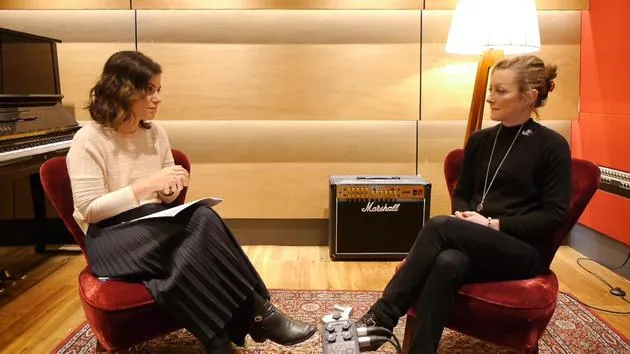
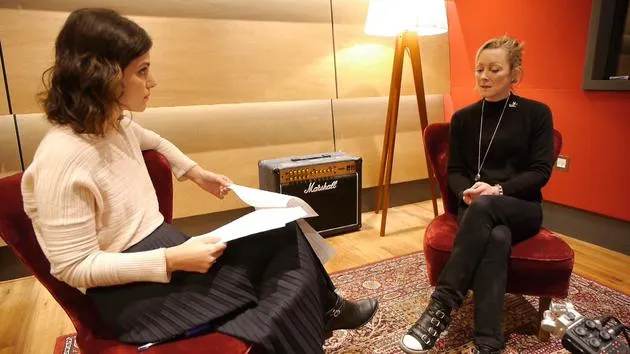
Imogen HeapPete erklärt, was ein Verlagsvertrag wirklich bedeutet: Du überträgst deine Urheberrechte für einen Zeitraum an einen Verlag, damit er deine Songs verwalten und aktiv verwerten kann.
Das steckt im Kurs
44 Lektionen (2h 11m) · 1 gratis
01. Lerne die Manager kennen: warum du sie brauchst und was sie tun
2:35
02. Ein Management finden: worauf Manager achten
Gratis-Lektion4:39
03. Das Wesen der Beziehung zwischen Künstler und Manager
5:18

04. Sich professionell verhalten
2:50
05. Wer als Nächstes? Dein Team aufbauen
2:14
06. Übliche Provision für Manager
2:56
Transkript der Lektion
Understanding Music Publishing Deals
Introduction
Basically, everything that you write as a writer for a period of time, you are essentially transferring ownership of that to the publisher for a period of time. They can do various things for you.
The Role of the Publisher
Basic Responsibilities
- The publisher will administer your copyrights on the song. This includes:
- Registering them with various collection societies.
- Ensuring that all administrative tasks are handled properly.
Exploitation of Rights
- The next step for a publisher is to actively try to exploit the copyrights.
- This is a legal term that means finding ways to generate revenue from those copyrights and the songs themselves.
- They may look for opportunities for your songs to be used in:
- Film
- TV
- They may also seek out other artists to cover your songs, regardless of whether you are a performer yourself.
Collaboration Opportunities
- Publishers often play a key role in putting you in touch with other writers.
- There are many successful collaborations, as noted in an article where almost all hits in 2015 were written with co-writers.
- As an artist, you might think, "To really enhance what I do, I would like to work with somebody else."
- A publisher can facilitate those relationships to help develop your artistry.
What to Look for in a Publishing Contract
Key Components
In a contract, you should find details about:
- The Parties: Who is involved in the agreement.
- The Duration: The period of time the contract will cover.
- The Territory: Typically, this is worldwide for publishing.
- The Rights Granted: Clarify what rights you are transferring to the publisher:
- Are you assigning your rights for everything you write or just specific works (e.g., a particular album)?
Copyright Reversion
- It's essential to understand when you will regain your copyright ownership.
- Usually, after the contract ends, there will be a period (typically between 10 to 20 years) where the publisher retains ownership of those copyrights. After this period, they revert back to you.
Reversion Clauses
- Consider negotiating a reversion clause. This clause may state that even though the publisher has rights for a set term:
- If they haven't utilized your copyrights for a certain period, you can reclaim rights sooner (e.g., after two to three years).
Conclusion
Understanding these elements of a publishing deal is crucial for any artist or songwriter. Being informed allows you to make better decisions and ensure that your creative work is being utilized effectively.
44 Lektionen
2 Std. 11 Min. strukturierte Videolektionen
Erweiterte Videofunktionen
Verlangsamen, Passagen loopen, mitlesen
Handy, Tablet & Desktop
Üben, wo du willst
100 % Zufriedenheitsgarantie
30 Tage Geld-zurück-Garantie
Lern deinen Guru kennen
Lern deinen Guru kennen
Imogen Heap ist eine mit dem Grammy ausgezeichnete englische Sängerin, Songwriterin, Produzentin und Technologin, deren Einfluss zwei Jahrzehnte Pop, Elektronik und Filmmusik prägt — ebenso wie viele der Technologien, die Künstler heute selbstverständlich nutzen.
1977 in London geboren und klassisch an Klavier, Cello und Klarinette ausgebildet, veröffentlichte sie 1998 ihr Debütalbum 'iMegaphone', bevor sie mit dem Produzenten Guy Sigsworth das Duo Frou Frou gründete, dessen Song 'Let Go' durch den Film Garden State ein weltweites Publikum erreichte. Ihr komplett selbst geschriebenes und produziertes Album 'Speak for Yourself' (2005) enthielt 'Hide and Seek' — jenen A-cappella-Meilenstein, der später Jason Derulos Nummer-1-Hit 'Whatcha Say' und Ariana Grandes 'Goodnight n Go' antrieb und bis heute neue Generationen von Hörern erreicht.
'Ellipse' (2009) gewann den Grammy in der Kategorie Best Engineered Album, Non-Classical — aufgenommen in ihrem eigenen Heimstudio — und später schrieb und produzierte sie 'Clean' auf Taylor Swifts '1989', das den Grammy als Album des Jahres gewann. Außerdem komponierte sie die Musik zum Theaterstück 'Harry Potter and the Cursed Child'.
Als unermüdliche Innovatorin entwickelte Heap die gestengesteuerten MI.MU-Handschuhe — gewürdigt mit drei Ehrendoktortiteln — und gründete Mycelia sowie The Creative Passport, Initiativen für ein faireres Daten-Ökosystem für Künstler. 2024 kehrte sie mit 'What Have You Done to Me?' zurück, entstanden mit ihrem KI-Stimm-Alter-Ego Mogen, während die virale Rückkehr von 'Headlock' ihre Musik Millionen neuer Fans nahebrachte.