



Audio in MIDI umwandeln – absichtlich falsch eingesetzt
Das steckt im Kurs
36 Lektionen (5h 28m) · 1 gratis
Transkript der Lektion
Audio to MIDI Feature: A Creative Approach
Hello and welcome to the fourth and last video of the series about my favorite Live 9 feature at the moment, the Audio to MIDI feature.
In the first three videos, I've shown you how to use the following:
- Drums to MIDI
- Harmony to MIDI
- Melody to MIDI
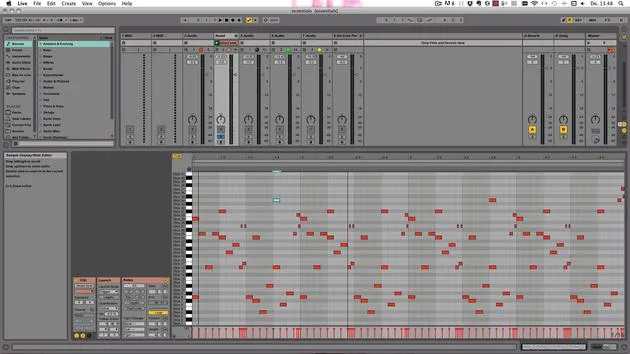
And the result we got so far is this.
Exploring Creative Misuse
In this video, I want to show you that you don't necessarily have to use them correctly. Sometimes, misusing the feature can be very helpful and creative. It might not always work out, but it's definitely worth the shot!
Getting Started
- Stop All Clips: First, I'm going to stop all clips.
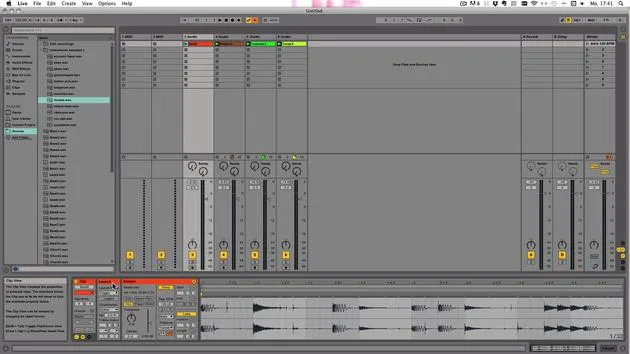
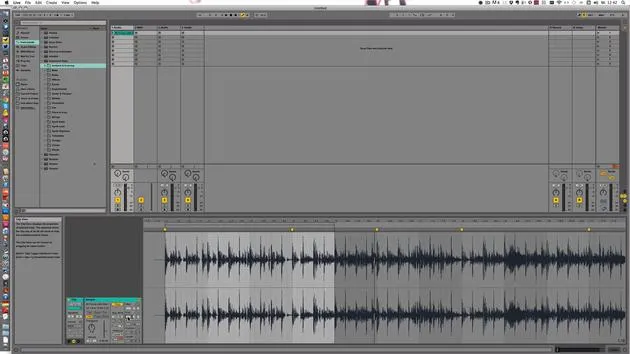
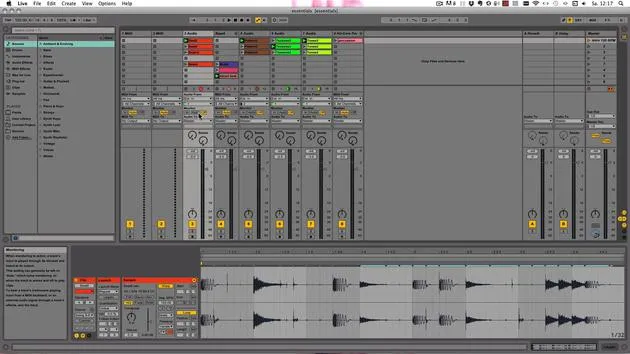
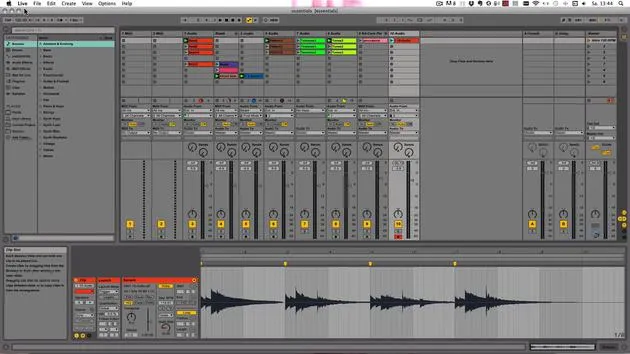
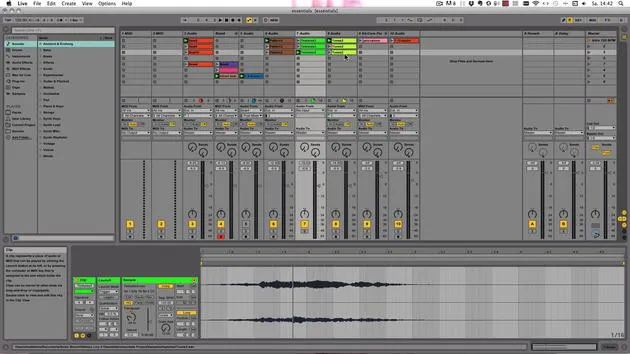
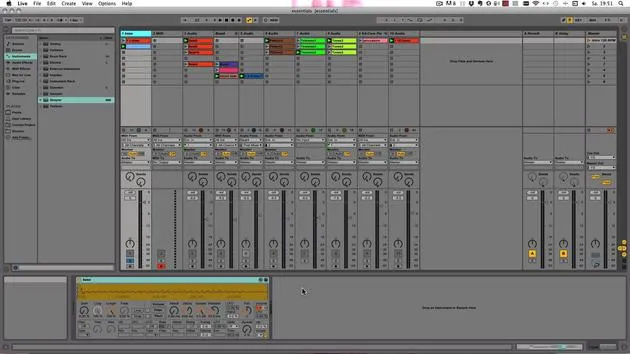
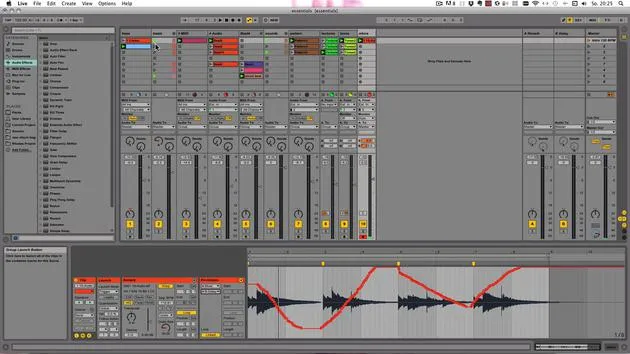
- Audio Sample: Let's go back to the funny little man audio sample that we used to convert drums to MIDI.
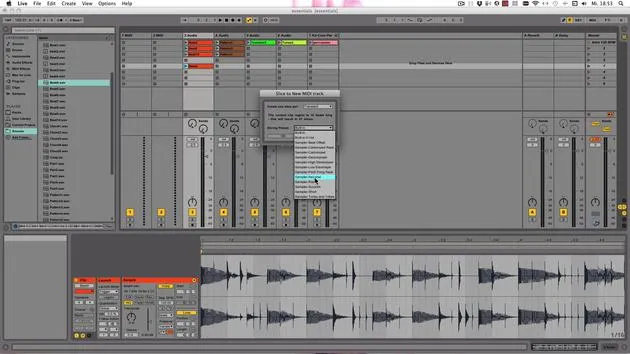
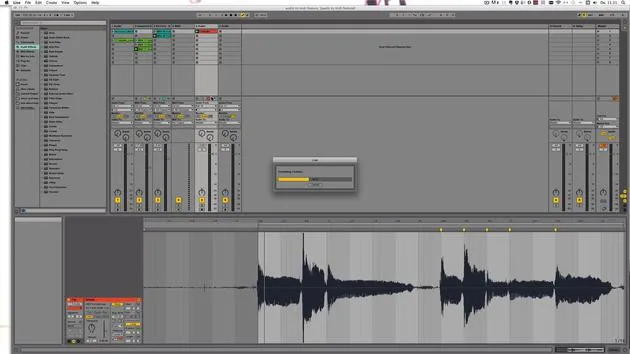
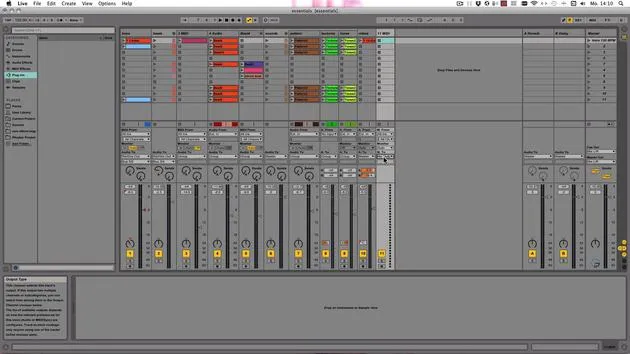
Alright, so as you can hear, there's already some sounds in there, some harmonics. It'd be interesting to see what happens if we just convert harmony to a new MIDI track on this audio clip.
Converting Harmony to MIDI
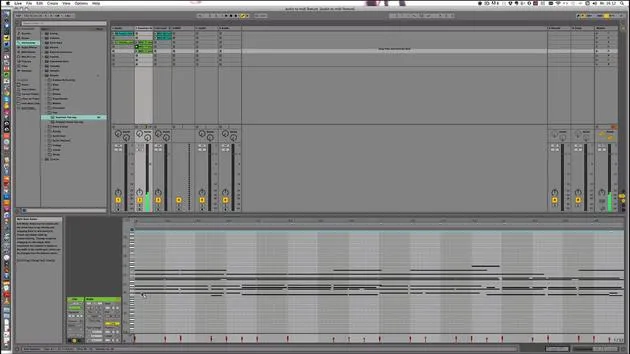
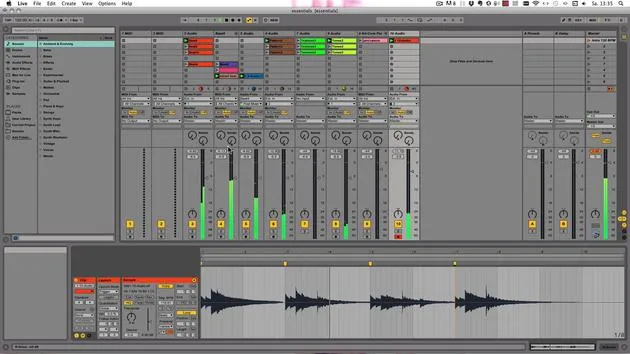
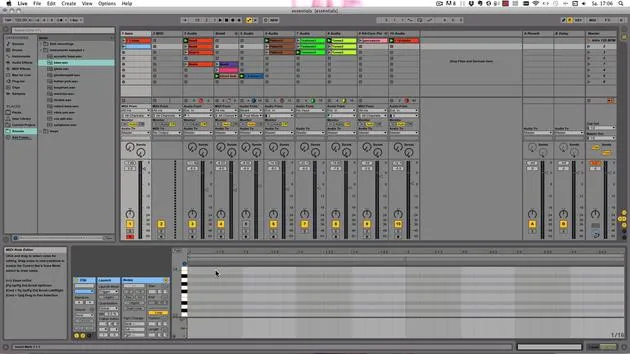
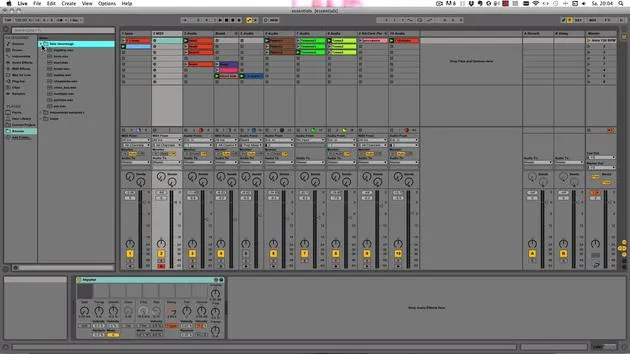
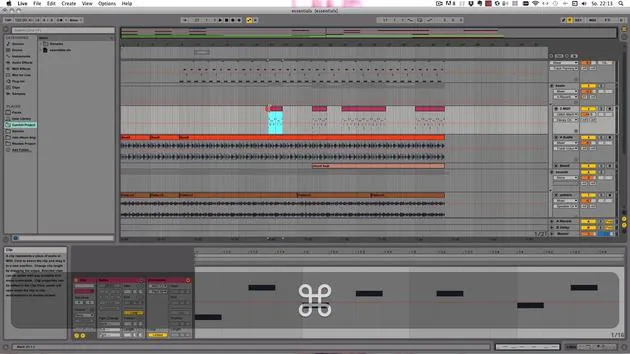
As you can see, we have the grand piano again, because that's what comes up when you convert harmony to MIDI.
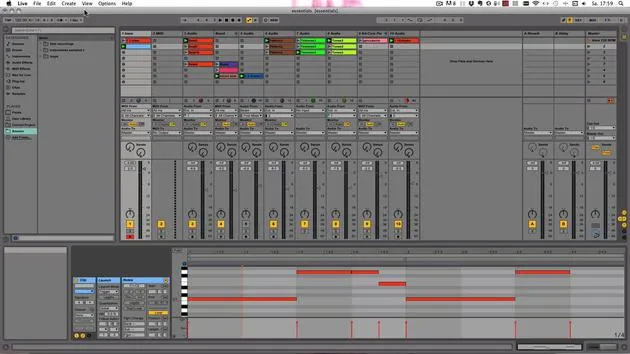
- Play the Track: Now, let's just play this and see what happens.
Yes, some pretty good free jazz!
First off, we're going to loop that. And now I think I'm just going to get rid of some of the notes. Let's keep them in for now and see what happens.
Choosing Instruments
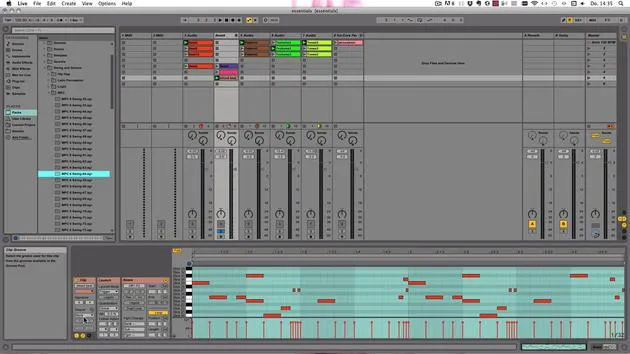
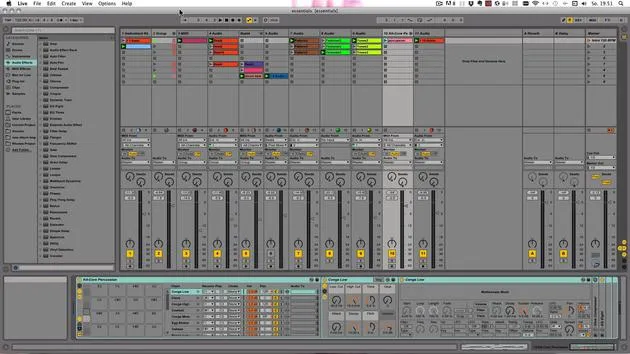
I don't quite like the sound of the piano with it, especially because it's very rigid at the moment. So we'll go into the instruments, and I've decided I want to use a vibraphone sound for this one and just tweak that a little.
- Play the Vibraphone: Okay, let's play that with the other set of MIDI tracks that we created.
Yeah, it definitely is out of tune, isn't it? It's a bit quiet as well.
So let's turn up the volume just a little bit.
Using MIDI Effects
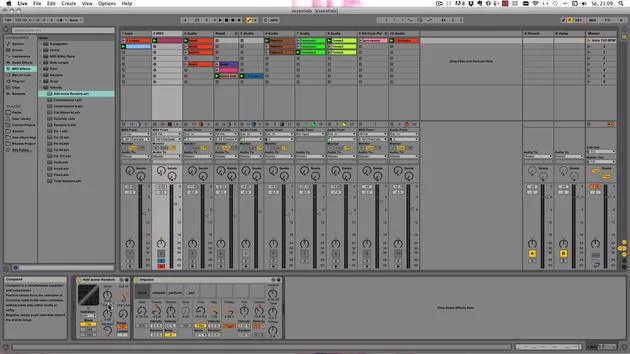
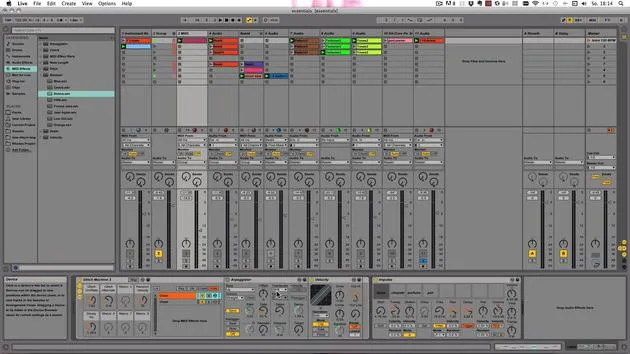
Now I can show you a neat little trick for trying things out. Here, you've got the Scale MIDI Effect.
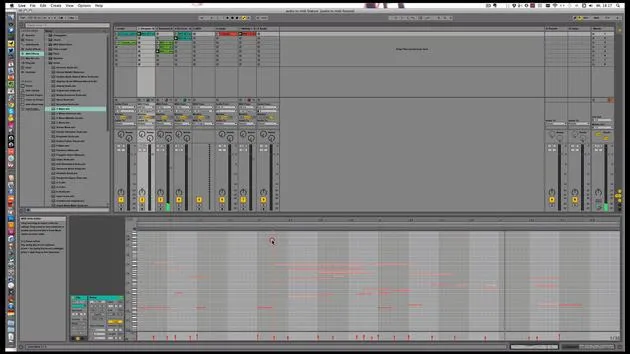
Looking at this track, let's fold it up. This could actually be C major, really! There are no sharp notes in there at all.
- Drop in C Major: So then, let's take the C major and just drop that in here and play again.
Okay, maybe that's a little bit too much.
And what I had highlighted I should get rid of.
Adding Effects
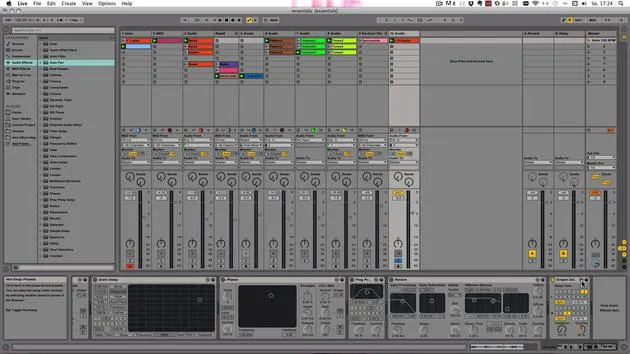
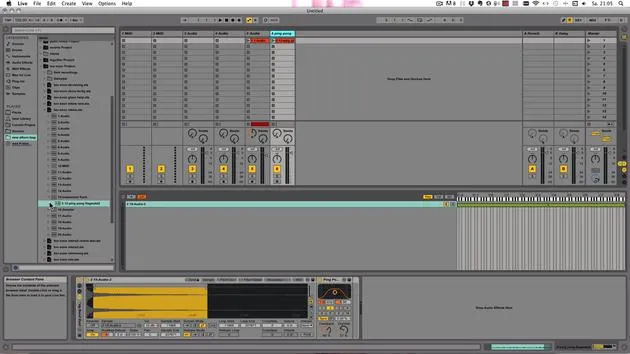
I also think what might be nice is a ping pong delay on it. Let's just take this one.
- Adjust Feedback: Alright, let's try maybe not so much feedback, but all wet instead.
Okay, let's try again. That should be a bit louder still.
Conclusion
As you can hear, it might not be perfect, but it's definitely going somewhere, especially if you tweak it a little longer. And, yeah, that's it from this series of video tutorials.
I'll see you next time with a new subject or maybe a new series.
Bye!
36 Lektionen
5 Std. 28 Min. strukturierte Videolektionen
Erweiterte Videofunktionen
Verlangsamen, Passagen loopen, mitlesen
Handy, Tablet & Desktop
Üben, wo du willst
100 % Zufriedenheitsgarantie
30 Tage Geld-zurück-Garantie
Lern deinen Guru kennen

Lern deinen Guru kennen
Madeleine Bloom ist eine klassisch ausgebildete Musikerin, Produzentin, Multiinstrumentalistin und Sängerin aus Berlin und Gründerin des Labels Quixotica Records. Sie studierte elektroakustische Musik am Franz-Liszt-Konservatorium bei Prof. Robin Minard und überträgt diese Methoden auf ihren eigenen Mix aus Electronica-Pop. Ihre Musik wurde von den Produzenten Guy Sigsworth und Rupert Hine gelobt und brachte ihr eine persönliche Einladung von Imogen Heap ein, deren Tour sie eröffnete.
Als ehemalige technische Support-Mitarbeiterin von Ableton gründete sie 2012 die Online-Plattform Sonic Bloom, auf der sie in Kursen, Workshops und Einzelstunden Ableton Live und Musikproduktion unterrichtet. Sie hat Menschen auf der ganzen Welt mit Ableton Live, Push und Max for Live sowie mit Audio Engineering, Musiktheorie, Komposition und Sounddesign geholfen.







