



Jean-Luc Ponty
Mit
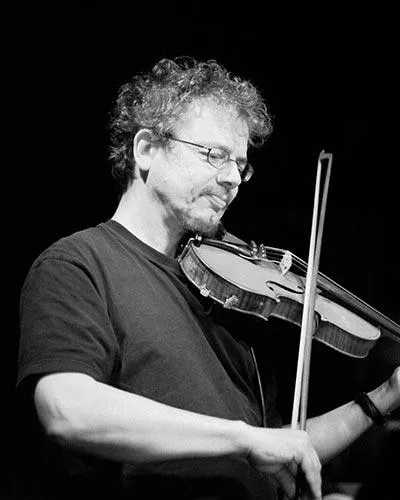
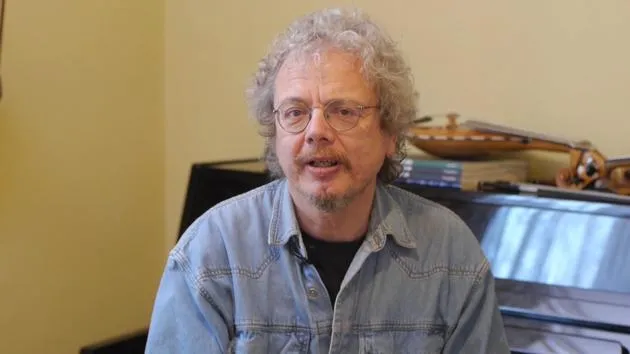
Chris HaighPonty war ein französischer Geiger, der in den 1960er-Jahren vom klassischen Violinspiel zum Bebop wechselte
Das steckt im Kurs
28 Lektionen (1h 46m) · 1 gratis
01. Verminderte Akkorde
6:10
02. Aufgabe: vermindert
0:17
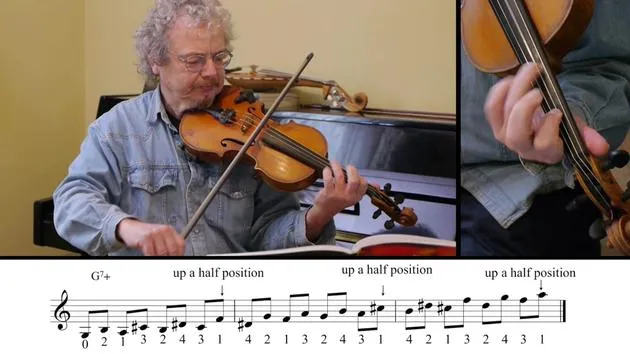
03. Übermäßige Akkorde
3:48
04. Aufgabe: übermäßige Akkorde
0:19
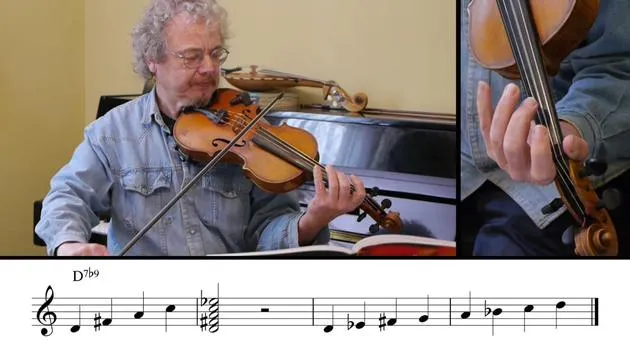
05. Minor 7b5/7b9
2:24
06. Aufgabe m7b5/7b9
1:15
07. Slash- und sus-Akkorde
6:18
08. Aufgabe: Slash- und Sus-Akkorde
0:18
09. Substitutionen und 'outside' spielen
7:21
10. Aufgabe: Outside spielen
0:29
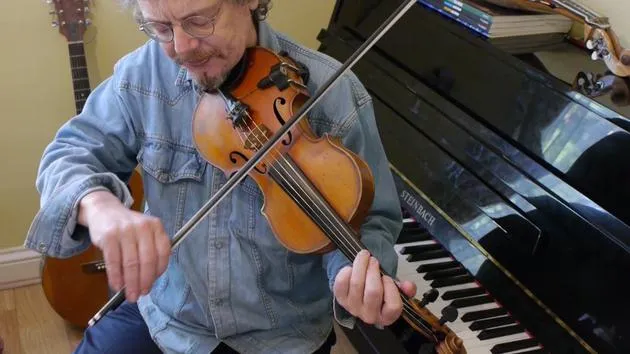
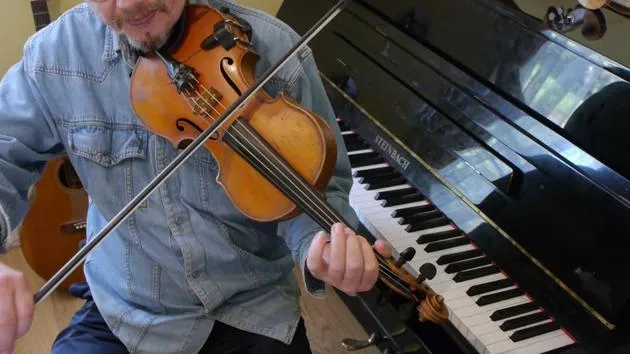
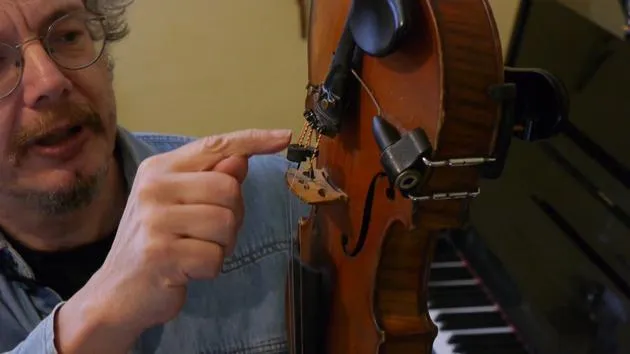
Transkript der Lektion
Lesson on Jean Luc Ponty
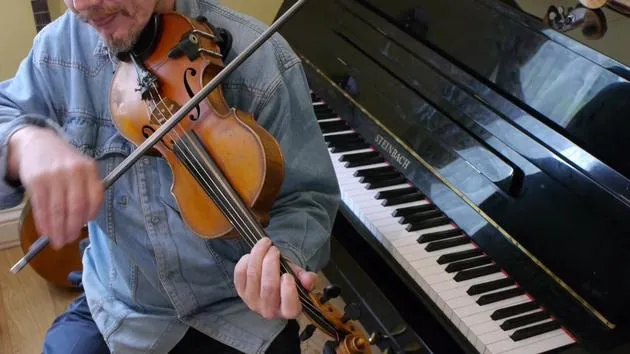
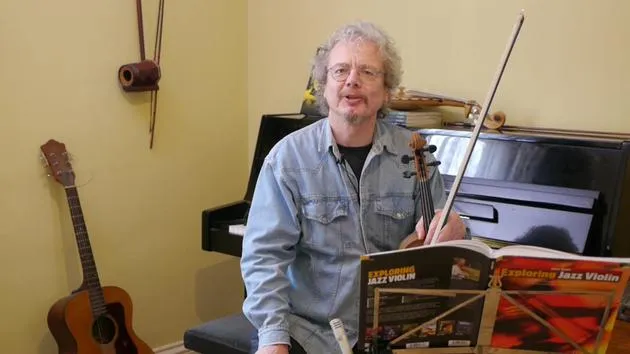
This lesson is about the playing of Jean Luc Ponty. He was a French violinist who:
- Started off in classical music
- Switched to playing bebop in the 1960s, excelling in this genre
- Produced some of the best bebop violin recordings
After moving to America, he:
- Played fusion and rock music with Frank Zappa
- Worked with the Ma Vishnu Orchestra
- Released a series of solo recordings from the 1970s to the present
Notable Techniques and Riffs
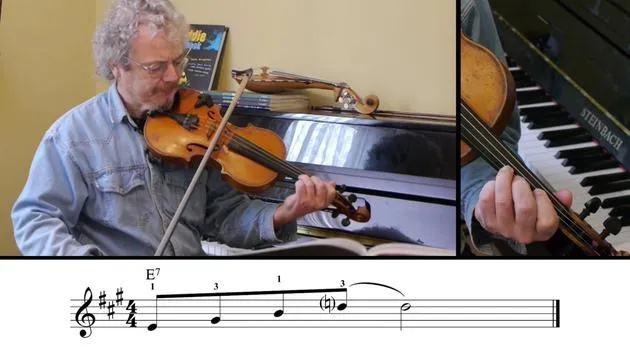
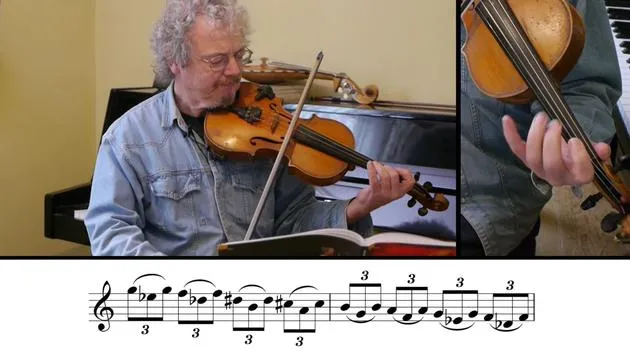
Many Jean Luc Ponty riffs are built around descending three-note motifs. These can be constructed on an arpeggio, and you can hear a lot of these during his:
- King Kong and
- Electric Connection period
Scale Variations
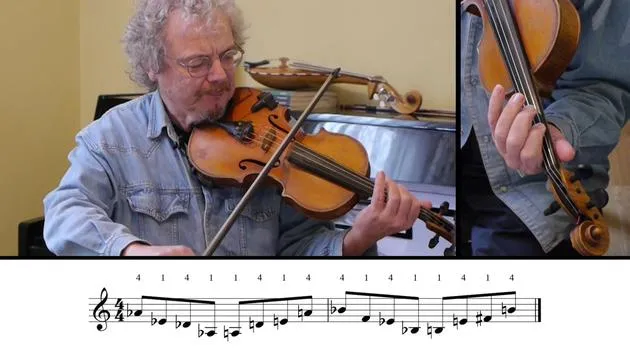
- Here's a scale version.
- Here's another variation.
It was possibly during his tenure with Mahavishnu Orchestra that he was inspired to create this Indian-sounding variation.
Interesting Variations
An interesting variation occurs when he:
- Starts with a conventional scale
- Switches halfway through to a whole tone scale
Here's another whole tone pattern.
Triplet Runs
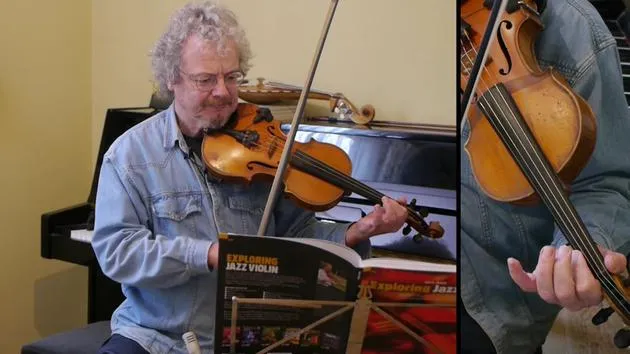
Ponty often uses long, flowing triplet runs, such as this one.
- Sometimes these triplets repeat in the same place rather than ascending or descending a scale.
- Occasionally, the third note is varied.
Ponty frequently employs these simple repeated patterns as a launch pad for outside notes. For example, by raising the entire sequence by a semitone, you can also apply this to an arpeggio. Instead of returning safely after one of these phrases, you can keep going to infinity and beyond.
Effective Techniques
A very simple but effective Ponty technique is the double E string.
- You can combine this with rhythmic chops and an ascent, which makes for a triumphant end to a solo.
The drone effect can also be achieved by using octaves.
Conclusion
Finally, here's a tune that brings together some mid-70s vintage Ponty licks. It's called Cosmic Voyager.
What fun!
28 Lektionen
1 Std. 46 Min. strukturierte Videolektionen
Erweiterte Videofunktionen
Verlangsamen, Passagen loopen, mitlesen
Handy, Tablet & Desktop
Üben, wo du willst
100 % Zufriedenheitsgarantie
30 Tage Geld-zurück-Garantie
Lern deinen Guru kennen
Lern deinen Guru kennen
Chris Haigh ist seit 25 Jahren professioneller Fiddle-Spieler mit Erfahrung in vielen verschiedenen Genres. Er hat auf über 75 Alben gespielt und dabei mit Künstlern wie Alison Moyet, Bob Geldof, All About Eve, Michael Ball, David Soul, Oumou Sangare, The Quireboys, Riverdance, Morcheeba, James Galway und Steps zusammengearbeitet.
Er hat Swing-Jazz mit The Kimbara Brothers, Diz Disley, Le Jazz, The Hot Club of London und den Quecumbar Allstars gespielt und leitet die siebenköpfige sowjetische Swing-Band The Kremlinaires.
Chris gibt Unterricht und Workshops zur Jazzgeigen-Technik und hat Jazzgeige an den Universitäten Middlesex, Brunel und Newcastle sowie am Truro College unterrichtet. Zu seinen Veröffentlichungen zählen neun Fiddle-Bücher, darunter The Fiddle Handbook.
Außerdem betreibt er Fiddling Around (fiddlingaround.co.uk), vermutlich die umfassendste und meistbesuchte Quelle für Fiddle-Wissen im Netz.







