



What makes the sousaphone unique?
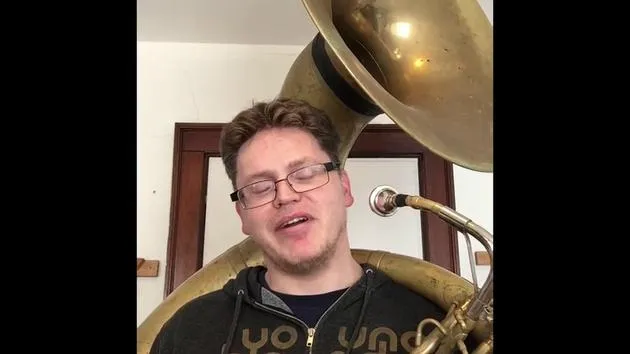
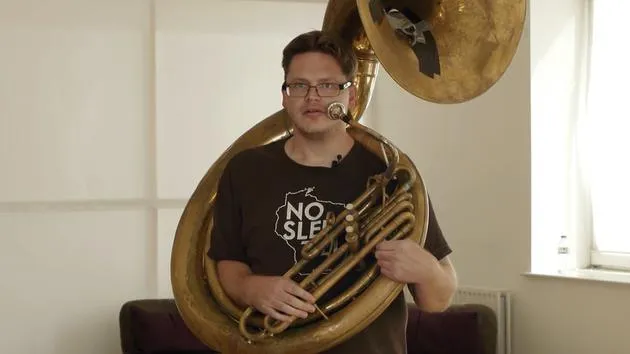
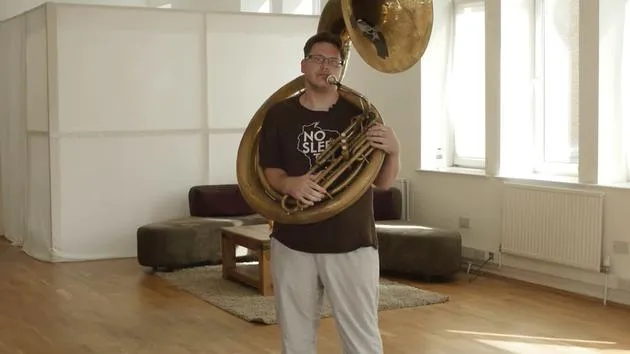
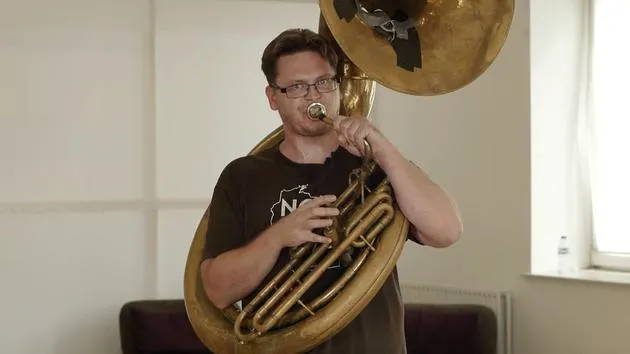
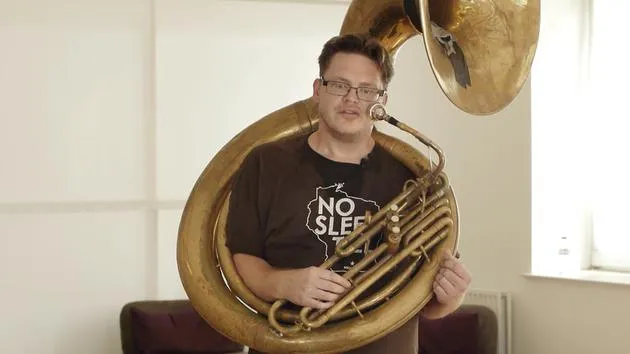
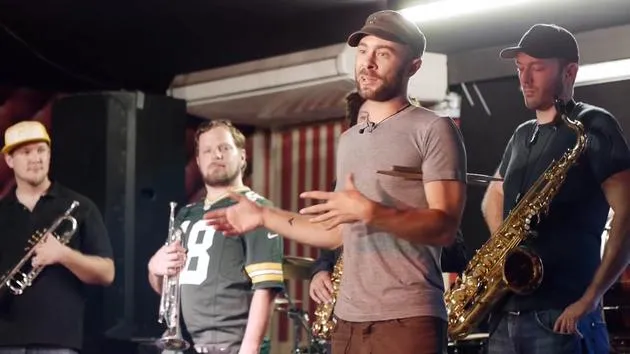
Nat McIntosh of Youngblood Brass Band explains what makes the sousaphone unique - its huge six-and-a-half-octave range and how far extended techniques can push it.
What's in the course
20 lessons (3h 4m) · 2 free
Lesson transcript
Extended Techniques for Sousaphone
Hi, this is Nat from Youngblood, and today we're going to talk about extended techniques for sousaphone.
Learning Through Exploration
One of the questions I get asked most often after shows is:
"Where did you learn to do that?"
And the answer is:
I did not learn to do that. I just started messing around.
That's what you all should do if you want to discover the awesome things that can make you sound like yourself on the sousaphone.
What Makes the Sousaphone Unique
Before we delve into how you can start experimenting, let's talk about what makes the sousaphone unique.
-
Wide Range
The sousaphone has the widest range of any brass instrument, capable of playing six and a half octaves easily. You can play anywhere from all the way down there, all the way up to...- Comparison with Other Instruments
- You can only play about half of that on trumpet.
- About two-thirds of that on trombone.
That's a lot of real estate to work with! This is one of the things that makes the sousaphone awesome.
- Comparison with Other Instruments
-
Large Sonic Waveform
The sousaphone produces a very large sonic waveform, which means the sound is highly manipulable.-
Versatile Tone Qualities
You can create a variety of different tone qualities from one single note. -
Unique Characteristics
For example, there are many ways to manipulate the sound within the waveform itself. This aspect is much harder to achieve on other instruments.
-
By understanding these unique characteristics, you can start to experiment and find the techniques that resonate with you on the sousaphone!
20 lessons
3h 4m of structured video lessons
Advanced video features
Slow down, loop a passage, follow along
Mobile, tablet & desktop
Practise wherever you are
100% satisfaction guarantee
30-day money-back guarantee
Meet your guru
Meet your guru
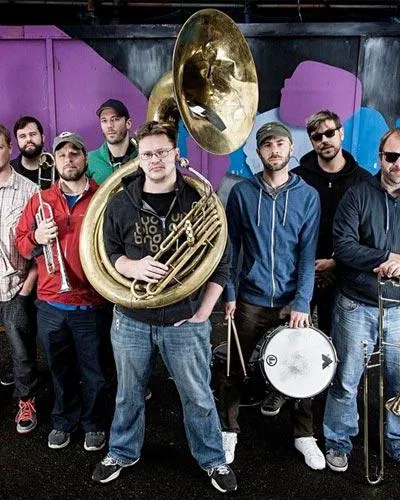
Youngblood Brass Band fuse uncompromising New Orleans brass with hip-hop energy and lyricism. Drawn from Madison, Brooklyn, Minneapolis and Chicago, the ten-piece has toured the world since 2000 and collaborated with the likes of Questlove and Talib Kweli. They are equally at home leading a marching band through their own compositions and headlining a punk festival. On MusicGurus they break down their New Orleans-meets-hip-hop sound - how they compose and arrange for horns, the rhythmic and harmonic vocabulary that ties it together, and how to play a horn line as part of a tight section, including the full parts to their tune 'Brooklyn'.







