



Creative use of the cowbell
Dave Henzie-Skogen shows how to make the cowbell part of the musical conversation - muted and open notes, go-go bell patterns - rather than just keeping time.

What's in the course
20 lessons (3h 4m) · 2 free

Lesson transcript
Exploring the Cowbell in Music
By the same token, cowbell is something that I feel like no one ever talks about in New Orleans music, or, I mean, in a lot of music. But it's the same kind of thing where you can just sit there and be like:
"Dang, dang, dang, dang, dang, dang, dang..."
And play the cowbell, or you can make it part of the musical conversation.
The Art of Simplicity
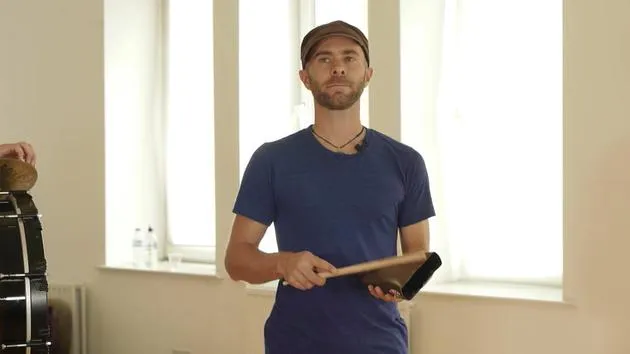
I've always been really interested in taking a really simple, small instrument and seeing how much conversation can be had from it. It's not just about hitting the cowbell, right?
- We play the same beat.
- Any kind of typical bell patterns, like go-go bell patterns, will work.
- You've got muted notes back here.
- You've got open notes here that ring a lot more.
- You've got notes on the side that are almost all harmonics.
Then there's your big open lip with that loud, fundamental sound, which is kind of the typical cowbell sound, but that's the one that I think should be used most infrequently, because that's your biggest spot to speak.
Creating Musical Conversations
So, yeah, I guess we'll just play a little stuff and play some cowbell. Again, there aren't specific rules; it just matters whether it fits and sounds good in the music. Everyone plays it a different way.
Key Points to Remember:
- Consistency with Variation: The point is for it to be consistent but have enough variation to be interesting.
- Adding to the Conversation: Try to speak in places where no one else is speaking just a little bit, or just add something to the musical conversation.
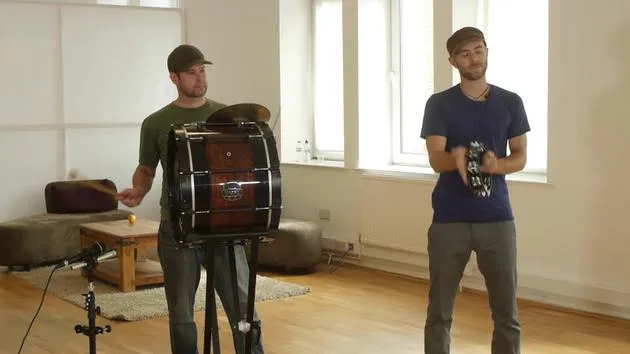
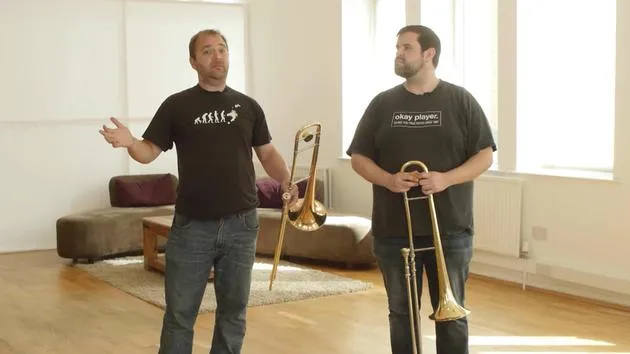
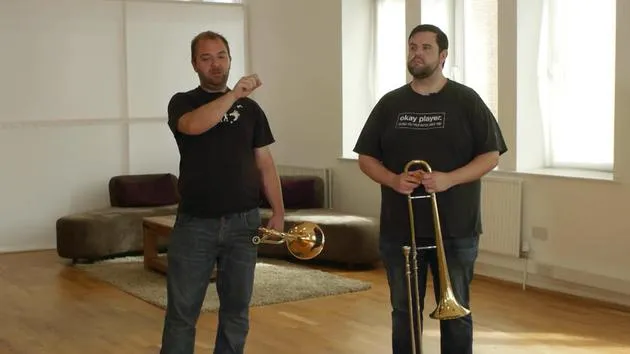
This is easier to tell if you have, you know, an entire band playing. But we'll do it with Tom and I, because we're basically the White Stripes: bass drum and cowbell.
Practical Application
Even just there, it's about playing really simple patterns, muting a lot of them because I want them to just be rhythm. Letting my hand off the cowbell when I want it to ring. If I want to do something crazy loud, I'm going to come down here, and I'm probably also going to raise it up if we were actually playing a song.
"Let's do that one more time for a second. One, two."
I might actually come out here with it and kind of hold it up more or whatever.
Finding the Right Patterns
You don't want to be over here just like:
"I'm soloing on the cowbell. I'm soloing on the cowbell."
You want to pick patterns that feel like they fit in the groove in really nice ways. Sometimes, this can mean staying on something straight for longer than you might think because it makes the variations pop that much more.
Conclusion
I think there's a lot more to it than just sitting around and going, you know, you can do that. But again, the instrument can speak a lot more than that if you kind of learn the vocabulary to it and mess with it.
So anyway, that's some accessory instrument stuff. Hope you enjoy!
- Tom Reschedi
- David Henzeskogan
- Youngblood Brass Band
- White Stripes
Killing it!
20 lessons
3h 4m of structured video lessons
Advanced video features
Slow down, loop a passage, follow along
Mobile, tablet & desktop
Practise wherever you are
100% satisfaction guarantee
30-day money-back guarantee
Meet your guru
Meet your guru
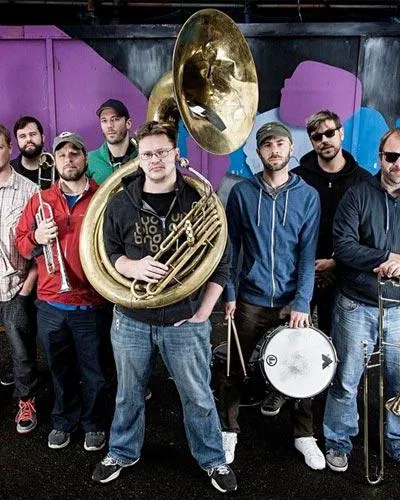
Youngblood Brass Band fuse uncompromising New Orleans brass with hip-hop energy and lyricism. Drawn from Madison, Brooklyn, Minneapolis and Chicago, the ten-piece has toured the world since 2000 and collaborated with the likes of Questlove and Talib Kweli. They are equally at home leading a marching band through their own compositions and headlining a punk festival. On MusicGurus they break down their New Orleans-meets-hip-hop sound - how they compose and arrange for horns, the rhythmic and harmonic vocabulary that ties it together, and how to play a horn line as part of a tight section, including the full parts to their tune 'Brooklyn'.







