



Flamboyant effects - scratching
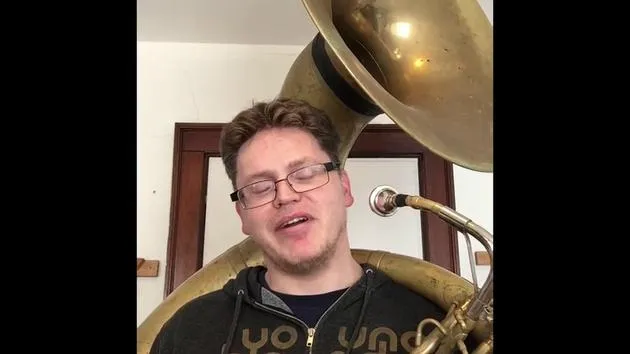
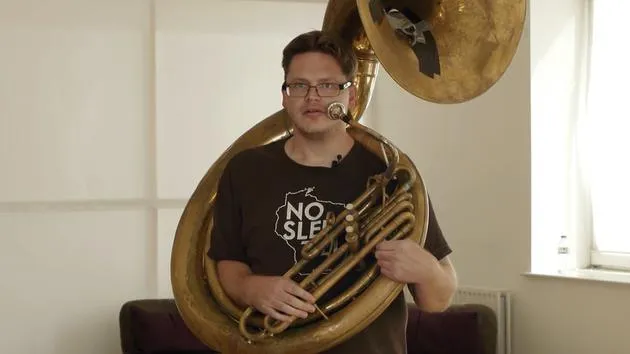
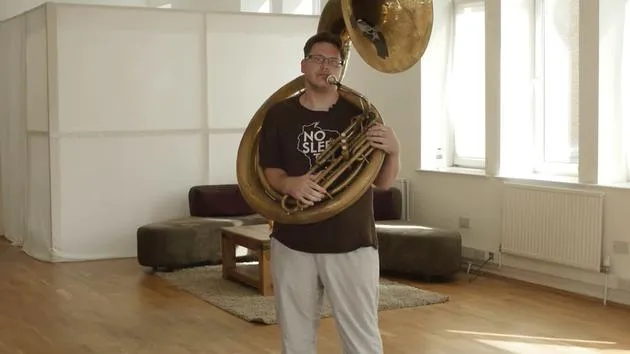
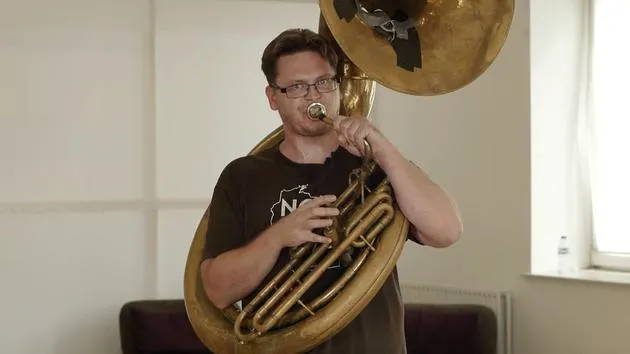
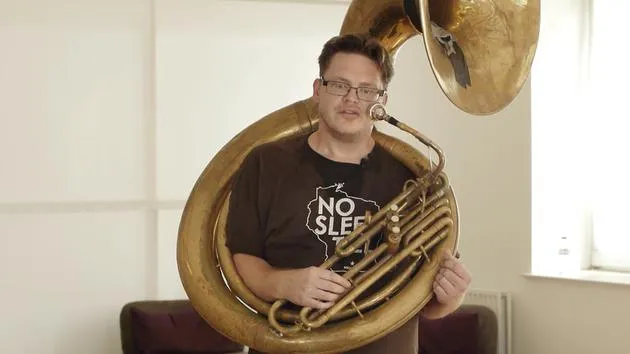
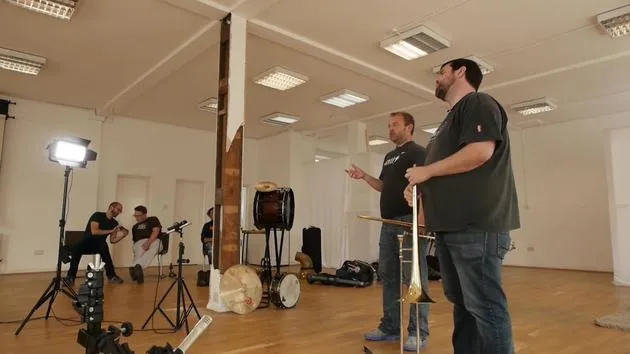
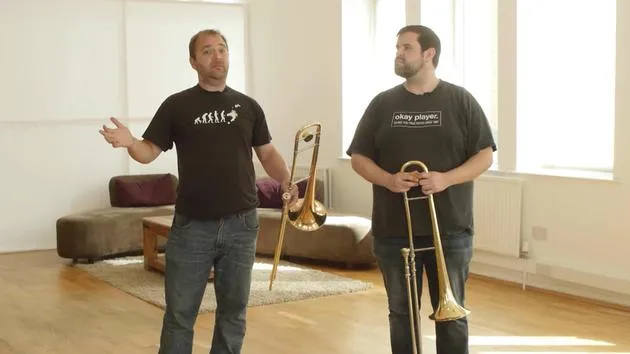
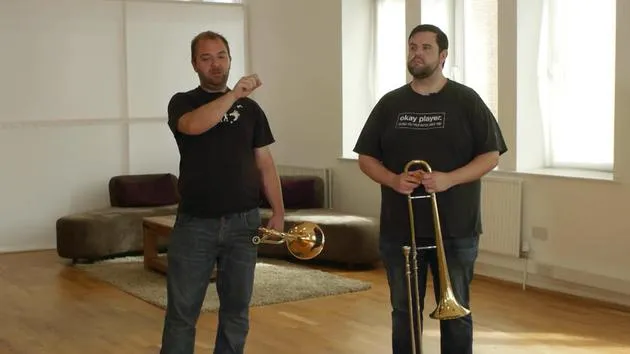
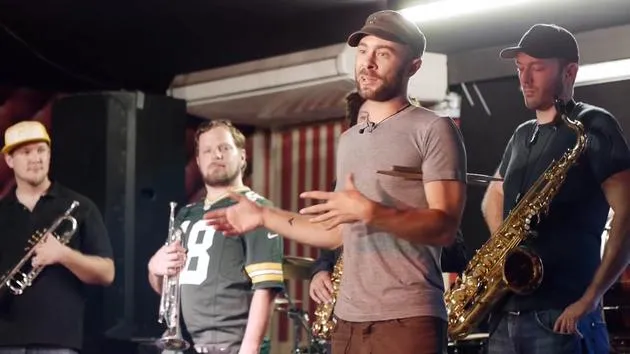
Nat McIntosh shows step by step how he creates his signature 'scratching' sound and other flamboyant effects on the sousaphone.
What's in the course
20 lessons (3h 4m) · 2 free
Lesson transcript
Scratching Effect in Music
Let's get on to some of the more flamboyant effects that I do, one of which is the scratching effect.
Origin of the Scratching Effect
A lot of people ask where the scratching effect comes from. They question whether it's all in the voice or if it's played.
- Answer: It's both. It can be anything.
Working on Upper Range
The scratching effect is about:
- Working on your upper range.
- Getting good at playing up there while you're in your upper range.
Notice how I wasn't hitting any partials? That was all a pure GLISP with no valves down. That's part of the key to being able to articulate within that gliss.
Articulation
If you can go, that's going to be where those notes live.
- You don't want it to sound too much like:
- "That's just double tonguing. That's nothing."
The important thing is that it moves within.
That's all just played right there. Okay? And you can do it with your voice. That's all, just with the voice.
Mixing Techniques
You mix them together, and you get something new. For example, again, the key to this stuff is rhythm.
- If you're not in time, it's just a bunch of messing around.
- It makes no sense to anybody.
Usage of the Effect
The important thing is that you use it sparingly, very sparingly.
- While you're using it sparingly, make sure that you're thinking about the landing, not the journey.
- The essential aspect is that it ends and that it ends in the right place where the bass drum comes in.
Not just that you're making this sound.
Effectiveness and Surprising the Audience
This technique only works if you can come up with really spare places to put it and ensure that it stays surprising every time that you do it.
- If it just starts to sound like you have one sound, and you do the same thing every single time...
- Really quickly, the audience is going to get bored with it.
Keeping It Moving
So, the key to it is to keep everything moving. All right?
20 lessons
3h 4m of structured video lessons
Advanced video features
Slow down, loop a passage, follow along
Mobile, tablet & desktop
Practise wherever you are
100% satisfaction guarantee
30-day money-back guarantee
Meet your guru
Meet your guru
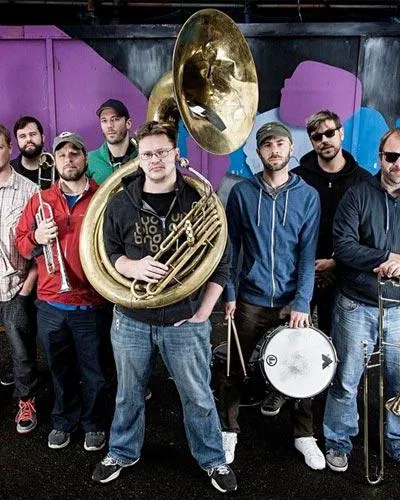
Youngblood Brass Band fuse uncompromising New Orleans brass with hip-hop energy and lyricism. Drawn from Madison, Brooklyn, Minneapolis and Chicago, the ten-piece has toured the world since 2000 and collaborated with the likes of Questlove and Talib Kweli. They are equally at home leading a marching band through their own compositions and headlining a punk festival. On MusicGurus they break down their New Orleans-meets-hip-hop sound - how they compose and arrange for horns, the rhythmic and harmonic vocabulary that ties it together, and how to play a horn line as part of a tight section, including the full parts to their tune 'Brooklyn'.







