



Multi-phonics
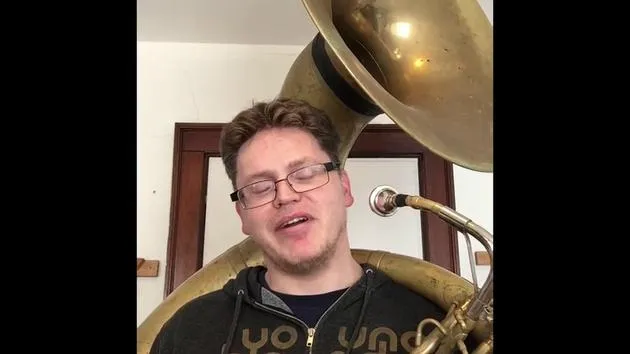
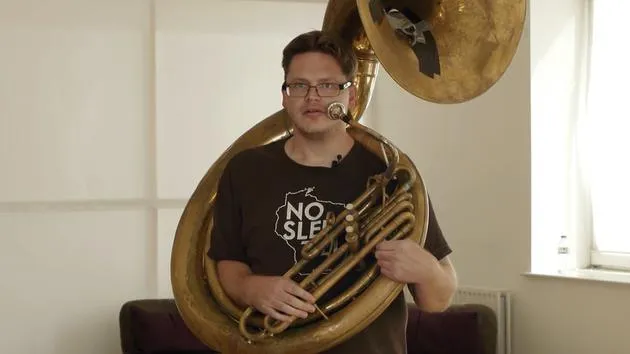
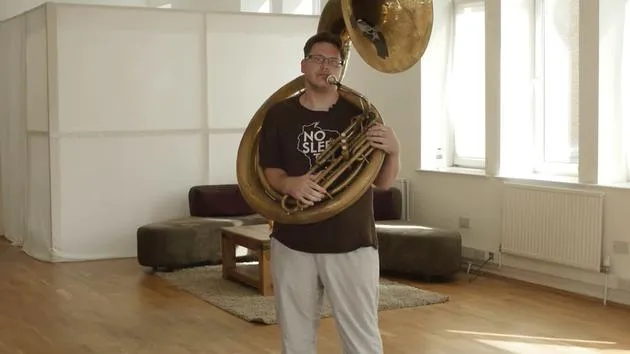
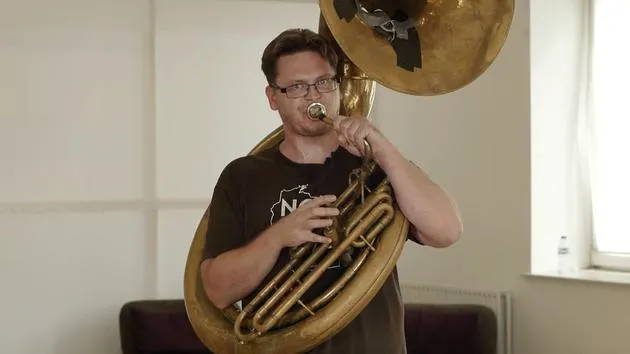
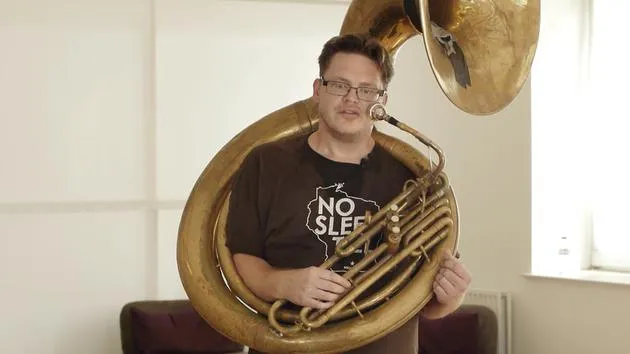
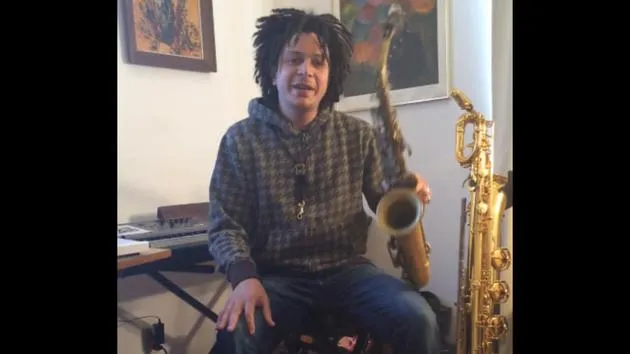
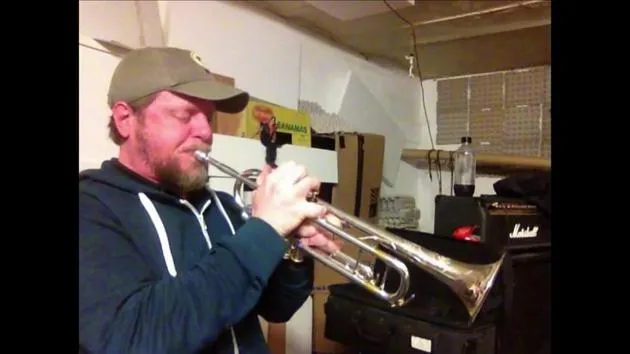
Nat McIntosh demonstrates the basics of multiphonics on the sousaphone - playing one note while singing another to harmonise with yourself.

What's in the course
20 lessons (3h 4m) · 2 free

Lesson transcript
Exploring Multiphonics with the Sousaphone
Now, because it has such a wide sonic waveform, it is, in my opinion, the best instrument for doing multiphonics.
What is Multiphonics?
Multiphonics is where you:
- Play a note
- Sing a note on top of it
You can also:
- Sing both notes
- Harmonize with yourself
Simple Directional Multiphonics
When you get good at it, you can learn how to make melodies with yourself. This is real simple , just go up in thirds. Your voice should be a third above where you're playing. This concept is what we call simple directional multiphonics.
Independent Multiphonics
Now, it starts to get hard when we talk about what I call independent multiphonics. This is when you're trying to play something different from the note that you're singing.
A Good Starting Point
A good, easy way to start working on this is to do a round with yourself. Let's try Frere Jacques.
I haven't done this in a while. Let's see if I can still do this.
Sounds a little silly, but it's something you can do. This can lead you to other ways to experiment with harmonization while you're playing the sousaphone.
Practical Example: The Brooklyn Solo
One of the big examples of the directional thing I do in a Youngblood context is the Brooklyn solo, where all of my multiphonics just follow the same direction as what I'm playing.
- Your voice is doing nothing but mirroring what you're playing a third above.
Adding Independence: The Elegy
If you want to add in a bit more independence, consider how I begin the song Elegy, where it's mostly a bass line with a melody that intermittently comes in and out.
Here's how you can work on that:
- See if you can hold a note that you're playing.
- Bring your voice in and out while maintaining the note.
This is much harder to do the other way around, but with enough practice, you can still achieve some cool results.
That's essentially the multiphonics side of things when you want to do both simultaneously.
20 lessons
3h 4m of structured video lessons
Advanced video features
Slow down, loop a passage, follow along
Mobile, tablet & desktop
Practise wherever you are
100% satisfaction guarantee
30-day money-back guarantee
Meet your guru
Meet your guru
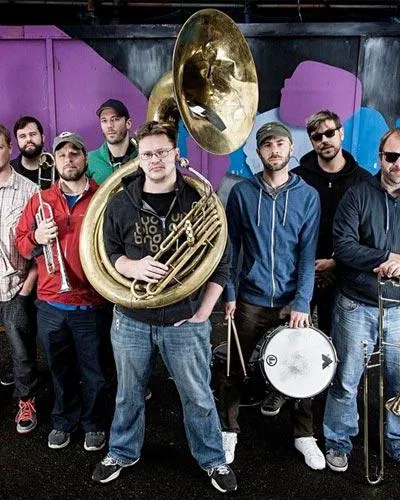
Youngblood Brass Band fuse uncompromising New Orleans brass with hip-hop energy and lyricism. Drawn from Madison, Brooklyn, Minneapolis and Chicago, the ten-piece has toured the world since 2000 and collaborated with the likes of Questlove and Talib Kweli. They are equally at home leading a marching band through their own compositions and headlining a punk festival. On MusicGurus they break down their New Orleans-meets-hip-hop sound - how they compose and arrange for horns, the rhythmic and harmonic vocabulary that ties it together, and how to play a horn line as part of a tight section, including the full parts to their tune 'Brooklyn'.







