



Traditionals & tailgating
Matt Hanzelka and Joe Goltz dig into the New Orleans gospel roots of brass band playing and the tailgating trombone technique that slides around the chords.
What's in the course
20 lessons (3h 4m) · 2 free



Lesson transcript
Exploring Tailgating in Brass Band Music
Introduction
So we just sort of gave you an example of a modern equivalent of aggressive trombone. But getting back to the roots of this band, it basically comes out of the gospel tradition in New Orleans.
Influences and Examples
- Gospel Roots: This style is deeply rooted in gospel songs like "I'll Fly Away" and "When the Saints Go Marching In."
- Traditional Sound: You often hear a melody with instruments like a clarinet dancing over the top, while the trombone slides around the chords below.
The Tailgating Technique
We're going to take a stab at tailgating with "I'll Fly Away," a gospel tune.
Why Traditionals?
- Learning Medium: For those newer to brass band music, traditionals are a great medium for trombonists to learn an entire tune.
- Melodic Opportunities: In traditional brass band settings, everyone plays melodies and harmonies.
Playing "I'll Fly Away"
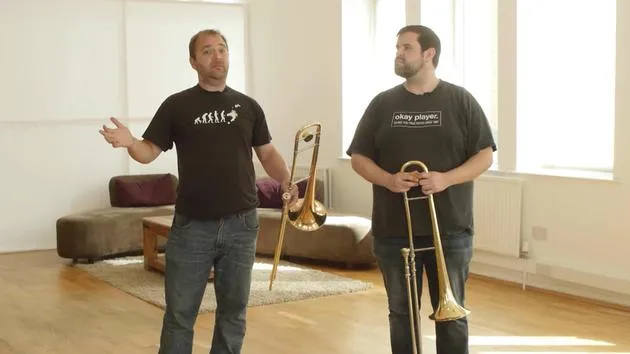
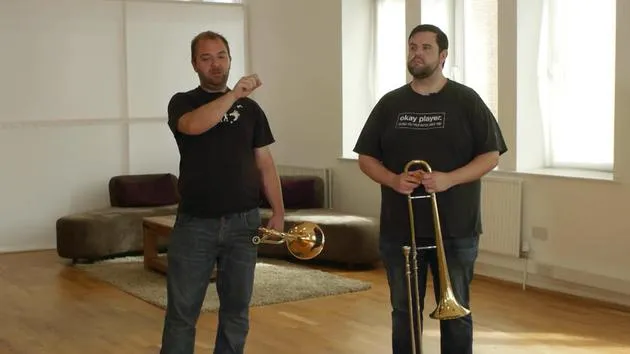
We'll go through the first part of the form. I'll take a pass at the melody, then Joe, and then we'll play part two of the song.
Tailgating Explained
- Definition: Tailgating involves outlining chords in the song while not stepping on the melody. It's about filling space in the tune.
- Approach:
- Listen for gaps in the melody.
- Cover those gaps for a bar or two, addressing any rhythmic harmonies or extensions that might be missing.
Melodic Inflections
When performing a gospel tune, it's essential to add inflections, like the way singers might inflect their voices melodically. For example:
- Vocal Style:
- Instead of simply singing "Oh, I fly away," they might use variations like "Oh, I, oh I fly away, oh way I O."
Playing with Purpose
- Collaboration:
- Knowing your partner instrument, usually a trumpet or a saxophone, helps you know when to jump in.
- Flexibility:
- Bounce between harmonic, melodic, and established bass lines.
Becoming a Better Player
Engaging in tailgating makes you listen to everything and understand every part of the song. It's easy to get lost in new music, but this practice helps you identify ideas and feel the rhythm in a flexible way.
Conclusion
The tailgating style offers trombonists a fantastic opportunity to explore the sounds of their instrument in a dynamic rhythmic setting. Embrace the chance to float with the music and fill in the gaps while contributing to the overall sound of the band!
Let's dive in and explore the richness of this tradition together!
20 lessons
3h 4m of structured video lessons
Advanced video features
Slow down, loop a passage, follow along
Mobile, tablet & desktop
Practise wherever you are
100% satisfaction guarantee
30-day money-back guarantee
Meet your guru
Meet your guru
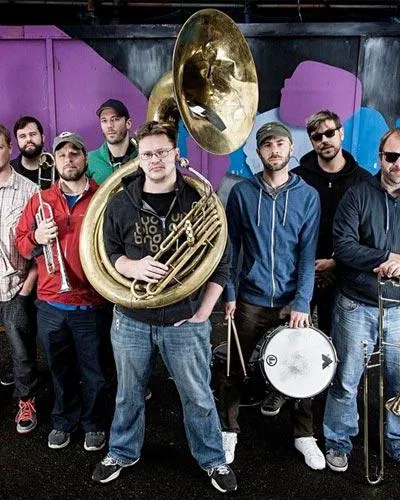
Youngblood Brass Band fuse uncompromising New Orleans brass with hip-hop energy and lyricism. Drawn from Madison, Brooklyn, Minneapolis and Chicago, the ten-piece has toured the world since 2000 and collaborated with the likes of Questlove and Talib Kweli. They are equally at home leading a marching band through their own compositions and headlining a punk festival. On MusicGurus they break down their New Orleans-meets-hip-hop sound - how they compose and arrange for horns, the rhythmic and harmonic vocabulary that ties it together, and how to play a horn line as part of a tight section, including the full parts to their tune 'Brooklyn'.







