



Sound, projection & volume
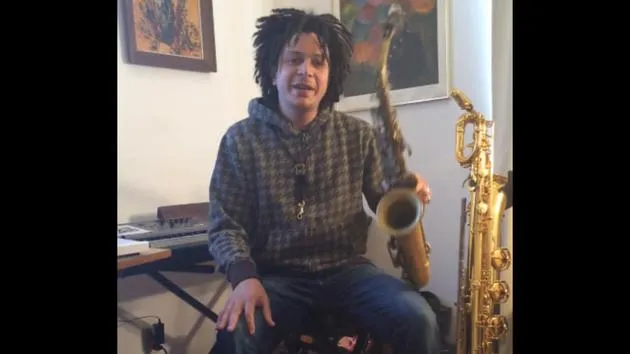
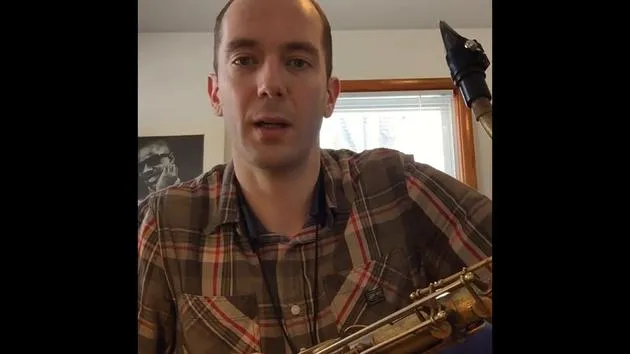
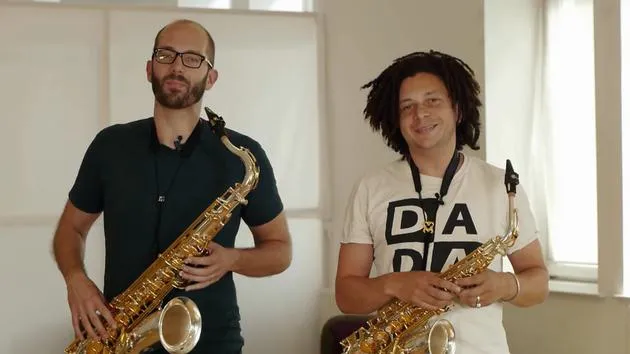
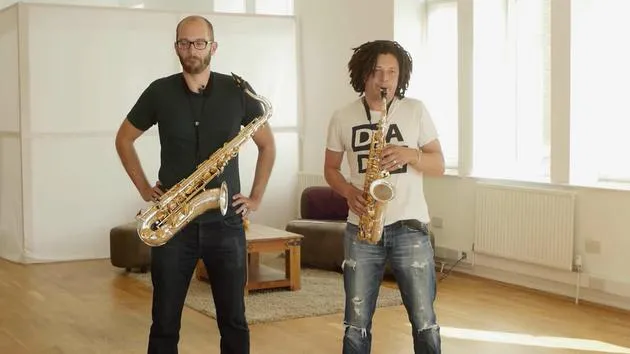
Zach and Tony of the Youngblood Brass Band on making your saxophone project and cut through a band, both with a microphone and through how you build and sculpt your sound.

What's in the course
20 lessons (3h 4m) · 2 free
Lesson transcript
Youngblood Music Lesson with Zach and Tony
Introduction
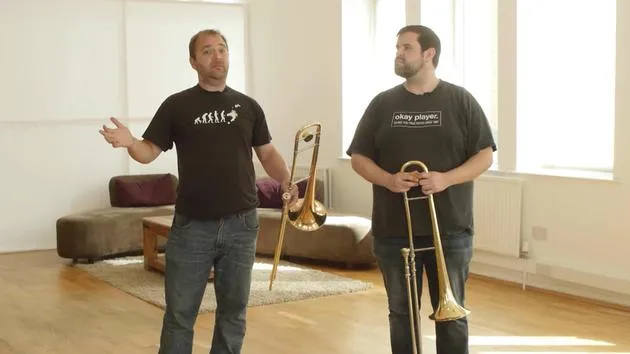
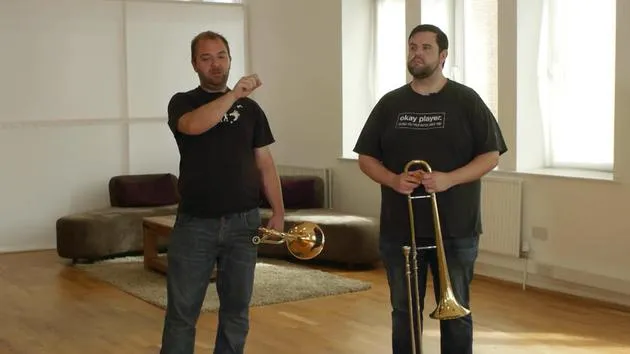
Hi, I'm Zach. This is Tony. You're playing Youngblood together. We're the Juggernauts. Today, we're going to talk about:
- Sound and projection
- Soloing
- The function of the saxophone in our band
Projection
Importance of Projection
Projection is a huge thing. If you're playing in a band like this, you're going to want to get yourself a nice microphone. However, there are also things you can do to strengthen your sound.
Practice Tips
Unfortunately, these practices might not be the most exciting, but they are essential. Tony, take it away.
Sculpting Your Sound
Common Issues for Saxophone Players
One of the problems with saxophone players is that they often spend too much time in the practice room:
- Trying to play as fast as they can
- Focusing on cool-sounding licks
This neglects the crucial aspect of sculpting their sound.
Playing Loudly in a Band
If you play in a brass band, you must learn to play loud. One of the biggest issues we encounter during clinics and workshops is that Zach and I can rarely hear the saxophone players when they're next to the trombone or trumpet players.
Although we aren't as loud as those instruments, you can definitely do things to strengthen your sound.
Practice Routine
Key Practice Strategies
-
Posture and Core Support
Ensure you have the correct posture and are supporting your sound with your core and abdomen. -
Start with Long Tones
When you practice, the first thing you should focus on is long tones, not jazz licks. Spend 10 to 20 minutes daily on long tones to be heard over the band.- For example, start from the bottom of the horn:
- Play the low B flat and slur into the B for four counts.
- Take a breath and repeat, aiming for perfection.
Use a metronome set at around 50 or 60 beats per minute.
- For example, start from the bottom of the horn:
Range Practice
Continue this exercise through the entire range of the horn. It may feel boring, but it will enhance your projection and focus on your sound.
Scales and Focus
When practicing scales, do them slowly to focus on the sound you're producing.
Finding Your Unique Sound
When you consistently practice these techniques, you'll eventually find your distinct sound. This unique sound will be recognizable when you solo.
Sculpting Your Tone
Work on Partials
Think about sculpting your tone, much like a brass player.
- Different exercises exist for this purpose, and you can find various techniques in literature.
- A simple exercise I suggest is to start with the low B flat and work through the first three partials.
Conclusion
Daily Consistency
Manipulating overtones of each tone helps in the maturity of your sound. As Zach mentioned, consistently working on this every day will sculpt your individual sound.
Keep practicing, and you'll have a beautiful, strong projection in no time!
20 lessons
3h 4m of structured video lessons
Advanced video features
Slow down, loop a passage, follow along
Mobile, tablet & desktop
Practise wherever you are
100% satisfaction guarantee
30-day money-back guarantee
Meet your guru

Meet your guru
Youngblood Brass Band fuse uncompromising New Orleans brass with hip-hop energy and lyricism. Drawn from Madison, Brooklyn, Minneapolis and Chicago, the ten-piece has toured the world since 2000 and collaborated with the likes of Questlove and Talib Kweli. They are equally at home leading a marching band through their own compositions and headlining a punk festival. On MusicGurus they break down their New Orleans-meets-hip-hop sound - how they compose and arrange for horns, the rhythmic and harmonic vocabulary that ties it together, and how to play a horn line as part of a tight section, including the full parts to their tune 'Brooklyn'.







